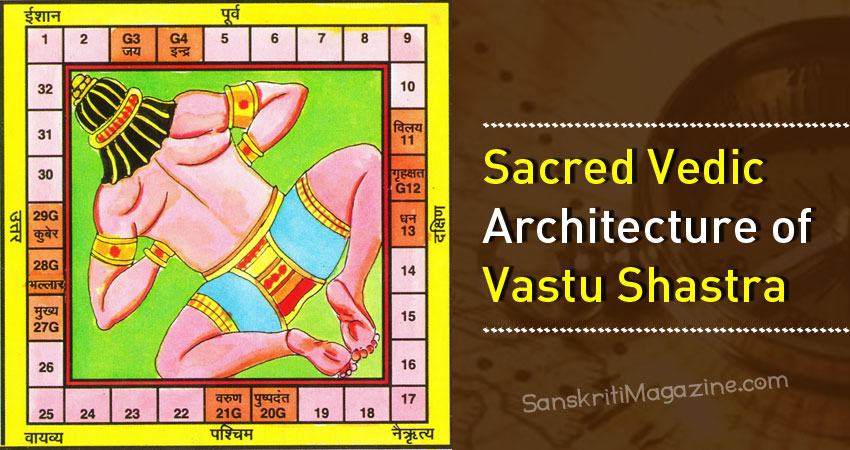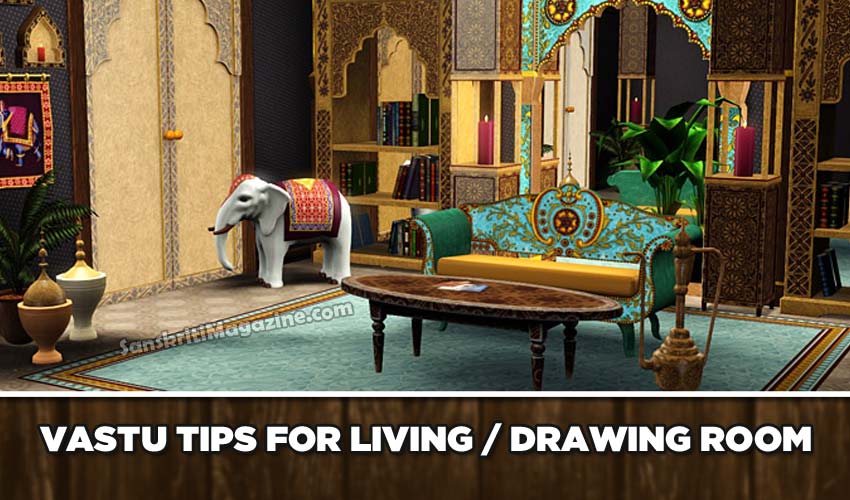
The drawing / living room is an important component of the house, which makes the house favourable or unfavourable for residence. It is that part of the house where the members spend a lot of time and which is also used to entertain guests.
Drawing Room Dictates Your Destiny
The living room is always the center of the house and each one of us wants to decorate it in the best possible manner. But it is not just about decor and style; the room has to give a warm and comfort feel as well. Therefore, it is extremely important to do a careful setting of your drawing room, so that it exudes positive energy and fosters healthy relationships.
Here are some valuable vastu tips to plan your drawing room in the best way possible. Follow the advice given to keep your drawing room a positive and happy place.
Locating the drawing room
Let us see how directions influence the location of the drawing room:
- North-west location:
The north-west quadrant, belonging to the element of air, is an ideal location for the drawing room, that is, if you want to avoid late night parties, get-togethers, etc. This quadrant indicates movement and makes guests restless, encouraging them to leave. - North-east location:
This makes the drawing room a storehouse of positive energy and bestows the users with serenity and mental peace. - Northern location:
This quadrant of wealth and health adds a congenial ambience to the room and infuses it with positive vibrations. - South-west location:
This attracts guests like flies to sugar! Since this corner makes one feel quite at home, the guests may become pests. However, this quadrant is favourable for the occupants.
Drawing room entrance
The main entrance of the house is usually through the drawing room. When locating the entrance, ensure that there is more space towards the right. The direction of the main entrance is significant. Let us see how:
- North or east entrance:
Bestows health, wealth, prosperity and fame. - South, north-east or south-east entrance:
Indicates success, but through hard work. - West entrance:
Ideal for scholars, as it bestows a calming influence. - North-west entrance:
Indicates development in all spheres. - South-west entrance:
Considered inauspicious. Its negative influence can be countered by shifting the entrance towards the west.
General tips for the drawing room
- Never have beam or girder running along the ceiling of the drawing room, since sitting under one causes mental turmoil and stress.
- Colour the walls with either white or light green as this promotes a sense of togetherness and affection between the guests and occupants. Do not use dark shades except on the east wall.
- Use light curtains on the windows and doors in the north-east wall and heavy curtains for the south-west wall of the drawing room.
- Keep some space in the north-east corner of the drawing room. Ensure that it remains clean and clutter-free. Enhance the tranquility of this space by placing a few potted plants.
- Keep some space in the north-east corner of the drawing room. Ensure that it remains clean and clutter-free. Enhance the tranquility of this space by placing a few potted plants.
- Place television and air conditioner in the south-east or the agni corner.
- To generate positive energy and elevate the mood, display paintings depicting beauty of nature or scenery that adds tranquility to the room. Avoid disturbing pictures of war, wild animals, horror, etc. and even those of the deceased family members.
- Never display artificial flowers as it is deemed inauspicious. Even dried flowers attract misfortune as they represent the autumn season. Also, never keep cacti or bonsai as they have a negative impact on the careers and financial prospects of the occupants.
- Never display artificial flowers as it is deemed inauspicious. Even dried flowers attract misfortune as they represent the autumn season. Also, never keep cacti or bonsai as they have a negative impact on the careers and financial prospects of the occupants.
- Hang heavy chandelier in the south or west of the room. Avoid hanging it in the exact centre (Brahmsthan). The drawing room should be lit brightly.
- Seat the guests in the north-west portion of the room. This quadrant of air and movement ensures that they do not overstay their welcome!
- The head of the family should always occupy the south-west quadrant, facing either east or north. This ensures his remaining in command and prevents guests from dominating
~ Dr. Prem Kumar Sharma, resident astrologer of Hindustan Times and Vastu consultant, has authored many books including ‘A Comprehensive Book on Vastu’ and ‘Cultivate Your Relationship the Vastu Way’.