Measuring Spiritual Growth
Shakespeare echoed the central theme of the Upanishads when he said in ‘As You Like It’ – “All the world’s a stage, / And all

Shakespeare echoed the central theme of the Upanishads when he said in ‘As You Like It’ – “All the world’s a stage, / And all
Are not national boundaries, economic disparity and religious dogma dividing us into different camps, creating nonspiritual environments? National boundaries and so forth are impairing the
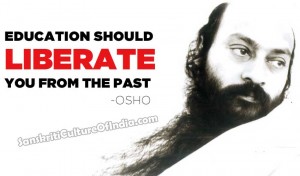
Education is a process of liberation, but it has not been actualized anywhere in the world. Liberation means liberating the mind from the past, from theologies and political
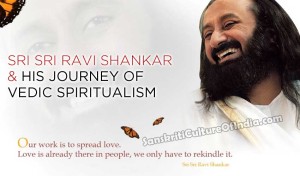
Sri Sri Ravi Shankar was an exceptionally precocious adolescent, who showed early a keen interest for the spiritual world. He completed his degree in science

[hr] Long ago there lived a philosopher in India by the name of Charvak (lit., one whose speech is very enticing). Charvak propounded a philosophy
Show your gratitude through actions rather than words, says OSHO. Once a disciple expressed her gratitude to Osho in these words: “Soaking up everything that


Bhadrapada begins today in North India, opening a lunar month that moves from the midnight

The 12 Jyotirlingas of Lord Shiva — where each stands, its sacred story, and how to make the Dwadasha Jyotirlinga pilgrimage in person or in spirit this Shravan.

The Rudrabhishek is the abhishekam said to please Lord Shiva fastest. What it is, the meaning of each sacred substance, the Sri Rudram, and how it is performed at home this Shravan.

Shravan runs July 30–Aug 27 in 2026, with four Sawan Somwars (Aug 3, 10, 17, 24). Why the whole month belongs to Mahadeva — the churning of the ocean, the poison He drank, and how to keep the Sawan vrat.

Thiruvonam 2026 falls on Wednesday, August 26 — the crown of Kerala’s ten-day festival. The Bhagavata story of King Mahabali and the Vamana avatar, and why Onam is a homecoming, not a defeat.

