Show your gratitude through actions rather than words, says OSHO.
Once a disciple expressed her gratitude to Osho in these words: “Soaking up everything that you give to us, being totally overwhelmed by your grace and your beauty — when feeling your compassion, tears come to my eyes.”
It does not matter how you are going to express your gratitude. Your experience of silence and meditation, of love and joy, of dancing in blissfulness, is more than any gratitude can be.
Gratitude cannot be expressed through words. It can be expressed only through your whole being — your eyes, your hands, your breathing, your heart; it overwhelms you completely. And it is not possible to put it into words, so don’t try that.
Energy Circle
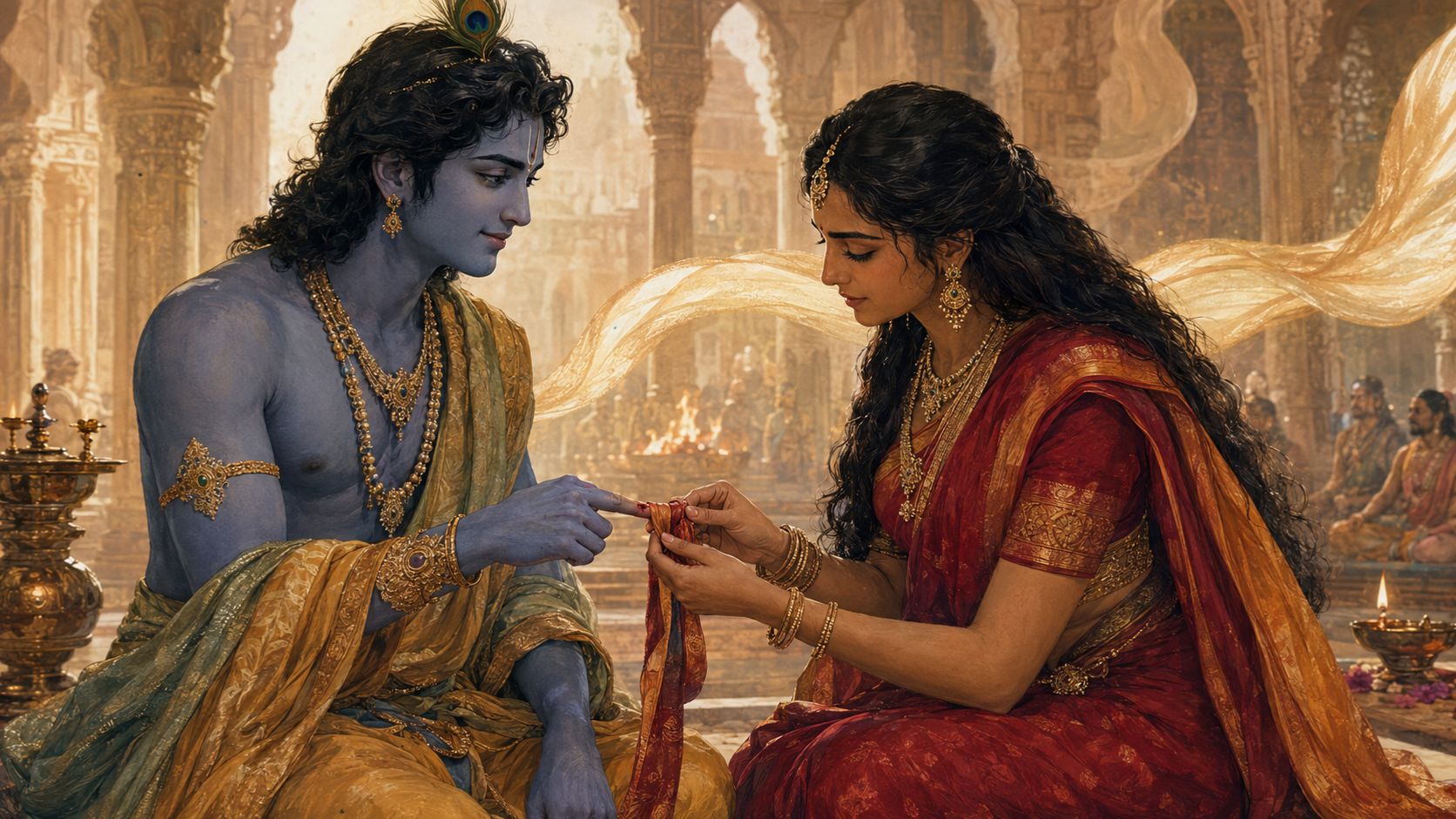
Nobody has ever been successful in showing his gratitude in words. That’s why, in the east, we have discovered different ways of showing it — the disciple touches the feet of the master. The west cannot understand it. All human beings are equal — then why should someone touch the feet? They have not discovered many things.
When the disciple touches the feet of the master, the master touches his head and a circle of energy is created; and that circle is gratitude. Just your being present in deep silence is enough.
Neither the grace is mine, nor the beauty. It all belongs — just as flowers and birds belong — to existence. Do not confine them into a cage. Let your experience of my grace and beauty become your experience of the grace of trees and mountains and the beauty of sunrise and sunset. Spread it all over the world. And without your being alert, it is spreading; hence, tears come to your eyes.
People ordinarily think that tears come to the eyes when you are suffering, when there is pain. Their understanding is absolutely wrong. Tears come to people when they are in pain, when somebody dies; but they have known only one side of tears. The other side is reserved only for those few whose experience of love, grace and beauty — whose ecstasy, is so overwhelming that it cannot be expressed in any other way. Tears are the most subtle expression.
Your eyes are full of tears, a silent expression of overflowing joy. Tears express any experience that is overwhelming — whether it is pain or blissfulness, whether it is agony or ecstasy.
It is unfortunate that millions of people never know the higher and the greater side of tears. They know only the lower, the very superficial
It is unfortunate that millions of people never know the higher and the greater side of tears. They know only the lower, the very superficial, the ordinary. In their minds, slowly, slowly tears become associated with pain and misery and anguish and anxiety, and they remain unaware that tears can also become an expression of overwhelming blessings. And unless you have known your tears as overwhelming blessings and benediction, you have missed the most beautiful experience of life. Tears are a kind of language — silent.
They don’t come from your head; they come from your heart. It is the heart which is flooded and cannot contain the experience anymore and finds language impotent, inadequate. Then, suddenly the heart remembers it has got a language which does not speak, but still expresses.Tears of joy are the language of the heart.
~ The Rebellious Spirit, courtesy: Osho International Foundation