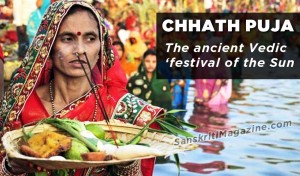
Chhath Puja: The ancient Vedic festival of the Sun
Chhath Puja is an ancient Hindu festival and the only Vedic Festival dedicated to the Hindu Sun God, Surya, also known as Surya Shashti. The puja

Chhath Puja is an ancient Hindu festival and the only Vedic Festival dedicated to the Hindu Sun God, Surya, also known as Surya Shashti. The puja

The Yoga Vasistha is a popular text on Non-dual God, Ancient in form and philosophical in content. It is also known by other names like Knowledge

Nowhere is the bond of brotherly-sisterly love glorified with such grandeur as in India. Hindus celebrate this special relationship twice every year, with the festivals

Why do we celebrate Diwali? It’s not just the festive mood in the air that makes you happy, or just that it’s a good time

Kartik (Oct-Nov) on the thirteenth day of the dark fortnight. This auspicious day is celebrated two days before the festival of lights, Diwali. How to
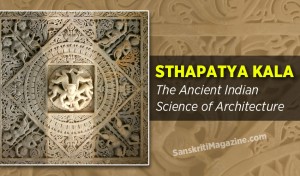
The Science of Architecture and Civil Construction was known in Ancient India as Sthapatya-Shastra. The word Sthapatya is derived from the root word Sthapana i.e.


Bhadrapada begins today in North India, opening a lunar month that moves from the midnight

The 12 Jyotirlingas of Lord Shiva — where each stands, its sacred story, and how to make the Dwadasha Jyotirlinga pilgrimage in person or in spirit this Shravan.

The Rudrabhishek is the abhishekam said to please Lord Shiva fastest. What it is, the meaning of each sacred substance, the Sri Rudram, and how it is performed at home this Shravan.

Shravan runs July 30–Aug 27 in 2026, with four Sawan Somwars (Aug 3, 10, 17, 24). Why the whole month belongs to Mahadeva — the churning of the ocean, the poison He drank, and how to keep the Sawan vrat.

Thiruvonam 2026 falls on Wednesday, August 26 — the crown of Kerala’s ten-day festival. The Bhagavata story of King Mahabali and the Vamana avatar, and why Onam is a homecoming, not a defeat.

