
Gavi Gangadhareswara Temple, renowned for Winter Solstice solar alignment phenomenon
Gavi Gangadhareshwara Temple is a famous ancient cave temple located in Hulimavu, Bannerghatta Road in Bangalore, Karnataka, India. The temple is renowned due to a

Gavi Gangadhareshwara Temple is a famous ancient cave temple located in Hulimavu, Bannerghatta Road in Bangalore, Karnataka, India. The temple is renowned due to a

In the early part of the 9th century, when Adi Shankaracharya was wandering in the southern part of the India, he happened to pass through

Ashwathama was the son of Dronacharya, teacher of Kauravas and Pandavas in the Dwapar Yuga (the third age of the four ages, Sat, Treta, Dwapar
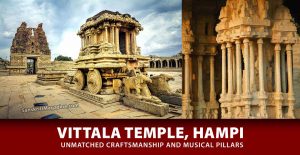
The Vittala Temple or Vitthala Temple in Hampi is an ancient monument that is well-known for its exceptional architecture and unmatched craftsmanship. It is considered
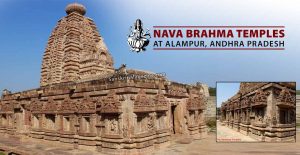
At Alampur, in the Mahbubnagar district of Telangana, is an ancient temple complex known as Navabrahmeshwara Theertha, or the Nava Brahmas (nine shrines). Built in

By Stephen Knapp In ancient Vedic lore, Africa was known as KushaDeep, or Kushadvipa. Two reasons for this is because large stretches of land were


Bhadrapada begins today in North India, opening a lunar month that moves from the midnight

The 12 Jyotirlingas of Lord Shiva — where each stands, its sacred story, and how to make the Dwadasha Jyotirlinga pilgrimage in person or in spirit this Shravan.

The Rudrabhishek is the abhishekam said to please Lord Shiva fastest. What it is, the meaning of each sacred substance, the Sri Rudram, and how it is performed at home this Shravan.

Shravan runs July 30–Aug 27 in 2026, with four Sawan Somwars (Aug 3, 10, 17, 24). Why the whole month belongs to Mahadeva — the churning of the ocean, the poison He drank, and how to keep the Sawan vrat.

Thiruvonam 2026 falls on Wednesday, August 26 — the crown of Kerala’s ten-day festival. The Bhagavata story of King Mahabali and the Vamana avatar, and why Onam is a homecoming, not a defeat.

