IndianSanskriti
Sultan Ghari Tomb: India's first Islamic Mausoleum was an ancient Hindu Temple

Sultan Ghari Tomb: India’s first Islamic Mausoleum was an ancient Hindu Temple

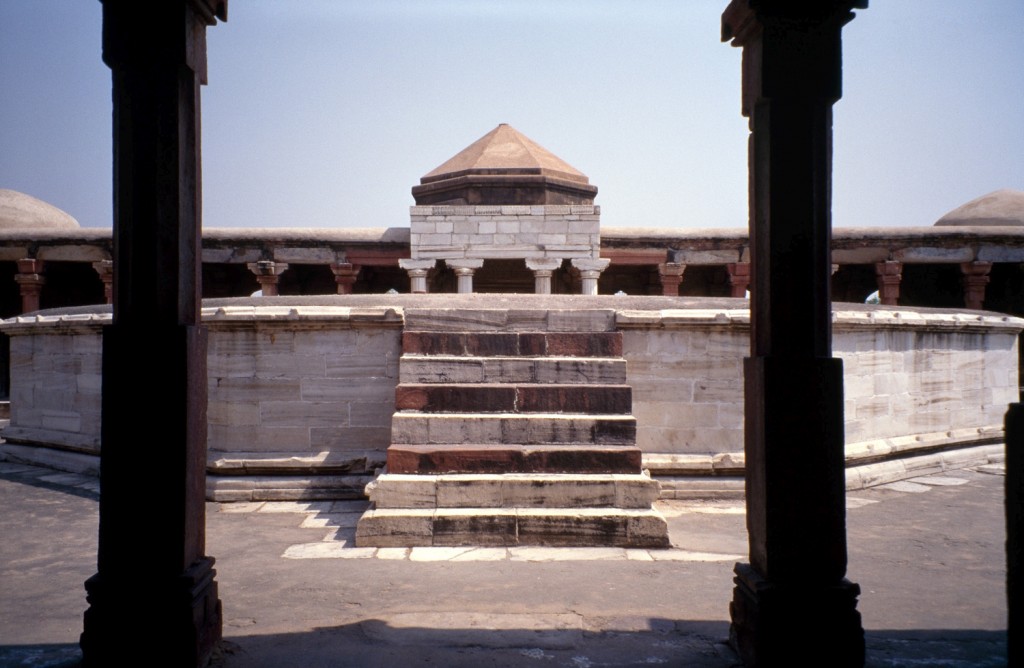
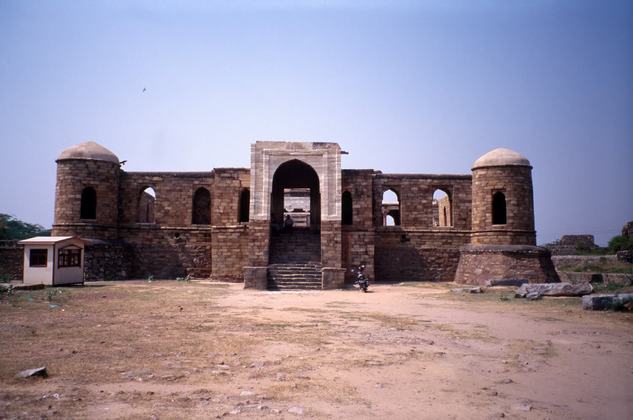
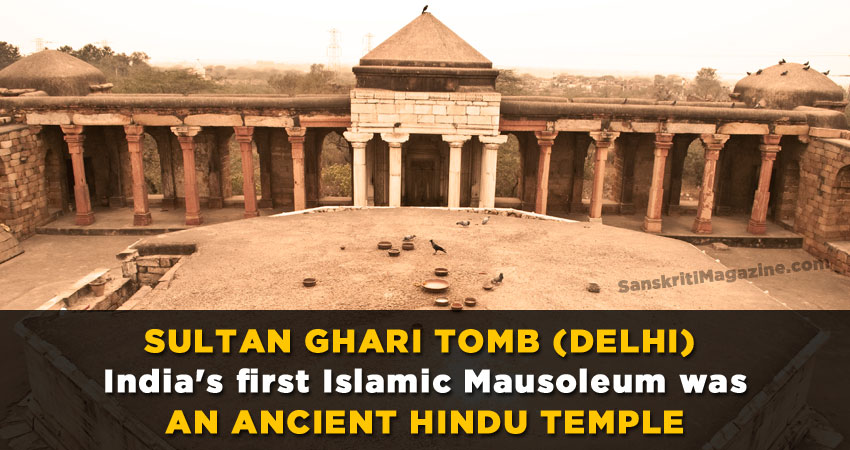
About 6 km west of Qutab Minar in Delhi, there lies a tomb called Sultan Ghari which is believed to be the final resting place of Prince Nasir’ud-Din Mahmud, the uncrowned eldest son of Sultan Shamsuddin Iltutmish of the Slave Dynasty built in 1231 AD.  It was the first Islamic Mausoleum built in India.  

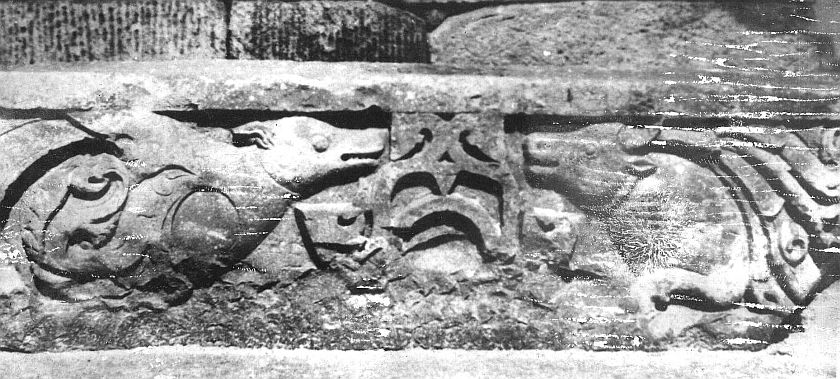
However, engraved symbols of animals, Shiva Linga and the Sanskrit inscriptions on ceiling tell a different tale altogether.  The beams of the octagonal crypt bear figures of Kamadhenu, the celestial cow and Varaha, the wild boar reincarnation of Lord Vishnu.  These two animals were a royal Hindu insignia and considering the ideology of Islam against idols and the immense hatred towards pigs, it is very unlikely that such statues would adorn the inside of a Muslim tomb.

Iltutmish invaded eastern part of India in 1225 AD which resulted in signing of a treaty between him and Iwaz Khalji, the ruler of Eastern India.  After a few successive battles, Prince Nasiru’d-Din Mahmud was appointed governor of Lakhnauti province who later merged the province of Oudh with Bengal and Bihar, gaining him the title of “Malik-us-Sharq” (King of the East) by his father.

The Prince was killed in 1229 AD after a very short rule of 18 months.  Grieved by the death of his favourite son, Iltutmish commissioned the Sultan Ghari Tomb.  After Iltutmish’s death in 1236, his daughter, Razia Sultana ruled the kingdom until her defeat and death in 1240 AD.

While ASI is pretty much silent on this matter, historians and archaeologists justify these carvings as new buildings being fashioned out of the debris of some Hindu buildings or that the workmen may have been Hindus and would have built the tomb in Hindu style.  Their arguments in favour of the tomb fail here because no building worth its name can be build out of old debris and no workman would even dare to fashion a building for which he is hired according to his taste rather than that of the owner’s. 

The building is also of an octagonal shape which is another Hindu speciality. 

Due to indifference or perhaps purposeful negligence by the government and ASI, we may never know the reality and history of this ancient Hindu temple. 
Sultan Ghari

Sultan Ghari

Sultan Ghari

You may also like

Search the website

Like us on Facebook

Get daily updates via Email

Enter your email address:

Recent Posts

Purushottam Maas — The Month No Deity Would Claim, and the Lord Who Made It Supreme

Every month of the Hindu calendar has a lord — except the rare thirteenth, the Adhika Maas, born an orphan and shunned as the “impure month.” The Puranas tell how this rejected month went in grief to Bhagavan Vishnu, who claimed it, gave it His own name — Purushottam — and made it the most fruitful month of all. The origin story, the teaching, and what it means for Purushottam Maas 2026 (May 17 – June 14).

Padmini Ekadashi 2026 — The Ekadashi Even the Devas Descend to Keep

Padmini Ekadashi 2026 — The Ekadashi Even the Devas Descend to Keep

The rarest Ekadashi of the entire Hindu calendar is three days away. The Padma Purana preserves a conversation between Bhagavan Krishna and Yudhishthira about a single Ekadashi the great Rishis spend lifetimes waiting for — Padmini. The Vrat Katha of Queen Padmini of Mahishmati, the lotus teaching, and why May 27, 2026 is the morning Vaishnavas across Bharata are preparing for.

Varada Chaturthi 2026 — The Rare Ganesha Day of Purushottam Maas

Varada Chaturthi 2026 — The Rare Ganesha Day of Purushottam Maas

Once every 2.5–3 years — when the rare 13th month of Adhika Maas opens — a thirteenth Vinayaka Chaturthi appears. The Mudgala Purana calls it Varada Chaturthi, the “boon-giving” Chaturthi, and holds it as the most fruit-bearing Ganesha day of the entire calendar. Today, Wednesday May 20, 2026, is that day.

Padmini Ekadashi 2026 — The Rare Ekadashi That Comes Only in Purushottam Maas

Padmini Ekadashi 2026 — The Rare Ekadashi That Comes Only in Purushottam Maas

Padmini Ekadashi 2026 falls on Wednesday, May 27 — the Shukla Paksha Ekadashi of Adhika Maas, the rarest Ekadashi in the entire Hindu calendar (it appears only every 2.5–3 years). The Padma Purana conversation between Bhagavan Krishna and Yudhishthira, the Vrat Katha of Queen Padmini, complete vrat vidhi with jagrana, mantras, and the lotus symbolism that gives the Ekadashi its name.

Ganga Dussehra 2026 — The Day Maa Ganga Came Down to Bhagiratha

Ganga Dussehra falls on Monday, May 25, 2026 — commemorating the day Maa Ganga descended from Vaikuntha to the earth through the millennia-long tapasya of King Bhagiratha. The full account from the Valmiki Ramayana, snan vidhi, dana traditions, mantras, and the teaching of sustained sincerity.

css.php