IndianSanskriti

Home Remedies for Headaches

Headache can be caused by sinusitis, hypertension, constipation, over working, mental stress, indigestion, acidity, sleeplessness and fever. Often, it is also present as a symptom of another disease. As there are many different potential causes for headache and migraine, the treatment cannot simply be pain relief. Lifestyle and diet needs to be carefully considered and appropriate changes made.

Headache Diet: Vegetables without oil or spices, vegetable and fruit juices and soups are recommended. Fruits like apples and grapes, and some sweets and dairy products can be taken moderately according to digestive capacity. Rice, salad and buttermilk are beneficial. In the morning, take a glass of water mixed with a teaspoon of honey.

Avoid fried food, frozen or cold food, meat, spicy or dry food, tea, coffee, and food that cannot be easily digested. Yogurt should be avoided especially in the evening. Ayurveda also recommends against taking sour or acidic food. Minimize the consumption of pickled or smoked food, alcohol, cheese and chocolates as much as possible.

Home Remedies:

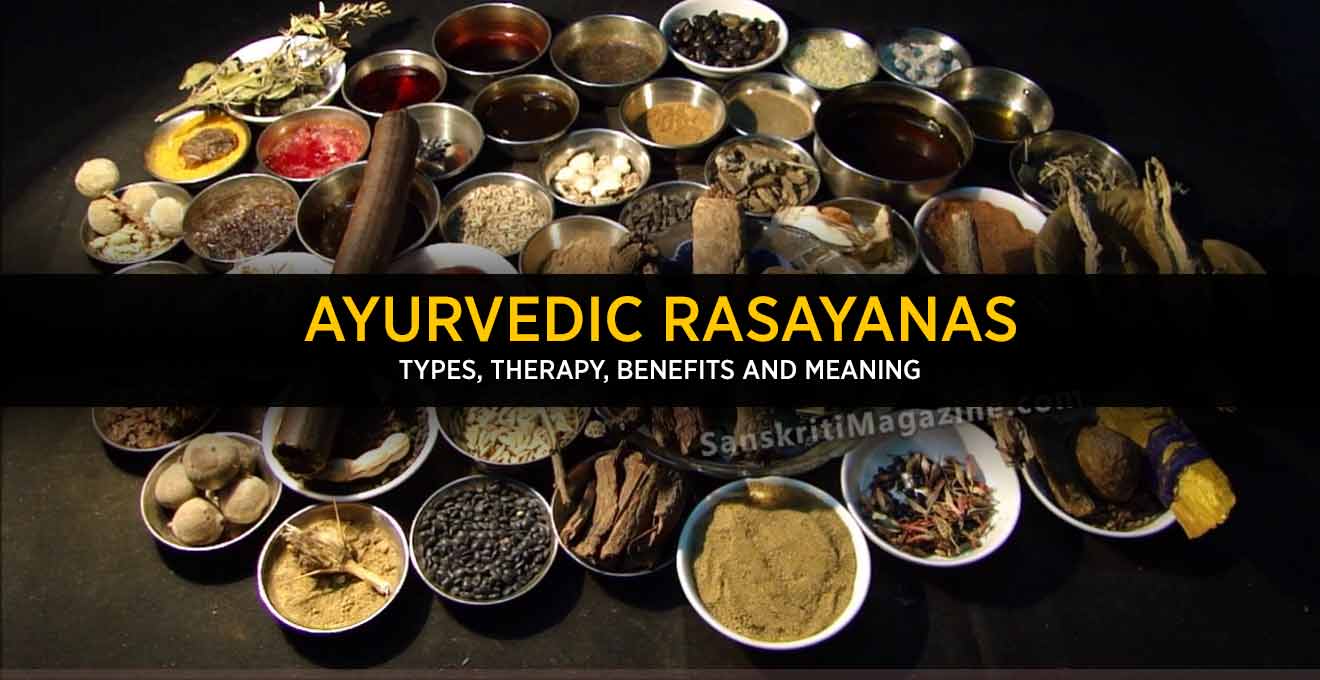
  • Grind dry ginger and make a paste by adding water. Apply this poultice on the temple.
  • Mix 1 teaspoon of clove, cinnamon, and almond powder together. Add a little water to make a paste.
  • Apply this paste on the forehead.
  • Mix a pinch of clove powder in 1 teaspoon of cinnamon oil. Apply this mixture on the forehead or temples.
  • Take I tablespoon of almond oil and boil it. When it cools down, put two drops in each nostril.
  • Take 1 cup warm water and add a green tea bag.  Squeeze ½ a lemon, mix well and drink for instant relief
  • Separate the rind (outer covering) of 2-3 lemons and make a paste out of the rind. Apply on forehead
  • Drink water mixed with honey every morning on an empty stomach
You may also like

Search the website

Like us on Facebook

Get daily updates via Email

Enter your email address:

Recent Posts

Padmini Ekadashi 2026 — The Ekadashi Even the Devas Descend to Keep

Padmini Ekadashi 2026 — The Ekadashi Even the Devas Descend to Keep

The rarest Ekadashi of the entire Hindu calendar is three days away. The Padma Purana preserves a conversation between Bhagavan Krishna and Yudhishthira about a single Ekadashi the great Rishis spend lifetimes waiting for — Padmini. The Vrat Katha of Queen Padmini of Mahishmati, the lotus teaching, and why May 27, 2026 is the morning Vaishnavas across Bharata are preparing for.

Varada Chaturthi 2026 — The Rare Ganesha Day of Purushottam Maas

Varada Chaturthi 2026 — The Rare Ganesha Day of Purushottam Maas

Once every 2.5–3 years — when the rare 13th month of Adhika Maas opens — a thirteenth Vinayaka Chaturthi appears. The Mudgala Purana calls it Varada Chaturthi, the “boon-giving” Chaturthi, and holds it as the most fruit-bearing Ganesha day of the entire calendar. Today, Wednesday May 20, 2026, is that day.

Padmini Ekadashi 2026 — The Rare Ekadashi That Comes Only in Purushottam Maas

Padmini Ekadashi 2026 — The Rare Ekadashi That Comes Only in Purushottam Maas

Padmini Ekadashi 2026 falls on Wednesday, May 27 — the Shukla Paksha Ekadashi of Adhika Maas, the rarest Ekadashi in the entire Hindu calendar (it appears only every 2.5–3 years). The Padma Purana conversation between Bhagavan Krishna and Yudhishthira, the Vrat Katha of Queen Padmini, complete vrat vidhi with jagrana, mantras, and the lotus symbolism that gives the Ekadashi its name.

Ganga Dussehra 2026 — The Day Maa Ganga Came Down to Bhagiratha

Ganga Dussehra falls on Monday, May 25, 2026 — commemorating the day Maa Ganga descended from Vaikuntha to the earth through the millennia-long tapasya of King Bhagiratha. The full account from the Valmiki Ramayana, snan vidhi, dana traditions, mantras, and the teaching of sustained sincerity.

Adhik Jyeshtha Maas 2026 — The Hidden Month That Belongs to Lord Vishnu

Once every 2.5–3 years, the Hindu calendar opens a quiet thirteenth chamber — the intercalary month Lord Vishnu took for His own. A Puranic look at Adhik Jyeshtha Maas 2026 (May 2–31), the Padma Purana account of how it became Purushottam Maas, and a complete householder’s guide for its closing days.

css.php