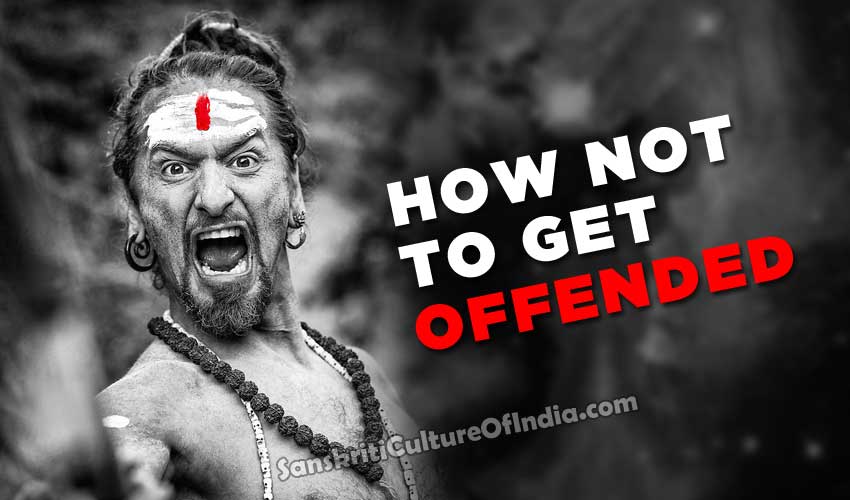
There is an ancient and well-kept secret to happiness which the Great Ones have known for centuries. They rarely talk about it, but they use it all the time, and it is fundamental to good mental health. This secret is called The Fine Art of Not Being Offended. In order to truly be a master of this art, one must be able to see that every statement, action and reaction of another human being is the sum result of their total life experience to date. In other words, the majority of people in our world say and do what they do from their own set of fears, conclusions, defenses and attempts to survive. Most of it, even when aimed directly at us, has nothing to do with us. Usually, it has more to do with all the other times, and in particular the first few times, that this person experienced a similar situation, usually when they were young.
Yes, this is psychodynamic. But let’s face it, we live in a world where psychodynamics are what make the world go around. An individual who wishes to live successfully in the world as a spiritual person really needs to understand that psychology is as spiritual as prayer. In fact, the word psychology literally means the study of the soul.
All of that said, almost nothing is personal. Even with our closest loved ones, our beloved partners, our children and our friends. We are all swimming in the projections and filters of each other’s life experiences and often we are just the stand-ins, the chess pieces of life to which our loved ones have their own built-in reactions. This is not to dehumanize life or take away the intimacy from our relationships, but mainly for us to know that almost every time we get offended, we are actually just in a misunderstanding. A true embodiment of this idea actually allows for more intimacy and less suffering throughout all of our relationships. When we know that we are just the one who happens to be standing in the right place at the right psychodynamic time for someone to say or do what they are doing—we don’t have to take life personally. If it weren’t us, it would likely be someone else.
This frees us to be a little more detached from the reactions of people around us. How often do we react to a statement of another by being offended rather than seeing that the other might actually be hurting? In fact, every time we get offended, it is actually an opportunity to extend kindness to one who may be suffering—even if they themselves do not appear that way on the surface. All anger, all acting out, all harshness, all criticism, is in truth a form of suffering. When we provide no Velcro for it to stick, something changes in the world. We do not even have to say a thing. In fact, it is usually better not to say a thing. People who are suffering on the inside, but not showing it on the outside, are usually not keen on someone pointing out to them that they are suffering. We do not have to be our loved one’s therapist. We need only understand the situation and move on. In the least, we ourselves experience less suffering and at best, we have a chance to make the world a better place.
This is also not to be confused with allowing ourselves to be hurt, neglected or taken advantage of. True compassion does not allow harm to ourselves either. But when we know that nothing is personal, a magical thing happens. Many of the seeming abusers of the world start to leave our lives. Once we are conscious, so-called abuse can only happen if we believe what the other is saying. When we know nothing is personal, we also do not end up feeling abused. We can say, “Thank you for sharing,” and move on. We are not hooked by what another does or says, since we know it is not about us. When we know that our inherent worth is not determined by what another says, does or believes, we can take the world a little less seriously. And if necessary, we can just walk away without creating more misery for ourselves or having to convince the other person that we are good and worthy people.
The great challenge of our world is to live a life of contentment, regardless of what other people do, say, think or believe. The fine art of not being offended is one of the many skills for being a practical mystic. Though it may take a lifetime of practice, it is truly one of the best kept secrets for living a happy life.
Source: “The Art of Not Being Offended,” by Dr. Shemsi Prinzivalli