Alternative therapeutic practices
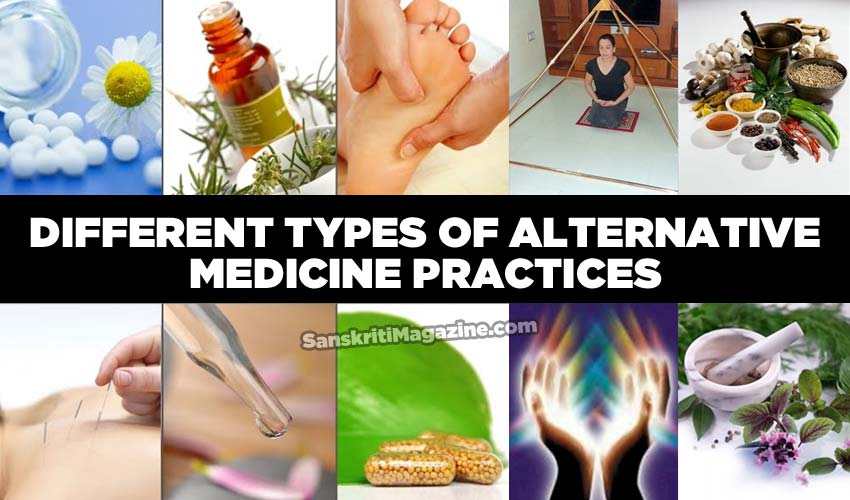
Alternative medicine or alternative therapy is the stream of medicine that exists independently, beyond the domain of conventional medicine. These therapies are called alternative because they may not always be effective or not proved 100% successful. Many of the alternative therapy practices are based on historical or cultural traditions. Alternative medicine is also described as ‘complimentary medicine’ by critics. Traditional medicinal practices are base of some of the alternative medicines, few of them explores the folk knowledge. The effectiveness of alternative medicines is always been discredited by modern medicine as alternative therapies are not evidence-based. Ayurveda, acupuncture, aromatherapy, auricular therapy, cellular therapy, feng shui, homeopathy, pranic healing, reiki, unani, reflexology, pyramid healing etc… are commonly practiced alternative therapies.
Ayurveda
Ayurveda is an ancient therapy originated long back in the Vedic times in India. Rather a medicinal system, it is a wellness practice grounded on a healthy lifestyle. Ayurvedic treatment is based on naturally available ingredients like herbs and minerals. Ayurveda claims to treat the disease itself rather the symptoms. Ayurveda is more over a holistic wellness approach to sound health and long life. Ayurveda believes that the base root of any disease is the distraction to ‘vata’, ‘Pita’ or ‘Kapha’. Ayurveda scripts detail a number of treatment methods for each health problem and also explains the medicinal effect of varieties of herbs.
Acupuncture
Originated in China, Acupuncture has been in practice from the early period of 2 BC. Written documents dated 2 century BC is available in Chinese script. Acupuncture, as the name indicates, is a treatment process of puncturing human body at specific parts with tiny needles. This stream believes that the root cause for a disease is the failure in living in accordance with the ‘Dao’. Acupuncture points are known as ‘qi’. There are several acupuncture points or meridians on human body where practitioners insert needles to fetch cure. Through the insertion of the needles the blood pumping process of the heart is disrupted to cure a particular disease.
Aromatherapy
Aromatherapy is yet another stream of alternative medicine which uses volatile materials from plants to influence the mind of a patient. Infused aromatic oils and plant extractions are used as ingredients of Aromatherapy. Different types of pain, mood disorders, anxiety, short term memory, hair loss etc… are claimed to be treated successfully by Aromatherapy.
Feng Shui
Feng Shui is another Chinese alternative therapy form which believes the rules of both astronomy and geography will help to generate positive energy and thus sound health and wellbeing. Feng Shui teachings implement the idea that all the structures we live in have the necessary powers to influence our health and peace. The necessary rearrangement or the presence of certain objects is said to have positive effects in our lives.
Homeopathy
Homeopathy, though another alternative therapy, is a popular treatment method around the world. Homeopathy is based on the ‘law of similars’, which is neither proved nor accepted by the scientific society. Highly diluted preparations are used as drugs in homeopathy. Homeopathy examines the symptoms as well the psychological condition of the patient. It is to be noted that homeopathic drugs do not function similar to allopathic medicines.
Reiki
Also known as oriental medicine, Reiki is a practice of palm healing. Traditional Japanese Reiki and western Reiki are two branches of Reiki. ‘Do not be angry, do not worry, be grateful, work with diligence, be kind to people; these are the constructing elements of Reiki treatment. The treatment method describes seven major parts of body and their relation with specific points on hand. Reiki uses the instruments of looking, blowing, tapping and touching to heal any disease.
Reflexology
Reflexology is a common practice in modern spas. Reflexology is also known as zone therapy. In this treatment, reflex is created on various body organs with touch at the corresponding points on feet. All the body organs are believed to have connecting or corresponding nerves passing through the feet in reflexology therapy. The feet are divided into 10 parts. Manipulation of these 10 parts is believed to bring in cure from diseases. Again, reflexology is not a proven treatment method.
Pyramid healing
This treatment claims to provide mental, physical and spiritual wellness. Pyramid therapy tries to use the power associated with pyramid shapes. Different types of pyramids with a master crystal at the extreme top are used in this therapy. A person has to sit in meditative posture within the pyramid to absorb the energy formed within the pyramid.
Unani
Unani is an ancient method of therapy originated in India. Some say that Unani has its origin in ancient Greece. Unani treatment is believed to be founded by Hakim Ibn Sina. Unani practitioner diagnoses health problems by analyzing the temperament and evaluating the humors. Blood, phlegm, black bile and yellow bile are known as humors. Humors are believed have capabilities of changing the metabolism of a person. Certain herbs and specially manufactured drugs are used in Unani therapy.