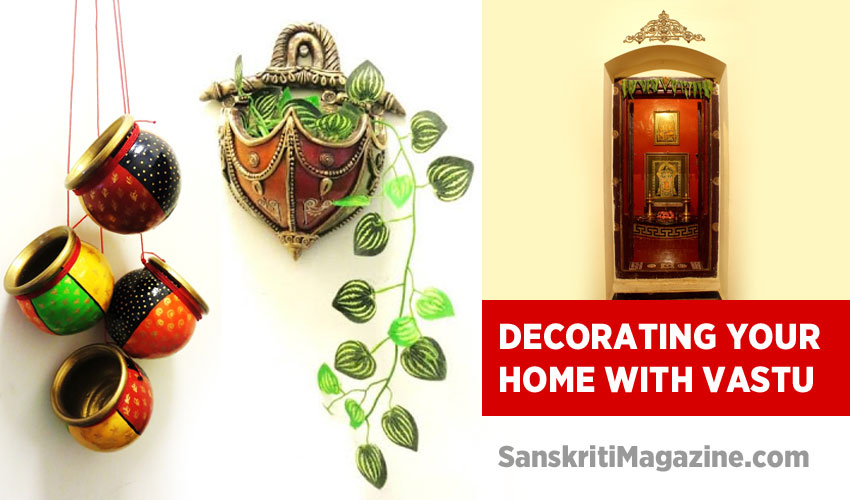
Great importance is given for the decoration of the house with the paintings, idols and especially the main door decoration. The main door was considered very important in ancient days and even today as the people used to think that all the prosperity and money comes from the main door.
Main door decoration: Care should be taken to decorate the main door. The objects of the main door as prescribed in the text are:
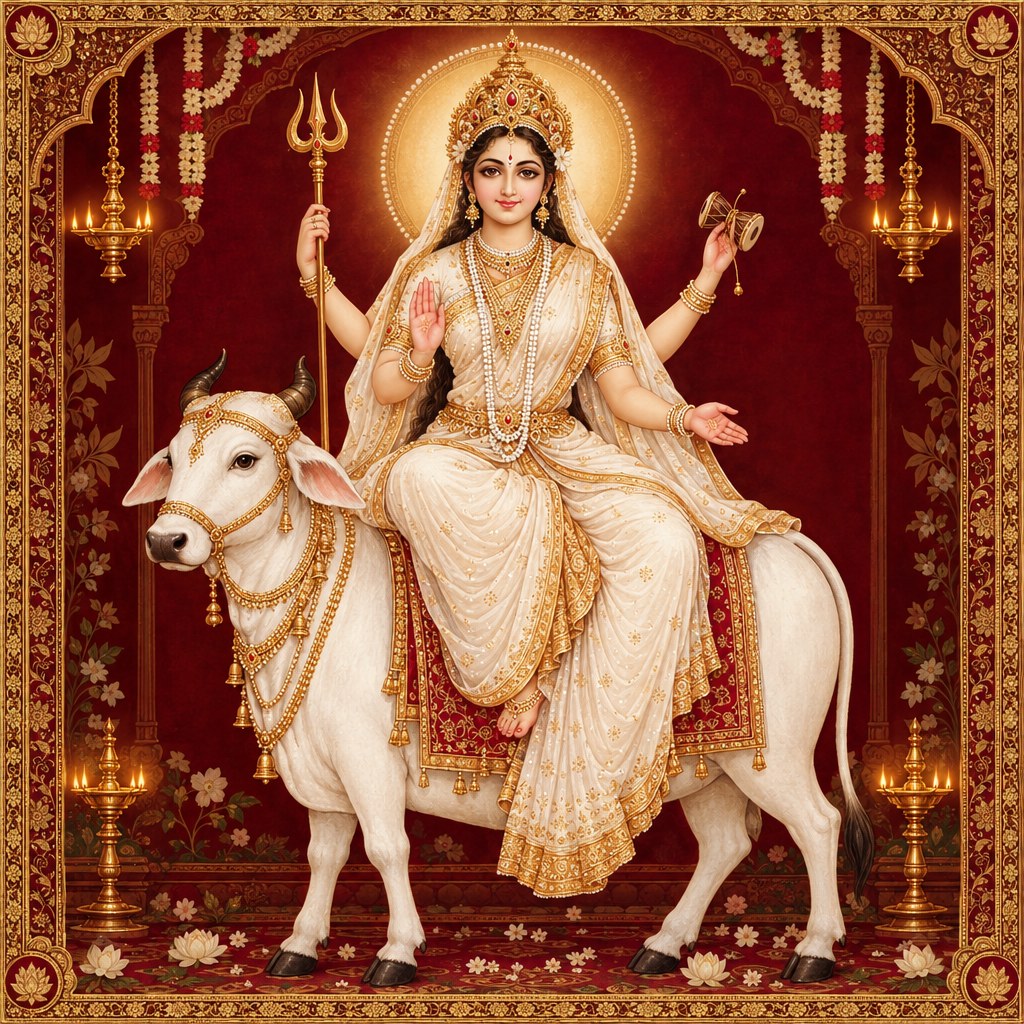
- Kula Devata: The image of the family deity. Its dimension should not be more than one hasta (18″) of length.
- Two Prathiharis (Sentinels or guards): Well decorated in ornaments bearing staff and swords in their hands, well clothed, glowing with youth and beauty, along with lady Prathiharinis and placed on both the sides of the door.
- Dhaatri (a dwarfish nurse): her maid companions should follow it, the happy jesters i.e. Vidhushakas.
- Shanka and Padmanidhi emitting coins.
- The Asthamangala: on the seat of lotus wearing a sacred garland of eight auspicious symbols.
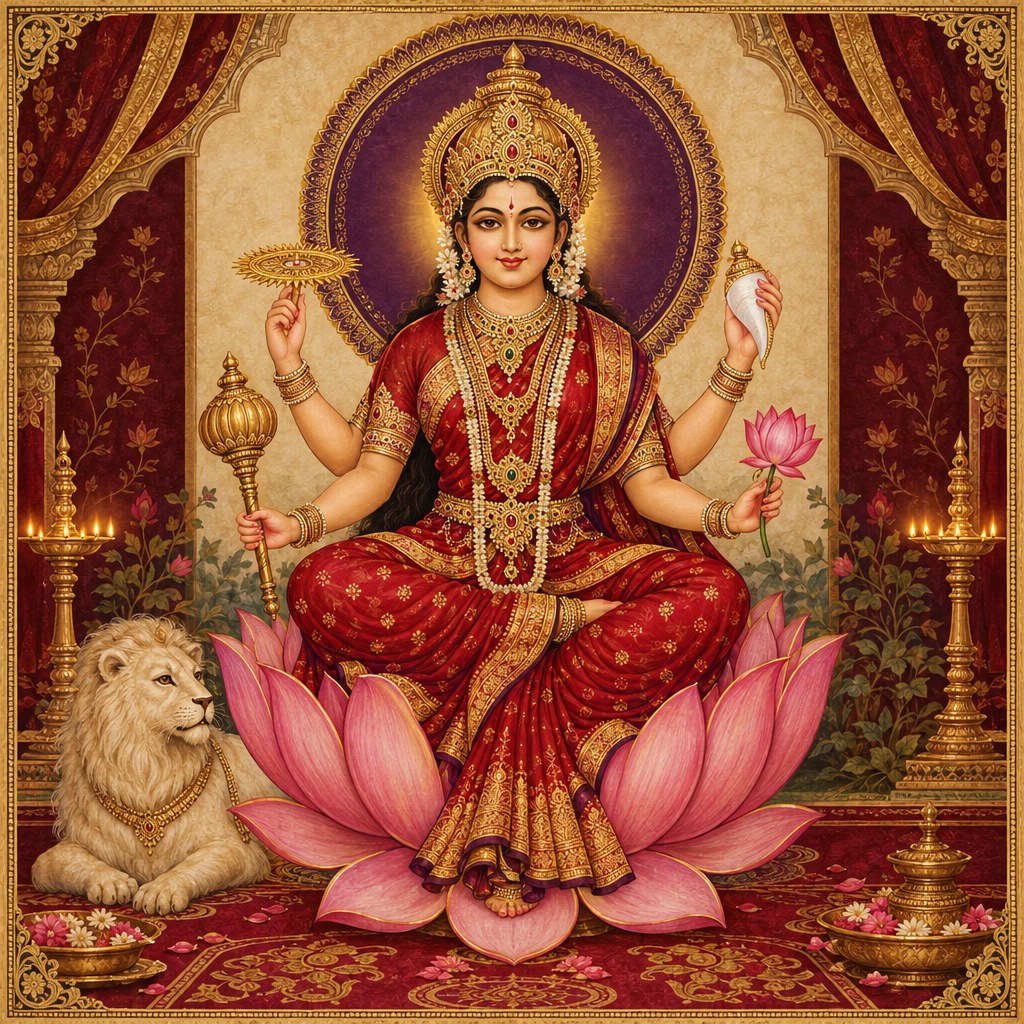
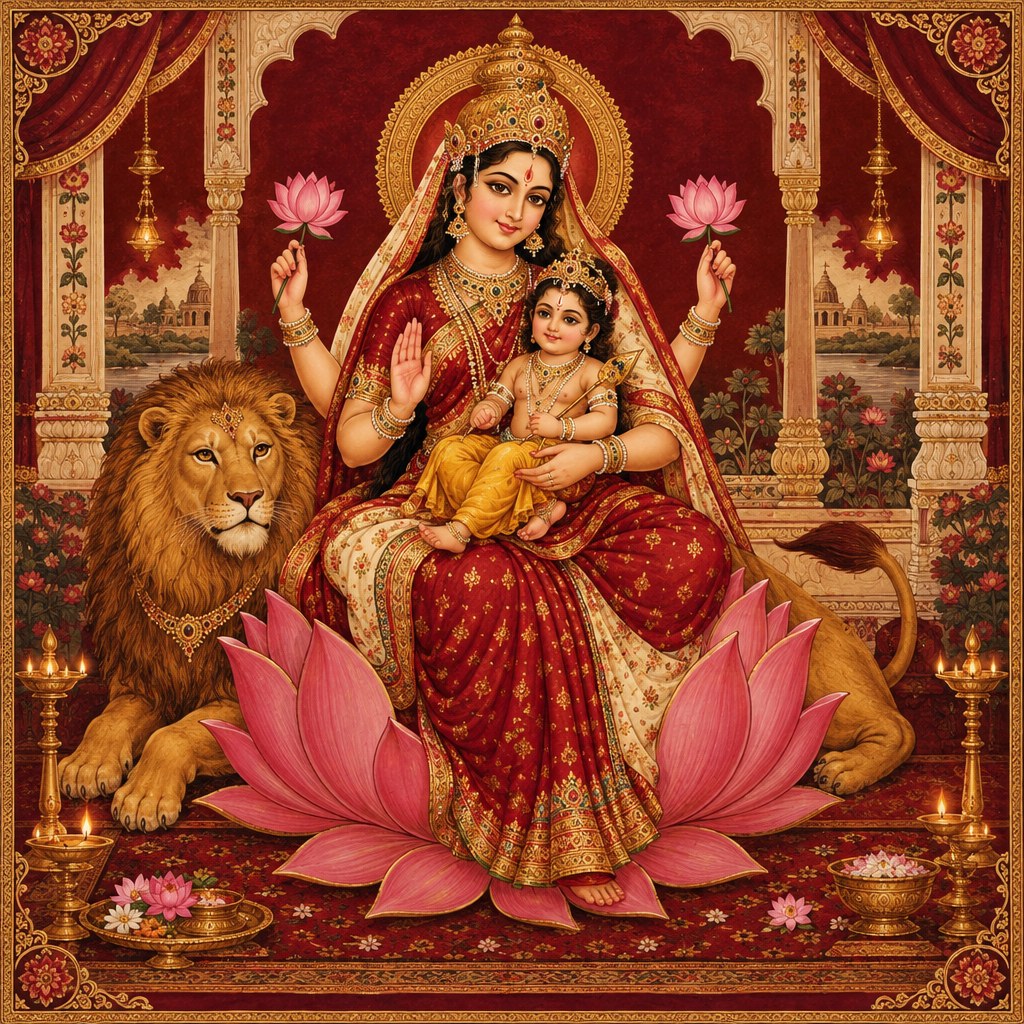
- Lakshmi: lotus seated and well decorated and being bathed by elephants.
- Cow with her calf and well ornamented with flower garlands etc.
- Motifs of serpents, giants, owl, wild animals, elephants, daityas, nudes, fight between God and demons, hunting, house on fire, trees devoid of flowers should not be placed on the main door.
- Nowadays people in their over enthusiasm to decorate the house use figures of Gods like Krishna, Ganesh, Vishnu etc. and also many other prohibited motifs.
The following shlok explains the rules relating the above things:
“Grahe Na Ramayan bhatatha hawan chitram kurupanahvamindra jalikam . Shilocha yaarnyamayam sadhasuram bheeshmam kurutha krindhanaram thvanambaram.
Vaarah shaardhul shiva prudhakavo grudhabi golukapothavayasaa Sashye nagothadhi vakadhi patrino vichitratha no sharane shubhavaha.”
Meaning – To display the following in a house is not good – War scenes from Ramayan and Mahabharata, Fight scenes using swords, Inderjall (magic) scenes, Stone or wooden statues of terrifying giants or demons, Scenes of weeping and crying people in tears. Paintings, potraits, statues: Decorative lights, chandeliers, bookshelf, vases, flower pots and furniture etc. should be meticulously and tastefully selected and placed in appropriate settings so that they look attractive and follow vaastu principles etc.
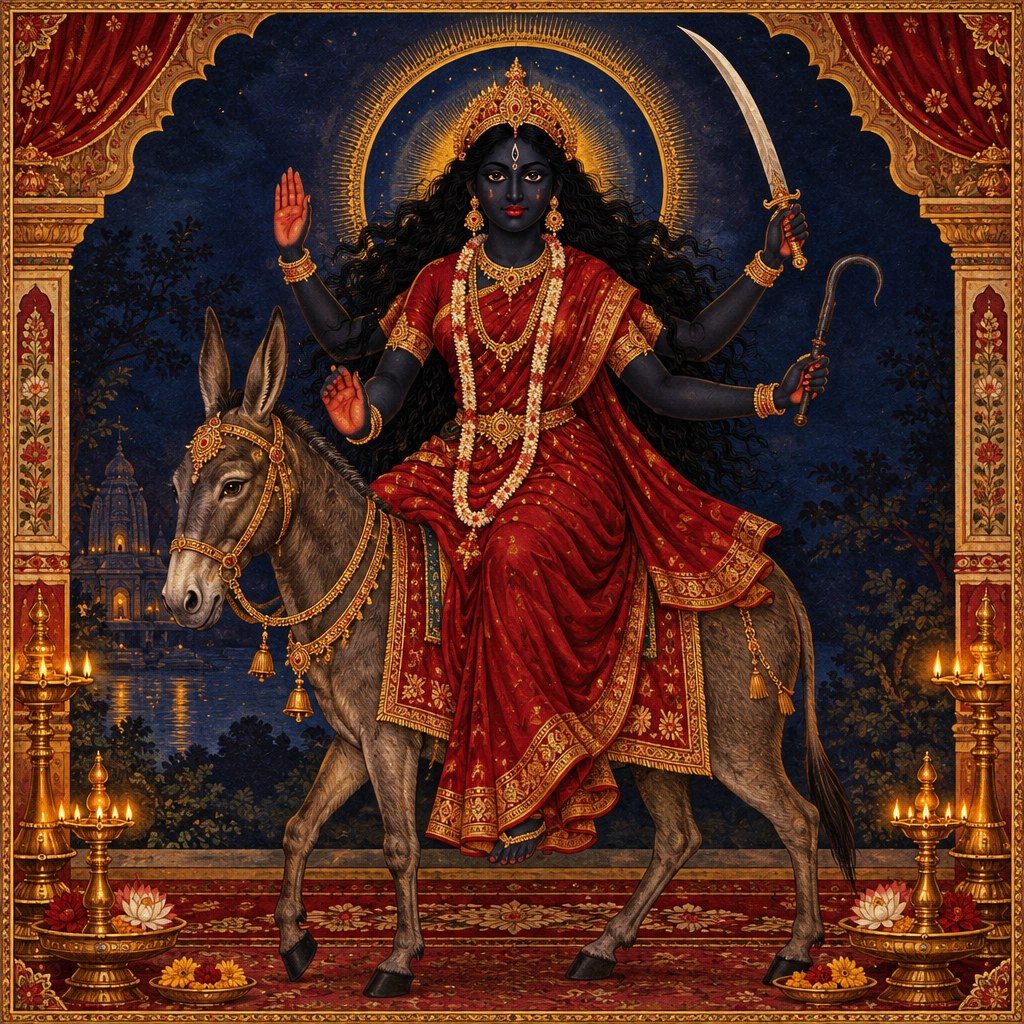
- The pictures, painting or models of the animals like pigs, snake and birds like eagle, owl, crow, pigeons, vultures should not be placed in a house.
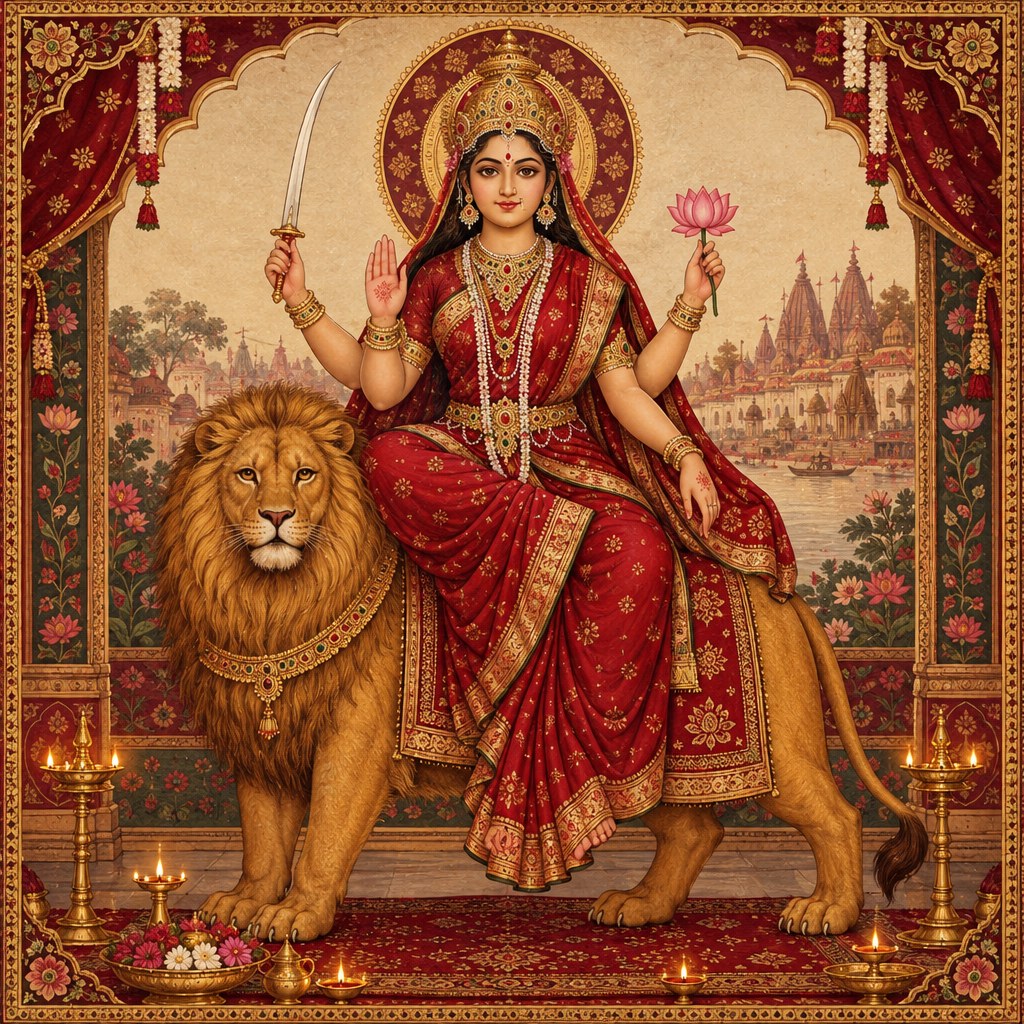
- All pictures or wooden or metal figures of wild beasts like tigers, lions, wolves, bears, jackals, and wild asses, hounds etc. should be avoided.
- The heavy furniture should be placed in the SouthWest side of the room and the light furniture can accommodate in any corner.
- Symbols like Swastik, Om, Rangoli decorations stop the entry of evil spirits and evil influences in the house.
- The photographs of the ancestors should be placed on the southWestern side of the house.
- The clock should be placed on the Eastern, Western or Northern wall.
Installation of Idols in homes and other buildings: A pooja or worship place is a must in a home; it is better to have one in office, factory, schools, colleges and other buildings too. The appropriate place is the north-east corner of the building and if not then the north-east corner of the room in house and central chowk or garden or lawn of other buildings. The deities like Brahma, Vishnu, Maheshwar, Surya, Inder should face east or West and four-headed Brahma, six-headed kartikeya, five faced Shiv can be placed facing any direction. Hanuman ji should face southwest.
Whatever is exhibited should be pleasing to the eyes and mind bringing joy and cheer to those who view them; aesthetic and cultural aspects also should be borne in mind, while selecting decorative pieces or paintings and pictures and placing them in our home.