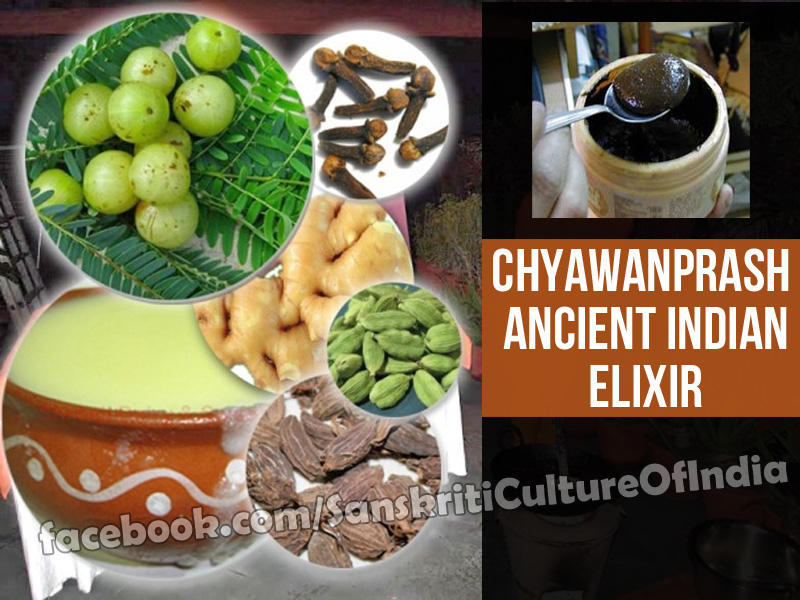
Chyawanprash is the greatest Rasayana. It helps cure infertility, helps grow the fetus in the womb the right way, promotes estrangement of old age, helps old people prolong their lifetime. Chyawanprash cures cough, wheezing, voice loss, chest disease, heart disease, diseases of the genitourinary system, prevents disorders of spermatogenesis (sperm production) and the monthly flow. Chyawanprash is worth eating without mixing it with food. The reason it is called Rasayana is, due to the result of its application, very old man Chyawan gained the second youth. After internal use of this Rasayana, every person regardless of his age will retain his youth, intellect, strong memory, luster, health, acute perception of the world, sexual power, wonderful digestion. An elderly person will also feel young and live one more lifetime.
~ Charaka
Chyawanprash is a comprehensive herbal tonic with multiple health benefits, prepared according to an ancient Ayurvedic formula. Used by people around the world today, and especially in India, it is a proven energizer, immunity booster and pre-emptive tonic.
History, Myth & Origin
It is believed that the formula of Chyawanprash was discovered by the sage Chyawan. He was the first to prepare this tonic, and used it to regain his own youth and longevity. Charak Samhita, the ancient Ayurvedic treatise written by sage Charak in the 4th century BC, contains the first historically documented formula for Chyawanprash. According to this ancient text, Chyawanprash is “the foremost of all ‘rasayanas’ or herbal formulations.
A Proven Recipe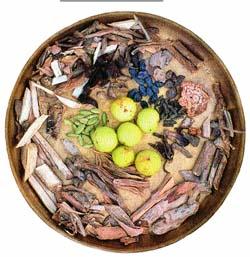
This unique ‘jam’ is a mix of 49 powerful ayurvedic herbs with ‘amla’ (Indian gooseberry) or Emblica officinalis as the base. The other ingredients in this traditional recipe include ashwaganda, pippali, cardamom, nutmeg and cinnamon in a base of clarified butter and honey. This ‘elixir’ is good for all, irrespective of age and gender, and creates a harmonious synergy in the body leading to better metabolism. Here’re some specific health benefits of Chyawanprash.
Digestive and Immune System
Chaywanprash’s basic ingredient amla has 30 times more vitamin C than orange and helps in strengthening the immune system and expediting the healing process. Regular intake of chyawanprash strengthens digestion, absorption and assimilation of food and balances stomach acids.
Heart and Brain
The perfect blend of Ayurvedic herbs acts as a cardiac stimulant and helps in smooth functioning of the heart. Chyawanprash nourishes the brain cells by supporting the nervous system and enhances co-ordination and memory power. The tonic is good for students as it increases retention and recall.
Lung, Liver and Kidneys
The smooth functioning of the lungs is facilitated by the regular intake of chyawanprash. Moisture balance is maintained in the lungs and gives new energy to respiratory system. Chyawanprash helps purify blood and invigorates the liver and helps to eliminate toxins. It helps the downward flow of energy in the body and eases constipation. Apart from these, the herbal jam eliminates wastes from the body without overworking the urinary system.
Other Benefits
The holistic traditional formula of chyawanprash improves skin complexion, glow and fights dermal bacterial infection. It promotes hair growth and helps absorption of calcium resulting in strong bones and teeth. It is especially good for alleviating cough and asthma. The anti-oxidant properties of the tonic act against the ageing process and maintain youthfulness. Chyawanprash enhances fertility, keeps menstruation regular and helps to overcome difficulties in conception. It also improves muscle tone by enhancing protein synthesis effectively.
The age-old Chyawanprash is regarded as an all-embracing herbal health tonic by one and all, and has become an indispensable part of a healthy family.
~ Subhamoy Das, with inputs from Manoj Sadasivan
HEALTH BENEFITS OF CHYAWANPRASH:
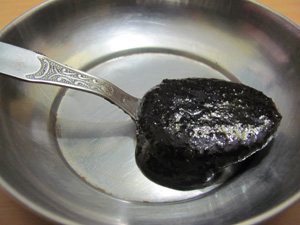 Over forty years old people should take the course of using Chyawanprash once a year in order to cleanse the body, improve the performance of all systems of the organism. Chyawanprash health benefits (action effects):
o Protects against colds and infections.
o Normalizes menstruation, reduces premenstrual syndrome, relieves pain below the abdomen area and in the chest.
o Improves sexual activity.
o Removes toxins by purifying the blood, liver and intestines.
o Enhances the functioning of the gastrointestinal tract.
o Normalizes the endocrine system.
o Improves blood results, increases hemoglobin, and lowers cholesterol level.
o Normalizes blood pressure.
o Activates and strenghtens the immune system, increases the body resistance.
o Eliminates consequences of stress, depression, chronic fatigue syndrome.
o Strengthens hair and nails.
o Effective in the prevention of respiratory diseases.
o Promotes weight loss by normalizing the body’s metabolism.
Recommendations on how to use Chyawanprash:
At the moment of opening the Chyawanprash can, mix the silver layer thoroughly with the contents of the mixture. Take twice a day, in the morning 15 minutes before the first meal and in the evening before bedtime by drinking Chyawanprash with warm milk or warm water.
For adults, the recommended dosage of Chyawanprash is half a teaspoon; for over five years old children – 1/4 tsp; for 1-5 years old children – from 1/6 up to 1/4 tsp once a day. It is best to drink Chyawanprash with milk as it contributes to the delivery of all its components to each cell in the body. The desired minimum duration of using Chyawanprash is 100 days.
Contraindications:
Diabetes mellitus, acute and chronic pyelonephritis, Vitamin C metabolic disorder, phenylketonuria as well as gastritis with sharply high acidity and allergy to honey.