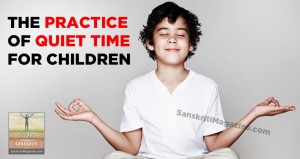
The Practice of Quiet Time for Children
The Need for Silence: In the rush of activities and noise that have become a part of modern living, we often forget the calming effect

The Need for Silence: In the rush of activities and noise that have become a part of modern living, we often forget the calming effect
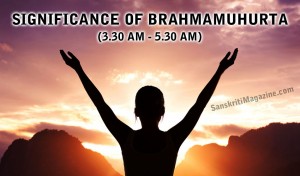
Brahmamuhurta is the morning period between 3.30 a.m. and 5.30 a.m. It is suitable for meditation. After a good night’s sleep, the mind is refreshed,

In a world of sensory overload and school, family and internal pressures, kids need meditation as much as adults. Meditation helps kids develop focus, regulate their own

The word Vipassana means insight into how things actually are. It comes originally from Sanskrit and refers to a form of meditation taught by the

Can we balance our children through relaxation? Some teachers have tried it. Knowing that the child’s capacity for listening is closely related to his physical

Meditation is a great way to clear your mind of the worries and stresses of the day. If you’re not familiar with this method of


Bhadrapada begins today in North India, opening a lunar month that moves from the midnight

The 12 Jyotirlingas of Lord Shiva — where each stands, its sacred story, and how to make the Dwadasha Jyotirlinga pilgrimage in person or in spirit this Shravan.

The Rudrabhishek is the abhishekam said to please Lord Shiva fastest. What it is, the meaning of each sacred substance, the Sri Rudram, and how it is performed at home this Shravan.

Shravan runs July 30–Aug 27 in 2026, with four Sawan Somwars (Aug 3, 10, 17, 24). Why the whole month belongs to Mahadeva — the churning of the ocean, the poison He drank, and how to keep the Sawan vrat.

Thiruvonam 2026 falls on Wednesday, August 26 — the crown of Kerala’s ten-day festival. The Bhagavata story of King Mahabali and the Vamana avatar, and why Onam is a homecoming, not a defeat.

