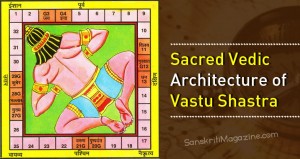
Sacred Vedic Architecture of Vastu Shastra
Adherence to Vastu Shastra, the ancient and medieval canons on city planning and architecture, has suddenly assumed tremendous significance, particularly among the well-educated and affluent

Adherence to Vastu Shastra, the ancient and medieval canons on city planning and architecture, has suddenly assumed tremendous significance, particularly among the well-educated and affluent

The Sulbasutras deal with geometrical constructions, a large majority of them for the purpose of carrying out Vedic rituals at precisely constructed altars and similar
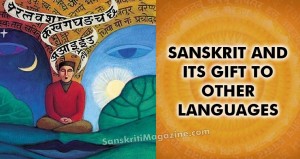
One of the most important languages in the world, Sanskrit has a very rich and continuous known history of nearly five thousand years. The “discovery
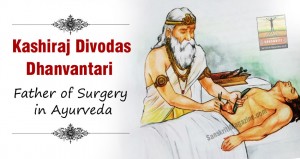
Born in 1000 BCE, Kashiraj Divodas Dhanvantari is hailed as the Father of Surgery in Ayurveda, the oldest and the most holistic medical science in
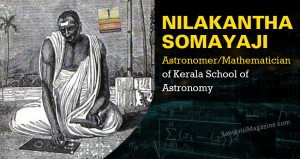
In the 19th century, the prevailing belief among the historians of science was that Mathematics and Astronomy in the Indian subcontinent had gone into hibernation

Modern science credits the atomic theory to an English chemist and physicist named John Dalton (1766-1844). However, not many people are aware that a theory


The 12 Jyotirlingas of Lord Shiva — where each stands, its sacred story, and how to make the Dwadasha Jyotirlinga pilgrimage in person or in spirit this Shravan.

The Rudrabhishek is the abhishekam said to please Lord Shiva fastest. What it is, the meaning of each sacred substance, the Sri Rudram, and how it is performed at home this Shravan.

Shravan runs July 30–Aug 27 in 2026, with four Sawan Somwars (Aug 3, 10, 17, 24). Why the whole month belongs to Mahadeva — the churning of the ocean, the poison He drank, and how to keep the Sawan vrat.

Thiruvonam 2026 falls on Wednesday, August 26 — the crown of Kerala’s ten-day festival. The Bhagavata story of King Mahabali and the Vamana avatar, and why Onam is a homecoming, not a defeat.
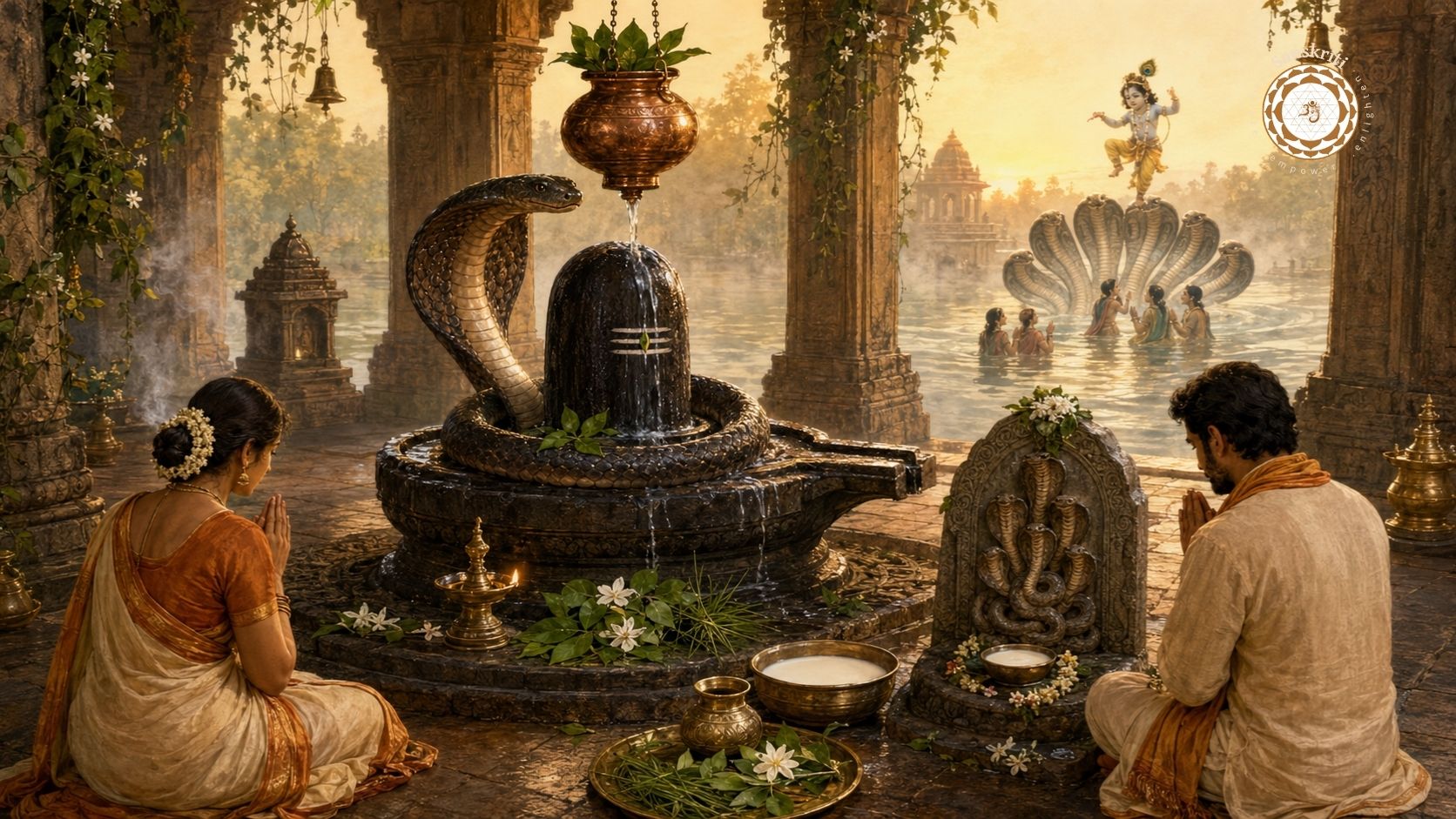
On Monday, August 17, 2026 — a Shravan Monday — Hindus offer milk and prayers to the serpent. The stories of Shesha, Vasuki, Kaliya and Astika, and the puja vidhi for Nag Panchami.

