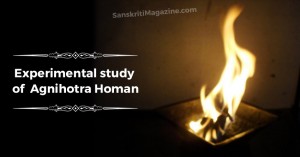
Experimental study of Agnihotra Homan
A Study of Agnihotra yajna effect on environment and plants was performed in New English School, Ramanbaug by Pranay Abhang (Teaching Associate, Institute of Bioinformatics

A Study of Agnihotra yajna effect on environment and plants was performed in New English School, Ramanbaug by Pranay Abhang (Teaching Associate, Institute of Bioinformatics

Long, long time ago, from the sparkling womb of Eternity, rose a profound rhyme. It circled the splendid Heavens spreading a rapture so divine that
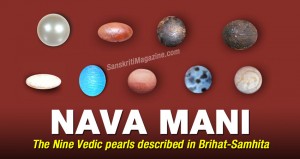
The Nine Pearls, sometimes known as the Nava Moti (or nine gems, or “mani”), are a group of sacred gemstones described in the Vedic text
The Hymns of Dirghatamas in the Rig Veda Some scholars have claimed that the Babylonians invented the zodiac of 360 degrees around 700 BCE, perhaps
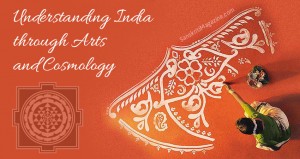
The best way to understand India is through its art and the cosmology. Textbook narratives often overlook the synthesizing principles that represent the grammar of

Ever since discussions were held at the Indian Science Congress (ISC) where India’s contribution to science and technology was acknowledged, certain intellectuals and liberals have


The 12 Jyotirlingas of Lord Shiva — where each stands, its sacred story, and how to make the Dwadasha Jyotirlinga pilgrimage in person or in spirit this Shravan.

The Rudrabhishek is the abhishekam said to please Lord Shiva fastest. What it is, the meaning of each sacred substance, the Sri Rudram, and how it is performed at home this Shravan.

Shravan runs July 30–Aug 27 in 2026, with four Sawan Somwars (Aug 3, 10, 17, 24). Why the whole month belongs to Mahadeva — the churning of the ocean, the poison He drank, and how to keep the Sawan vrat.

Thiruvonam 2026 falls on Wednesday, August 26 — the crown of Kerala’s ten-day festival. The Bhagavata story of King Mahabali and the Vamana avatar, and why Onam is a homecoming, not a defeat.
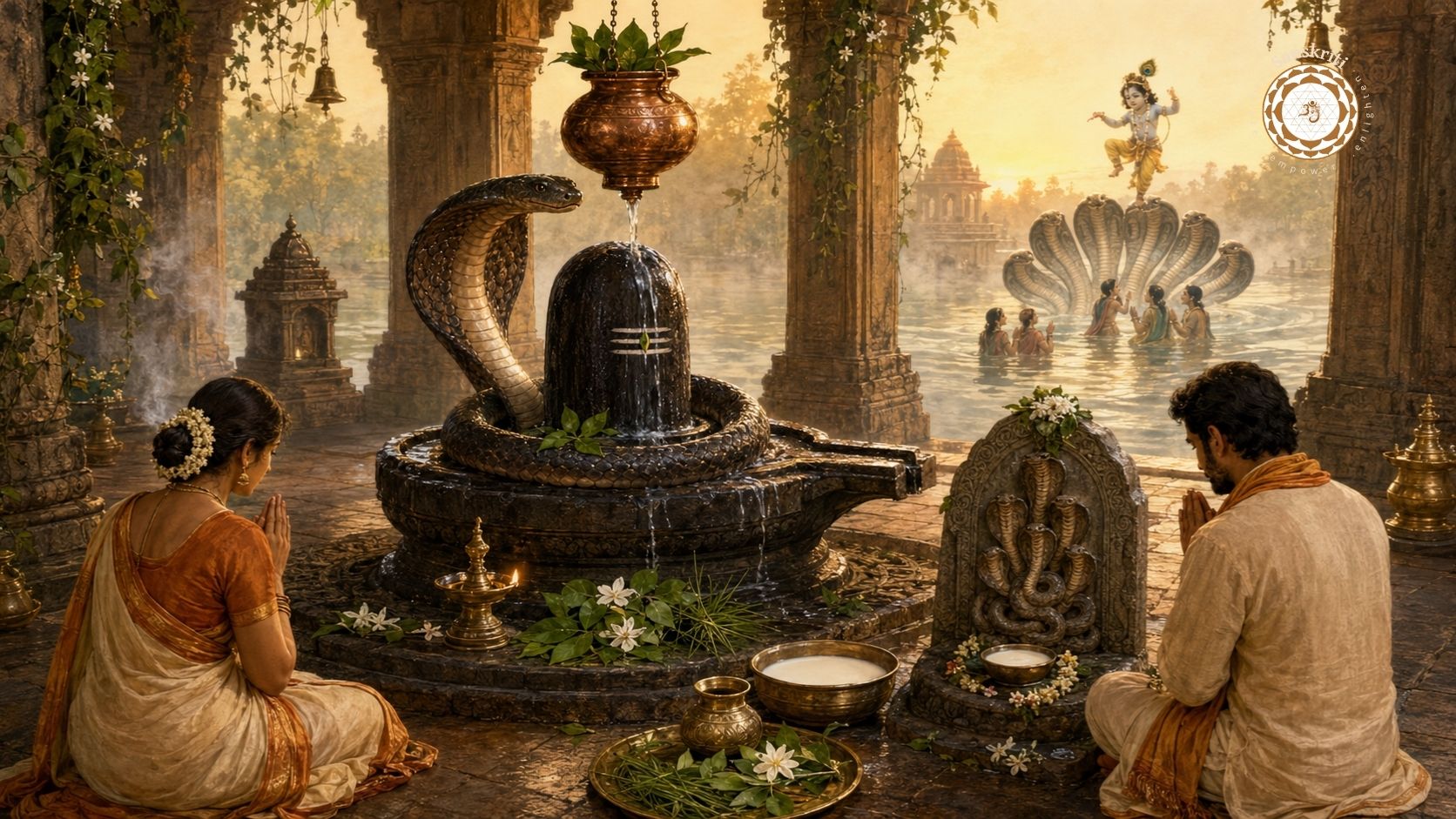
On Monday, August 17, 2026 — a Shravan Monday — Hindus offer milk and prayers to the serpent. The stories of Shesha, Vasuki, Kaliya and Astika, and the puja vidhi for Nag Panchami.

