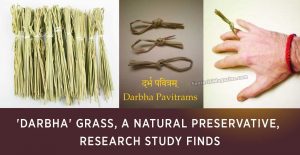
‘Darbha’ grass, a natural preservative, Research study finds
Darbha (Desmotachya bipinnata) is a tropical grass considered a sacred material in Vedic scriptures and is said to purify the offerings during such rituals. Traditional

Darbha (Desmotachya bipinnata) is a tropical grass considered a sacred material in Vedic scriptures and is said to purify the offerings during such rituals. Traditional
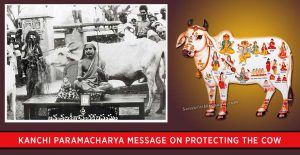
by Sri Chandrasekharendra Saraswathi Swamigal Protection of cow is a dharma that can be performed by people of all communities in the world. It is a

By Vaijayanti Mala Devi Dasi When my son went to India and met an elderly lady, he offered his obeisances and seeing this the lady started
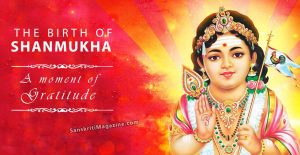
Lord Shiva was immersed in deep meditation after losing his wife Sati. Taking advantage of this state of Shiva was demon Tarakasura. He offered a
India’s secular principles adopted in the Indian Constitution and followed in all governmental works after independence (with the noble intent of promoting equality of all
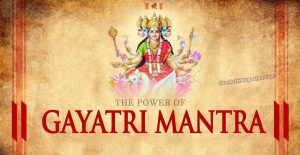
The Gayatri Mantra is considered the most sacred of all mantras in Sanaatana Dharma (Vedic Hindu religion). Lord Krishna says in the Bhagavad Gita that


The 12 Jyotirlingas of Lord Shiva — where each stands, its sacred story, and how to make the Dwadasha Jyotirlinga pilgrimage in person or in spirit this Shravan.

The Rudrabhishek is the abhishekam said to please Lord Shiva fastest. What it is, the meaning of each sacred substance, the Sri Rudram, and how it is performed at home this Shravan.

Shravan runs July 30–Aug 27 in 2026, with four Sawan Somwars (Aug 3, 10, 17, 24). Why the whole month belongs to Mahadeva — the churning of the ocean, the poison He drank, and how to keep the Sawan vrat.

Thiruvonam 2026 falls on Wednesday, August 26 — the crown of Kerala’s ten-day festival. The Bhagavata story of King Mahabali and the Vamana avatar, and why Onam is a homecoming, not a defeat.
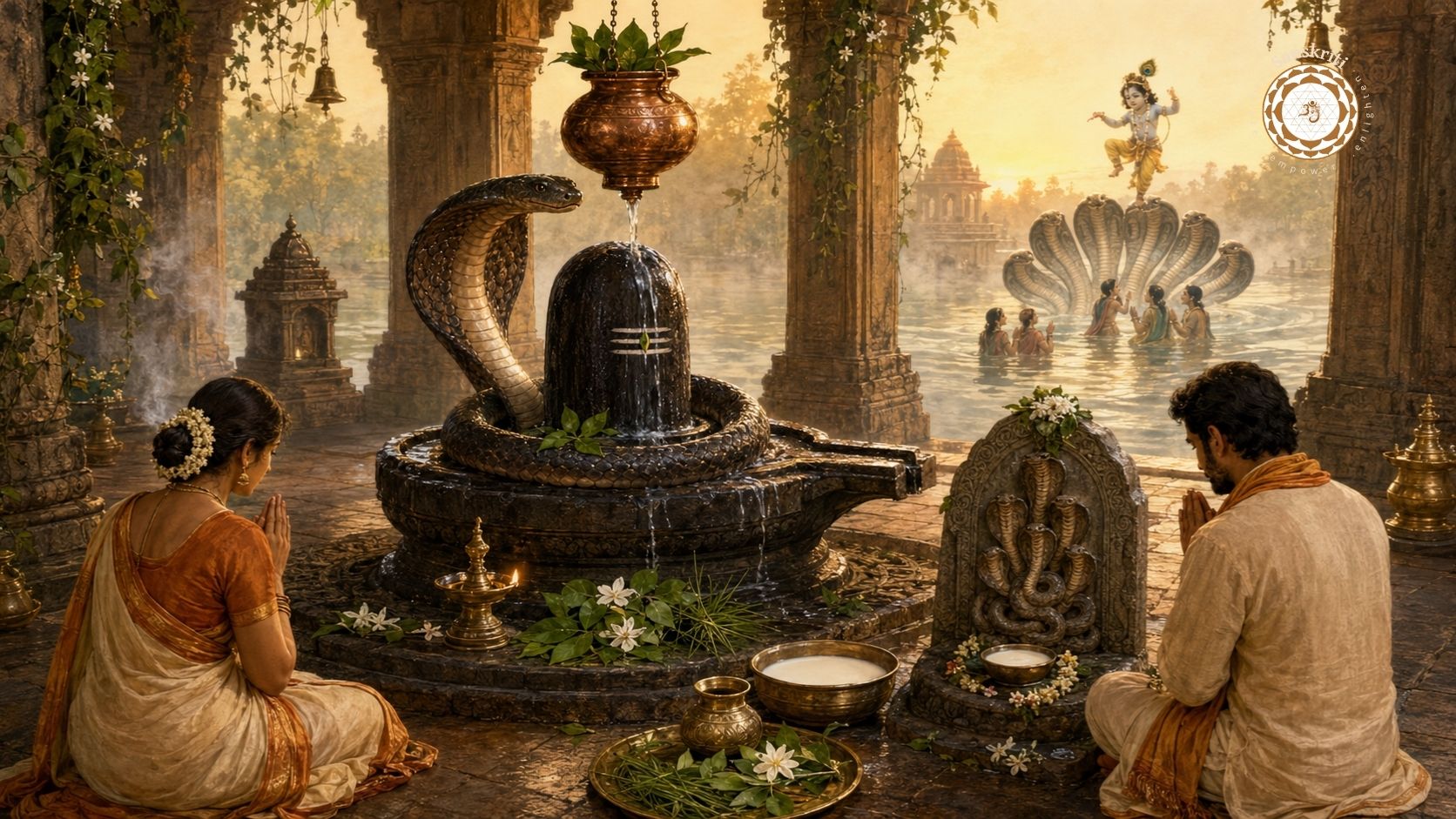
On Monday, August 17, 2026 — a Shravan Monday — Hindus offer milk and prayers to the serpent. The stories of Shesha, Vasuki, Kaliya and Astika, and the puja vidhi for Nag Panchami.

