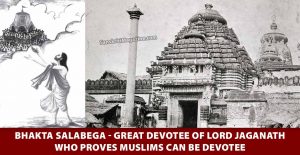
Bhakta Salabega – Great Devotee of Lord Jaganath Who Proves Muslims can be devotee
Bhakta Salabega (1607/1608 – unknown; Oriya) was an Odia religious poet of India in the early 17th century. Great devotee Bhakta Salabega was born in

Bhakta Salabega (1607/1608 – unknown; Oriya) was an Odia religious poet of India in the early 17th century. Great devotee Bhakta Salabega was born in
Here are brief about 6 Pillars of the Sanatana Dharma 1. Truthfulness One must always speak the truth, stand up for the truth, and side
By Stephen Knapp Since there is but one ultimate source of everything, all human activity started from that divine beginning. And activity means thought and
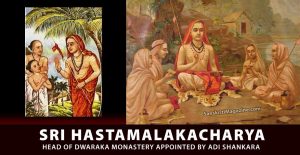
In the early part of the 9th century, when Adi Shankaracharya was wandering in the southern part of the India, he happened to pass through
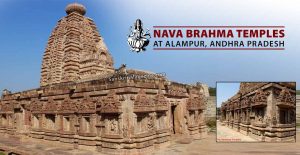
At Alampur, in the Mahbubnagar district of Telangana, is an ancient temple complex known as Navabrahmeshwara Theertha, or the Nava Brahmas (nine shrines). Built in
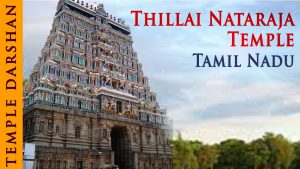
Tamil word KOIL means Thillai Chidambaram Natarajar temple for the Saivites and Srirangam Sri Ranganathar for the Vaishnavites as the spiritual capital of their respective


The 12 Jyotirlingas of Lord Shiva — where each stands, its sacred story, and how to make the Dwadasha Jyotirlinga pilgrimage in person or in spirit this Shravan.

The Rudrabhishek is the abhishekam said to please Lord Shiva fastest. What it is, the meaning of each sacred substance, the Sri Rudram, and how it is performed at home this Shravan.

Shravan runs July 30–Aug 27 in 2026, with four Sawan Somwars (Aug 3, 10, 17, 24). Why the whole month belongs to Mahadeva — the churning of the ocean, the poison He drank, and how to keep the Sawan vrat.

Thiruvonam 2026 falls on Wednesday, August 26 — the crown of Kerala’s ten-day festival. The Bhagavata story of King Mahabali and the Vamana avatar, and why Onam is a homecoming, not a defeat.
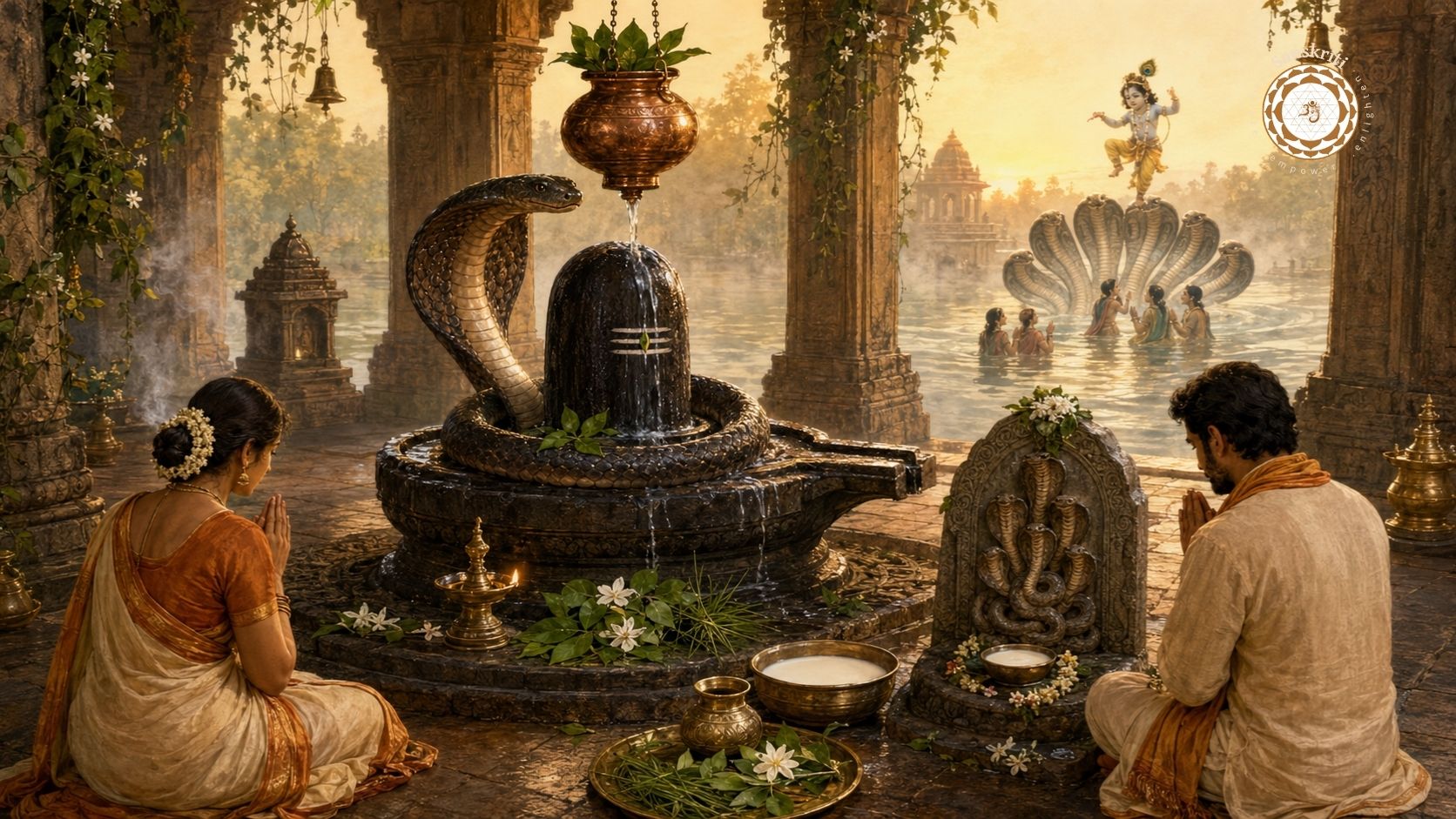
On Monday, August 17, 2026 — a Shravan Monday — Hindus offer milk and prayers to the serpent. The stories of Shesha, Vasuki, Kaliya and Astika, and the puja vidhi for Nag Panchami.

