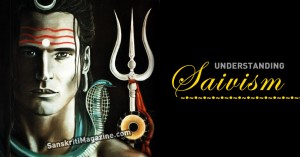
Understanding Saivism
Saivism is a branch of Hinduism that worships Siva as the Supreme God (Brahman.) Followers of Saivism are called Saivites, Saivas and so on. The

Saivism is a branch of Hinduism that worships Siva as the Supreme God (Brahman.) Followers of Saivism are called Saivites, Saivas and so on. The
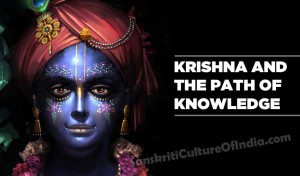
Lord Krishna was indeed the great guru of how to live life on earth. Like all great men, his life was dedicated to helping man

One of the most prominent features in Indian homes is rangoli, which is elaborately drawn in front of the main door. Apart from the immense

Young poet and hip-hop musician Mikey Jay describes himself as “a wandering soul learning the lessons of life” as he “traverses its diverse path.” For

Vayu is one of the key concepts of Vedic thought that has great importance in Yoga, Ayurveda and Vedanta. It has many profound implications both

People of the Hindu faith demonstrate a great deal of variety in their everyday ritualistic expression. Most of these practices are rooted in the oral

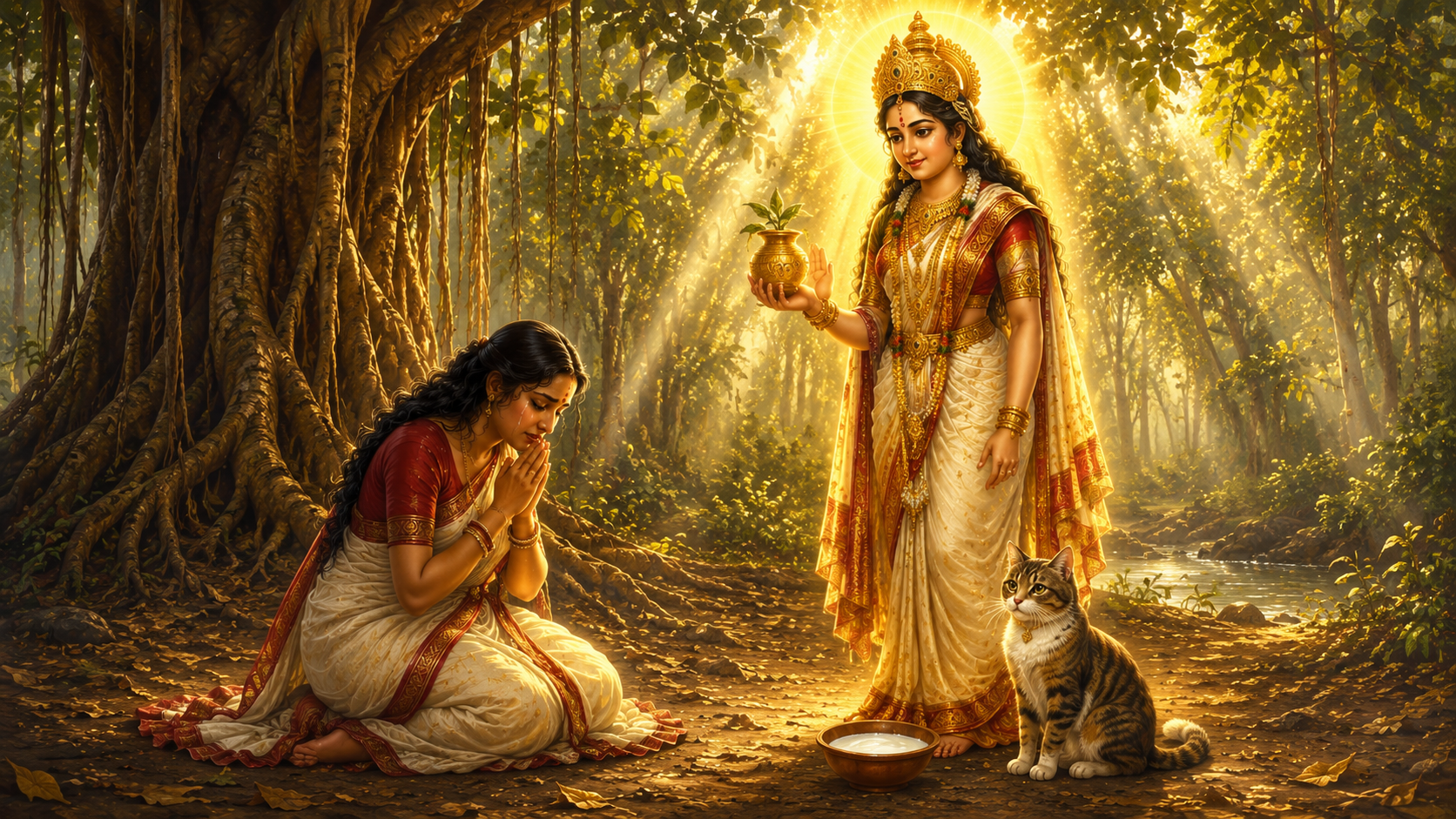
On Saturday, June 20, 2026, Bengali households across Bharata will welcome their married daughters and sons-in-law home for the legendary jamai-aador feast and perform the Shashthi Vrata. But behind the warmth lies a story most Bengalis know by heart and most non-Bengalis have never heard — the wife who stole the hilsa, blamed the cat, lost six sons to Maa Shashthi’s wrath, and was finally forgiven. The Vrat Katha, the vidhi, the mantras, and the deeper teaching.
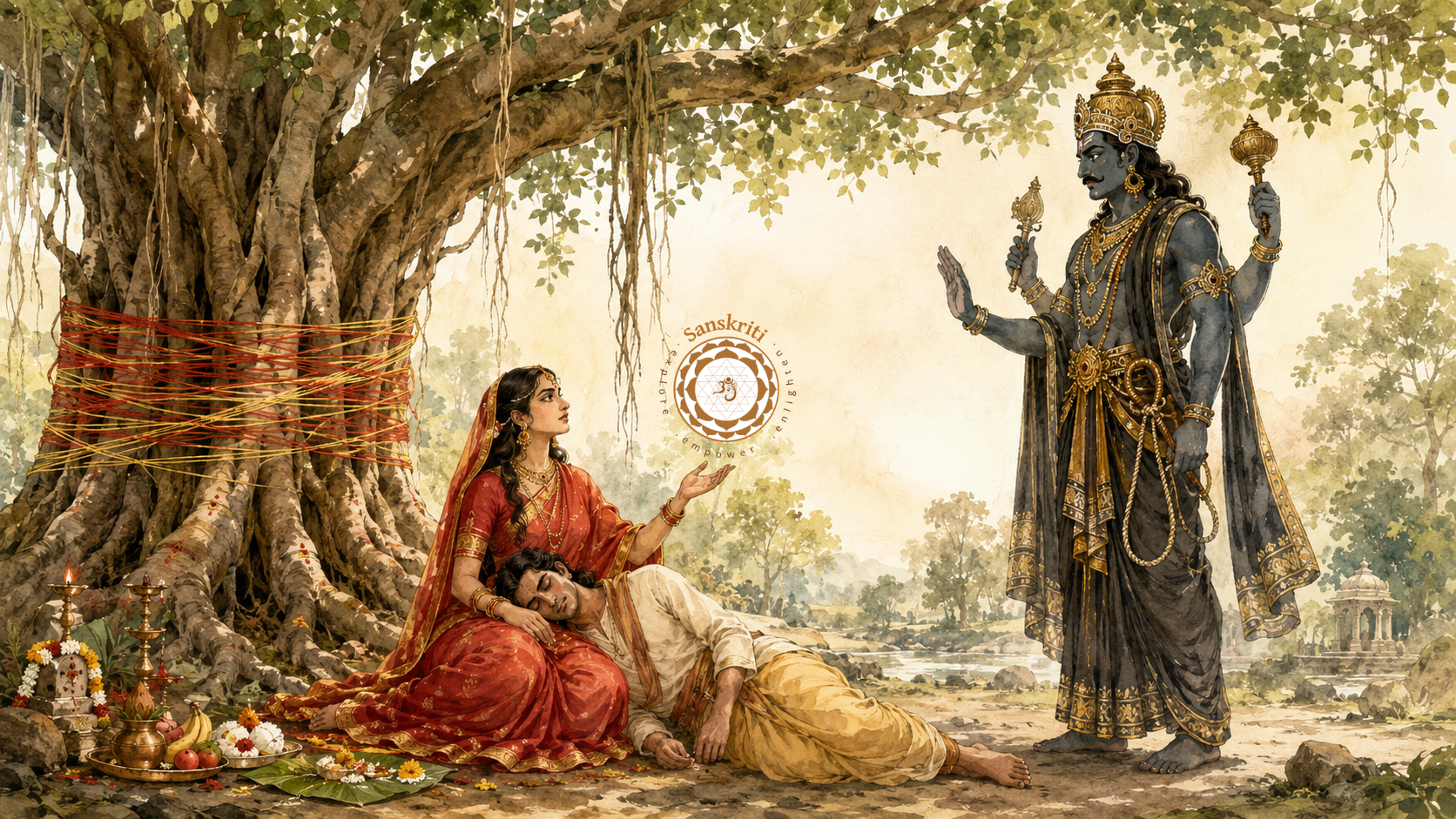
On Monday, June 29, 2026, women across Maharashtra, Gujarat, and southern Bharata will tie red thread around banyan trees and hear the story of Savitri — the wife who walked behind Yamaraja Himself when He came for her husband, and out-argued the Lord of Dharma into returning Satyavan’s life. The Mahabharata’s Pativrata Mahatmya Parva, the vrat vidhi, and why the banyan witnessed everything.
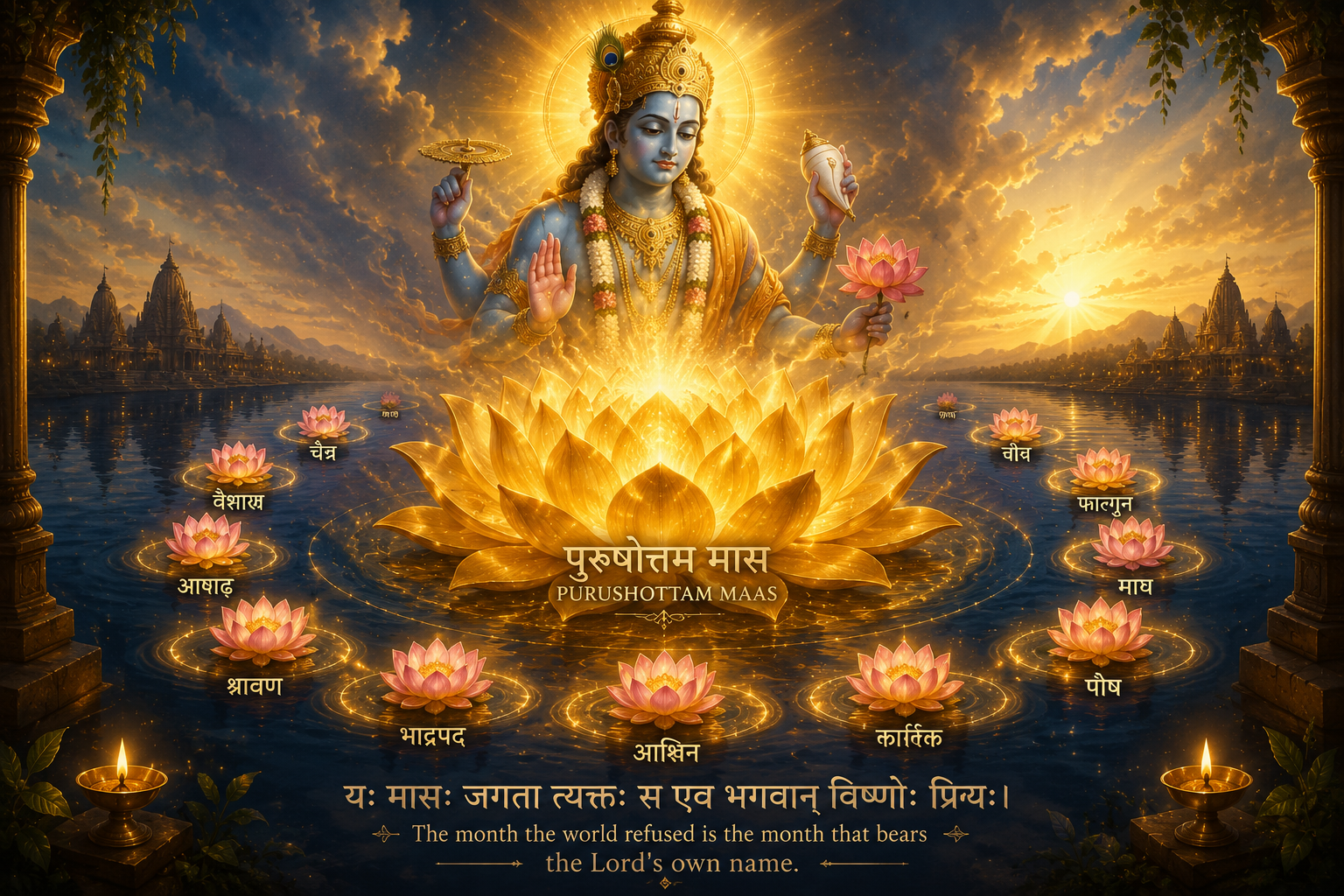
Every month of the Hindu calendar has a lord — except the rare thirteenth, the Adhika Maas, born an orphan and shunned as the “impure month.” The Puranas tell how this rejected month went in grief to Bhagavan Vishnu, who claimed it, gave it His own name — Purushottam — and made it the most fruitful month of all. The origin story, the teaching, and what it means for Purushottam Maas 2026 (May 17 – June 14).
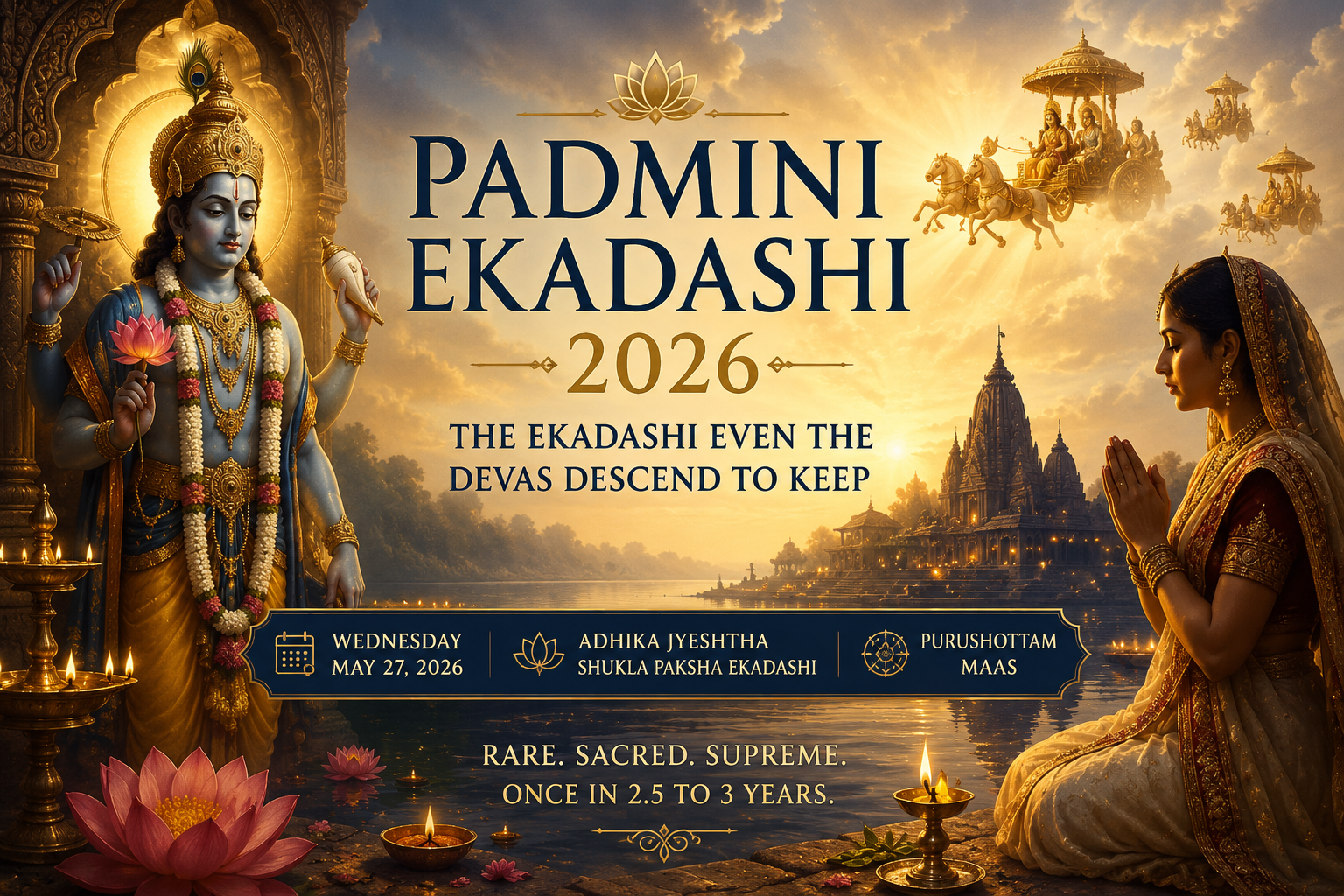
The rarest Ekadashi of the entire Hindu calendar is three days away. The Padma Purana preserves a conversation between Bhagavan Krishna and Yudhishthira about a single Ekadashi the great Rishis spend lifetimes waiting for — Padmini. The Vrat Katha of Queen Padmini of Mahishmati, the lotus teaching, and why May 27, 2026 is the morning Vaishnavas across Bharata are preparing for.
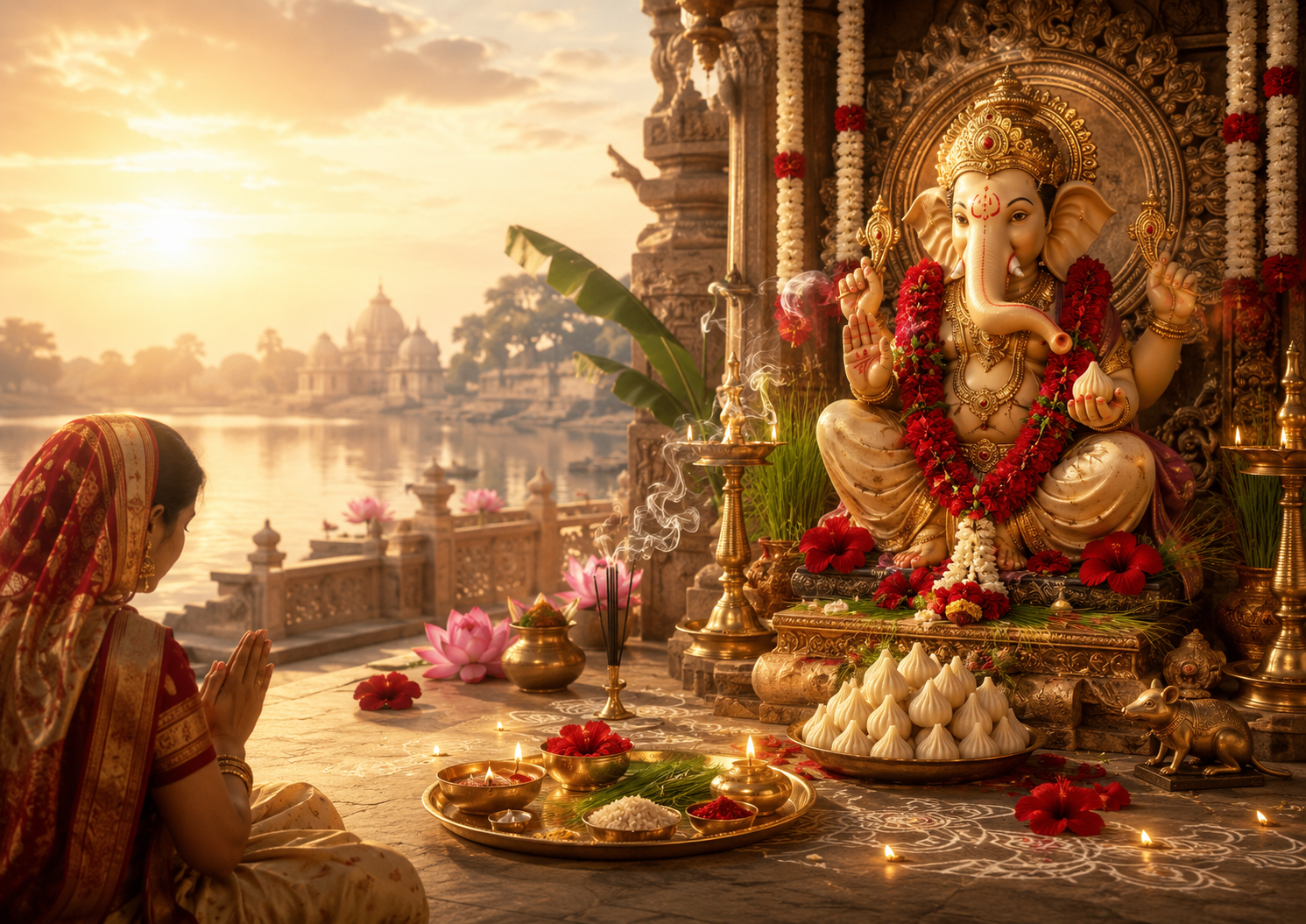
Once every 2.5–3 years — when the rare 13th month of Adhika Maas opens — a thirteenth Vinayaka Chaturthi appears. The Mudgala Purana calls it Varada Chaturthi, the “boon-giving” Chaturthi, and holds it as the most fruit-bearing Ganesha day of the entire calendar. Today, Wednesday May 20, 2026, is that day.

