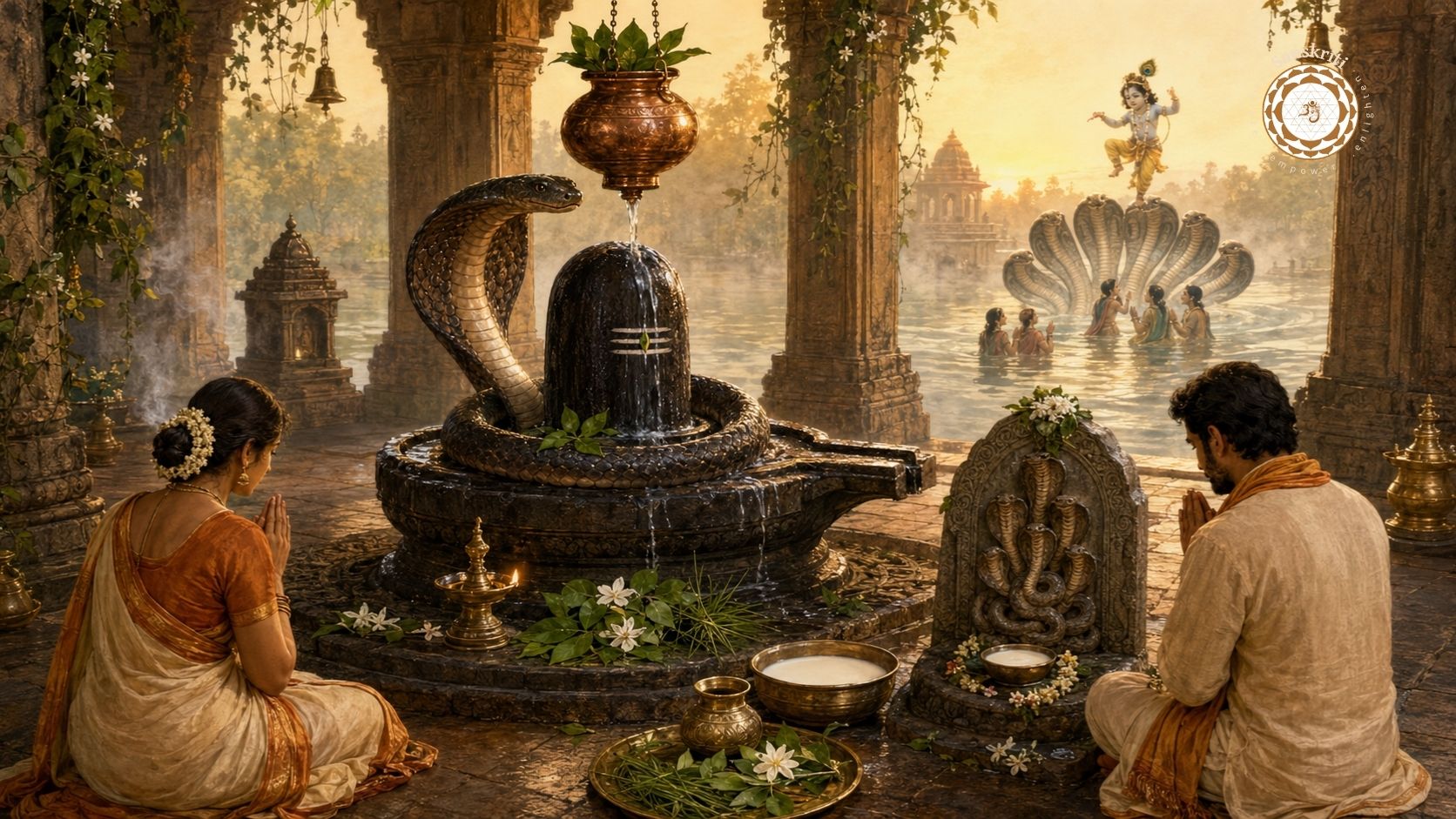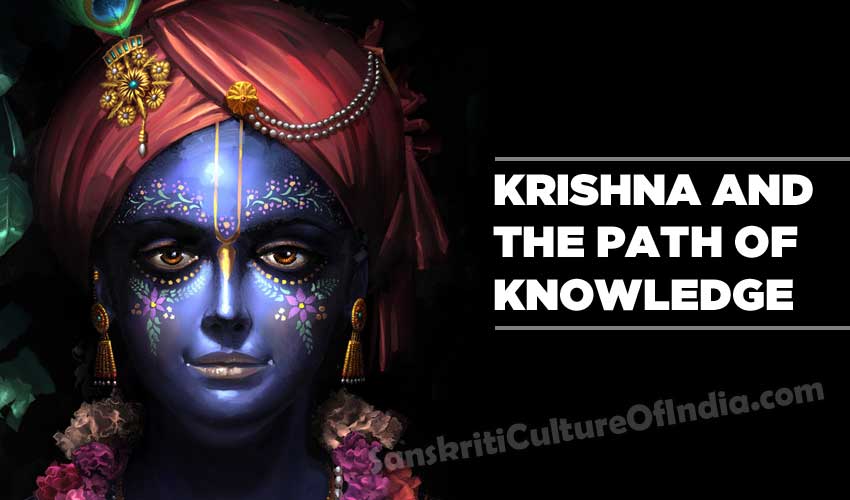
Lord Krishna was indeed the great guru of how to live life on earth. Like all great men, his life was dedicated to helping man fathom the sacred realm of supreme knowledge.
Krishna is the embodiment of his own teachings, and the Bhagavad Gita is his greatest message and mission to deliver us the knowledge that we all strive to seek. “In the Gita we hear the distant sound of the conflict of sects, and Lord Krishna comes in the middle to harmonize them all; He, the great teacher of harmony, Lord Krishna,” said Swami Vivekananda, “The glory of Sri Krishna is that He has been the best preacher of our eternal religion and the best commentator on the Vedanta that ever lived in India.” As Krishna himself said: “In Me they are all strung like pearls upon a thread.”
The Path of Knowledge: FAQ
You may have myriad question about knowledge.The Gita has answers to them all. Here are top ten questions you may have, all answered by the Lord Himself:
What is knowledge?
“Humility, unostentatiousness, harmlessness, forbearance, uprightness, service to guru, purity, steadiness and self-control — all this is called knowledge.”
What is so great about knowledge?
“Verily, there exists no purifier on earth, equal to knowledge. A man who becomes perfect in yoga finds it within himself in course of time.”
Why should we strive to seek knowledge?
“Seek not for life on earth or in heaven. Thirst for life is delusion. Knowing life to be transitory, wake up from this dream of ignorance and strive to attain knowledge and freedom before death claims you.”
What are the virtues of a person of knowledge?
“Dispassion for sense-objects, absence of egotism, seeing misery and evil in birth, death, old age and disease — all these are the virtues of a man of knowledge.”
Who can attain the knowledge of God?
“Blessed are the pure in heart, for to them is given the knowledge of God… Blessed is human birth; even the dwellers in heaven desire this birth; for true knowledge and pure love may be attained only by a human being.”
How can we acquire his knowledge?
“Acquire that knowledge through inquiry and humble service…”
How do we reach the realm of knowledge?
“Fixing their minds on Him, at one with Him, abiding in Him, realizing Him alone as the supreme goal, they reach a state from which there is no return, their sins having been destroyed by knowledge…”
Who can give us this knowledge?
“The wise who are knowers of the Truth will instruct you in wisdom.”
What happens to the ignorant and faithless?
“But the man goes to ruin, who is ignorant and without faith and always doubting. Not this world, nor happiness is for the doubting soul.”
How can you help us destroy ignorance?
“Just to bless them, I, residing in their intellect, destroy the darkness born of ignorance by the resplendent light of knowledge.”
~ Subhamoy Das