

Turkey is a fascinating country on the crossroads of multiple civilisations and cultures. It lies in both Europe and Asia and has been formed successively

There is a touch of divinity everywhere in Himachal, and therefore an old proverb says, “blessed are those who wander in the wild valleys, for

Indian culture seems too distant and fragile to sustain old age. A sense of tragedy haunts the future. One is forced to ask what is

As the sting operation by investigative website Cobrapost on the 1992 Babri Mosque demolition at Ayodhya, is released, I thought I could share this article

Dear Friends in Israel, I wouldn’t write to you today, if I didn’t feel compelled to do so. But first, I have a confession to make;


The 12 Jyotirlingas of Lord Shiva — where each stands, its sacred story, and how to make the Dwadasha Jyotirlinga pilgrimage in person or in spirit this Shravan.

The Rudrabhishek is the abhishekam said to please Lord Shiva fastest. What it is, the meaning of each sacred substance, the Sri Rudram, and how it is performed at home this Shravan.

Shravan runs July 30–Aug 27 in 2026, with four Sawan Somwars (Aug 3, 10, 17, 24). Why the whole month belongs to Mahadeva — the churning of the ocean, the poison He drank, and how to keep the Sawan vrat.

Thiruvonam 2026 falls on Wednesday, August 26 — the crown of Kerala’s ten-day festival. The Bhagavata story of King Mahabali and the Vamana avatar, and why Onam is a homecoming, not a defeat.
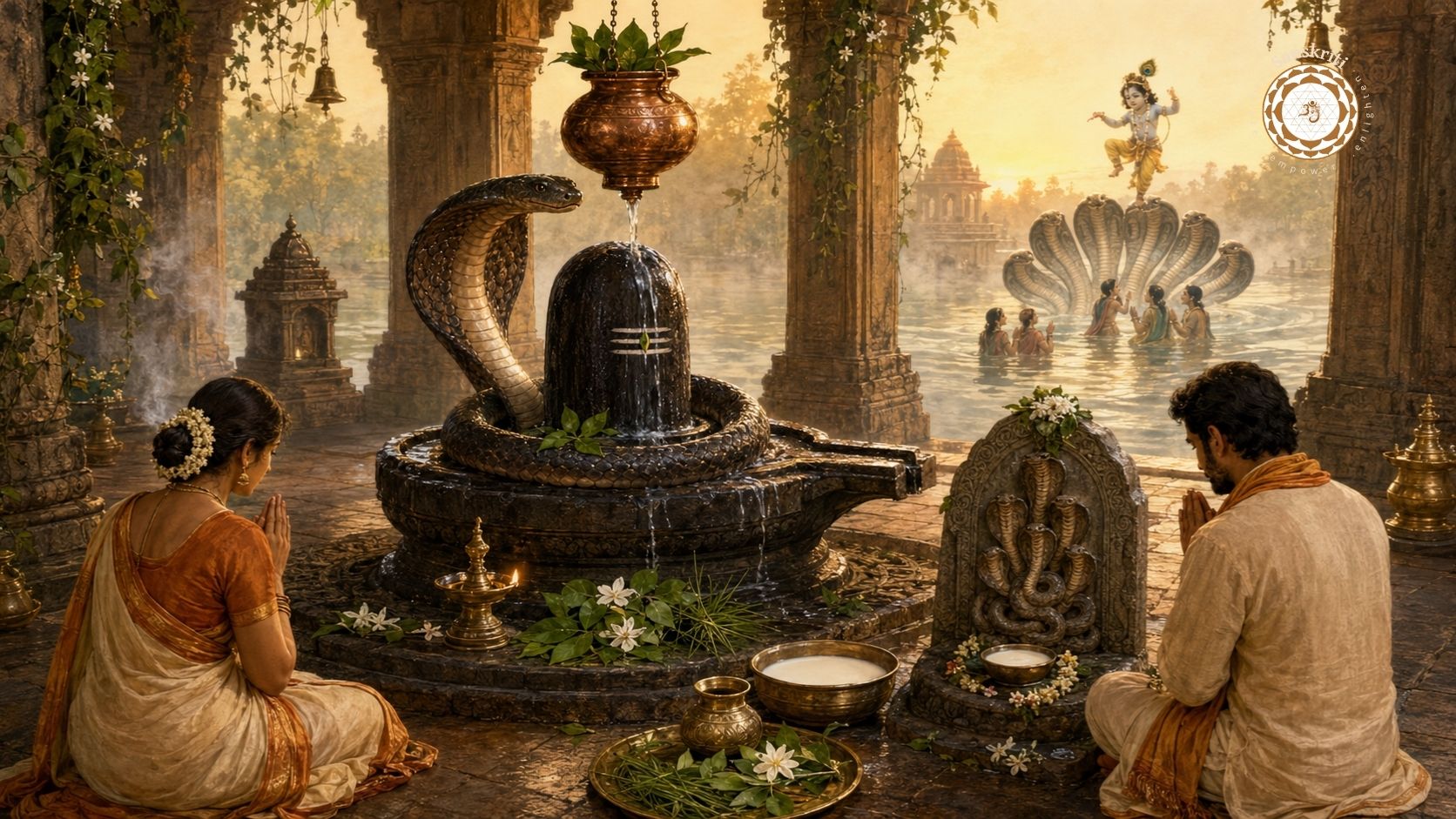
On Monday, August 17, 2026 — a Shravan Monday — Hindus offer milk and prayers to the serpent. The stories of Shesha, Vasuki, Kaliya and Astika, and the puja vidhi for Nag Panchami.

