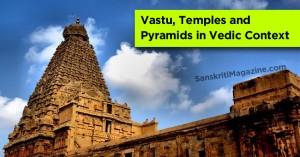
Vastu, Temples and Pyramids in Vedic Context
Traditional Indian architecture is extremely simple and straightforward. Simple techniques of construction were utilized to build some of the glorious and magnificent buildings that have

Traditional Indian architecture is extremely simple and straightforward. Simple techniques of construction were utilized to build some of the glorious and magnificent buildings that have

Ambarnath is part of Mumbai Metropolitan Region (MMR). The name Ambarnath literally means Sky-Lord. Ambarnath is the site of a old Shiva temple. The Shiv

The temple, built by the Chalukyas and now a protected monument, has for centuries been out of bounds for women. It was discovered by the

The Archaeologists and a team of Jahangirnagar University have unearthed an Hindu temple believed to be over 1,100 years old at Bochaganj upazila of Dinajpur

The mention made by Maulana Abdul Hai (Indian Express, February 5, 1989) of Hindu temples turned into mosques, is only the tip of an iceberg,

Fatehpur Sikri, that Mughal emperor Akbar established as his capital and is now a World Heritage site, was once a “flourishing trade and Jain pilgrimage


Bhadrapada begins today in North India, opening a lunar month that moves from the midnight

The 12 Jyotirlingas of Lord Shiva — where each stands, its sacred story, and how to make the Dwadasha Jyotirlinga pilgrimage in person or in spirit this Shravan.

The Rudrabhishek is the abhishekam said to please Lord Shiva fastest. What it is, the meaning of each sacred substance, the Sri Rudram, and how it is performed at home this Shravan.

Shravan runs July 30–Aug 27 in 2026, with four Sawan Somwars (Aug 3, 10, 17, 24). Why the whole month belongs to Mahadeva — the churning of the ocean, the poison He drank, and how to keep the Sawan vrat.

Thiruvonam 2026 falls on Wednesday, August 26 — the crown of Kerala’s ten-day festival. The Bhagavata story of King Mahabali and the Vamana avatar, and why Onam is a homecoming, not a defeat.

