
Nearly 1.7 Lakh Pilgrims Registered For This Year’s Amarnath Yatra
“The 60-day annual yatra to the shrine of Amarnath in south Kashmir Himalayas will commence on June 28 and the yatra will be longer by

“The 60-day annual yatra to the shrine of Amarnath in south Kashmir Himalayas will commence on June 28 and the yatra will be longer by

The Kalleshwara temple is located in the town of Hire Hadagali of the Hoovina Hadagali taluk in Bellary district of Karnataka state, India. The temple

Bathu Temples dipped inside Pong Dam Lake near Dhameta town of Kangra region in Himachal Pradesh, India. Bathu temples can only be seen during summers

Mahadev Temple, Tambdi Surla is a 12th-century Shaivite temple of the Lord Mahadeva and an active place of Hindu worship. It is notable as the

Shri Dattatreya is a very ancient incarnation, highly venerated through the ages. Dattatreya – a Universal Guru manifested in the recess of time of ‘Kalyug’,
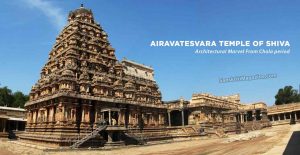
Airavatesvara Temple is a Hindu temple located in the town of Darasuram, near Kumbakonam in the South Indian state of Tamil Nadu. This temple, built


Bhadrapada begins today in North India, opening a lunar month that moves from the midnight

The 12 Jyotirlingas of Lord Shiva — where each stands, its sacred story, and how to make the Dwadasha Jyotirlinga pilgrimage in person or in spirit this Shravan.

The Rudrabhishek is the abhishekam said to please Lord Shiva fastest. What it is, the meaning of each sacred substance, the Sri Rudram, and how it is performed at home this Shravan.

Shravan runs July 30–Aug 27 in 2026, with four Sawan Somwars (Aug 3, 10, 17, 24). Why the whole month belongs to Mahadeva — the churning of the ocean, the poison He drank, and how to keep the Sawan vrat.

Thiruvonam 2026 falls on Wednesday, August 26 — the crown of Kerala’s ten-day festival. The Bhagavata story of King Mahabali and the Vamana avatar, and why Onam is a homecoming, not a defeat.

