
Ancient temples of Himachal Pradesh
Baba Baroh Baba Baroh is a tehsil in Kangra district, India is recognized for a temple made of white marble to Radha Krishan and the Goddess Durga. This temple is well-known for the largest amount of

Baba Baroh Baba Baroh is a tehsil in Kangra district, India is recognized for a temple made of white marble to Radha Krishan and the Goddess Durga. This temple is well-known for the largest amount of

The very nature of human perception is such that, right now, whatever a human being is involved with, that will be the only truth for

Arjuna’s Penance is a massive open-air bas-relief monolith, which dates back to the 7th century. It is situated in the town of Mahabalipuram, at a

Ananthapura Lake Temple in Kasaragod, built in the 9th century, is the only lake temple in Kerala and is the moolasthanam (original abode) of Ananthapadmanabha,
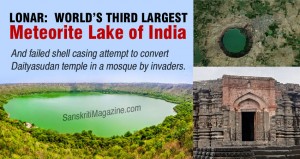
Approximately 52,000 years ago, a 60m wide meteorite weighing 2 megatons made an impact which formed a circular crater 1800 meters in diameter and 150
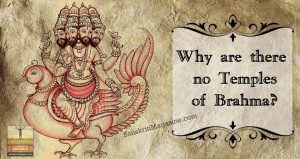
In the Shiva Purana, at the beginning of time in the Cosmos, Vishnu and Brahmā approached a huge Shiva Lingam and set out to find


Bhadrapada begins today in North India, opening a lunar month that moves from the midnight

The 12 Jyotirlingas of Lord Shiva — where each stands, its sacred story, and how to make the Dwadasha Jyotirlinga pilgrimage in person or in spirit this Shravan.

The Rudrabhishek is the abhishekam said to please Lord Shiva fastest. What it is, the meaning of each sacred substance, the Sri Rudram, and how it is performed at home this Shravan.

Shravan runs July 30–Aug 27 in 2026, with four Sawan Somwars (Aug 3, 10, 17, 24). Why the whole month belongs to Mahadeva — the churning of the ocean, the poison He drank, and how to keep the Sawan vrat.

Thiruvonam 2026 falls on Wednesday, August 26 — the crown of Kerala’s ten-day festival. The Bhagavata story of King Mahabali and the Vamana avatar, and why Onam is a homecoming, not a defeat.

