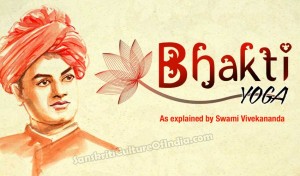
Bhakti Yoga as explained by Swami Vivekananda
Bhakti Yoga is a real, genuine search after the Lord, a search beginning, continuing, and ending in Love. One single moment of the madness of extreme

Bhakti Yoga is a real, genuine search after the Lord, a search beginning, continuing, and ending in Love. One single moment of the madness of extreme
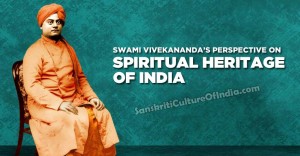
According to Swami Vivekananda (1863-1902), a great spiritual leader, thinker and reformer of India, spirituality is the very backbone of India. He observes that every
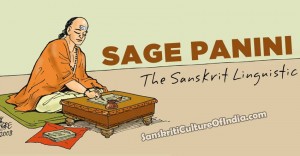
Panini was born in Shalatula, a town near to Attock on the Indus river in present day Pakistan. The dates given for Panini are pure guesses.
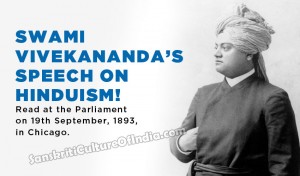
Three religions now stand in the world which have come down to us from time prehistoric—Hinduism, Zoroastrianism and Judaism. They have all received tremendous shocks
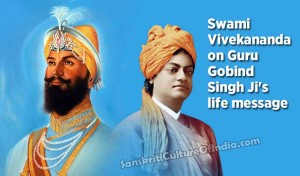
Swami Vivekananda, while strolling with some of his disciples on the roof of the late Balaram Basu’s house in Calcutta in 1882 recalled the life
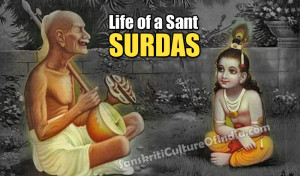
Surdas, the 15th century sightless saint, poet and musician, is known for his devotional songs dedicated to Lord Krishna. Surdas is said to have written and composed a


Bhadrapada begins today in North India, opening a lunar month that moves from the midnight

The 12 Jyotirlingas of Lord Shiva — where each stands, its sacred story, and how to make the Dwadasha Jyotirlinga pilgrimage in person or in spirit this Shravan.

The Rudrabhishek is the abhishekam said to please Lord Shiva fastest. What it is, the meaning of each sacred substance, the Sri Rudram, and how it is performed at home this Shravan.

Shravan runs July 30–Aug 27 in 2026, with four Sawan Somwars (Aug 3, 10, 17, 24). Why the whole month belongs to Mahadeva — the churning of the ocean, the poison He drank, and how to keep the Sawan vrat.

Thiruvonam 2026 falls on Wednesday, August 26 — the crown of Kerala’s ten-day festival. The Bhagavata story of King Mahabali and the Vamana avatar, and why Onam is a homecoming, not a defeat.

