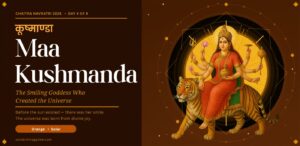
Maa KushmandaThe Smiling Goddess Who Created the Universe
Maa Kushmanda: The Smiling Goddess Who Created the Universe | Sanskriti Magazine Chaitra Navratri 2026 · Day 4 of 9 Maa KushmandaThe Smiling Goddess Who

Maa Kushmanda: The Smiling Goddess Who Created the Universe | Sanskriti Magazine Chaitra Navratri 2026 · Day 4 of 9 Maa KushmandaThe Smiling Goddess Who
Ugadi and Gudi Padwa 2026 — the Hindu New Year celebrations of the Deccan. The significance of Chaitra Shukla Pratipada, Panchanga Shravanam, Bevu Bella, the Gudi tradition, and new year rituals.
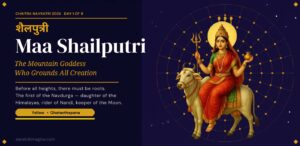
Maa Shailputri: The Mountain Goddess Who Grounds All Creation | Sanskriti Magazine Chaitra Navratri 2026 · Day 1 of 9 Maa ShailputriThe Mountain Goddess Who
Holi 2026 — from Holika Dahan to the colours of Vrindavan. The sacred account of Prahlada, the Radha-Krishna tradition of Braj, regional celebrations, and the Dharmic teaching of devotion’s triumph.
Maha Shivaratri 2026 — the great night of Bhagavan Shiva. The four prahar puja, Rudra Abhisheka, the Puranic accounts, the significance of the night vigil, and the teaching of dissolution and renewal.
Vasant Panchami 2026 — honouring Devi Saraswati, the goddess of knowledge, music, and the arts. Puja vidhi, the significance of yellow, the arrival of spring, and the deeper meaning of Vidya.


Bhadrapada begins today in North India, opening a lunar month that moves from the midnight

The 12 Jyotirlingas of Lord Shiva — where each stands, its sacred story, and how to make the Dwadasha Jyotirlinga pilgrimage in person or in spirit this Shravan.

The Rudrabhishek is the abhishekam said to please Lord Shiva fastest. What it is, the meaning of each sacred substance, the Sri Rudram, and how it is performed at home this Shravan.

Shravan runs July 30–Aug 27 in 2026, with four Sawan Somwars (Aug 3, 10, 17, 24). Why the whole month belongs to Mahadeva — the churning of the ocean, the poison He drank, and how to keep the Sawan vrat.

Thiruvonam 2026 falls on Wednesday, August 26 — the crown of Kerala’s ten-day festival. The Bhagavata story of King Mahabali and the Vamana avatar, and why Onam is a homecoming, not a defeat.

