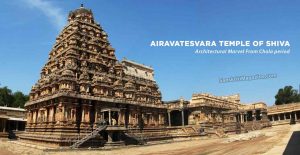
Airavatesvara Temple of Shiva, Architectural Marvel From Chola period
Airavatesvara Temple is a Hindu temple located in the town of Darasuram, near Kumbakonam in the South Indian state of Tamil Nadu. This temple, built

Airavatesvara Temple is a Hindu temple located in the town of Darasuram, near Kumbakonam in the South Indian state of Tamil Nadu. This temple, built
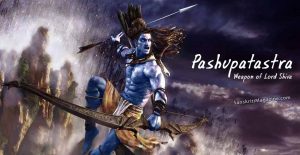
Lord Shiva and his close association with the mighty weapon – Pashupatastra. Throughout history lord Shiva is reckoned for his temper. This is one of

Holla Mohalla is a Sikh festival celebrated in the month of Phalguna , a day after Holi.An annual festival held at Anandpur Sahib in Punjab,

A day prior to the actual colour festival of Rang wali Holi, people collectively gather to perform the Holika Pujan. It’s that time of the

By Sirshree You must have seen the pictures of Lord Shiva sitting on Mount Kailash, surrounded by the white snowy serenity around him. There is

This Diwali, Singapore’s Land Transport Authority followed-up on last year’s successful Deepavali-themed trains and did the same this year too. These trains and buses, adorned


Bhadrapada begins today in North India, opening a lunar month that moves from the midnight

The 12 Jyotirlingas of Lord Shiva — where each stands, its sacred story, and how to make the Dwadasha Jyotirlinga pilgrimage in person or in spirit this Shravan.

The Rudrabhishek is the abhishekam said to please Lord Shiva fastest. What it is, the meaning of each sacred substance, the Sri Rudram, and how it is performed at home this Shravan.

Shravan runs July 30–Aug 27 in 2026, with four Sawan Somwars (Aug 3, 10, 17, 24). Why the whole month belongs to Mahadeva — the churning of the ocean, the poison He drank, and how to keep the Sawan vrat.

Thiruvonam 2026 falls on Wednesday, August 26 — the crown of Kerala’s ten-day festival. The Bhagavata story of King Mahabali and the Vamana avatar, and why Onam is a homecoming, not a defeat.

