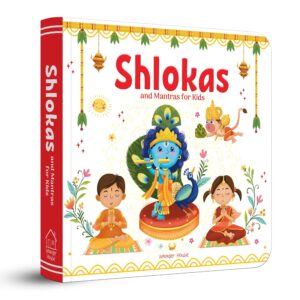
Book Review: Shlokas and Mantras for Kids
“Shlokas and Mantras for Kids” is a beautifully illustrated padded board book designed to introduce children to India’s rich cultural heritage through simple and meaningful

“Shlokas and Mantras for Kids” is a beautifully illustrated padded board book designed to introduce children to India’s rich cultural heritage through simple and meaningful
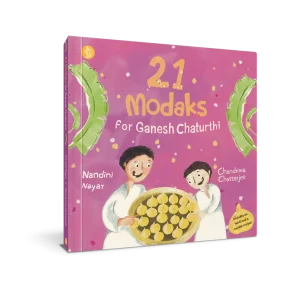
“21 Modaks for Ganesh Chaturthi” by Nandini Nayyar is a delightful children’s book that captures the excitement and joy of the Ganesh Chaturthi festival. Illustrated
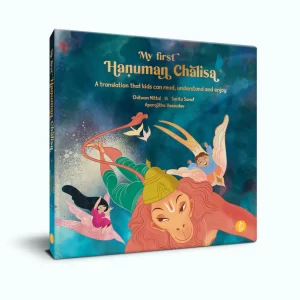
“My First Hanuman Chalisa – Second Edition” is a remarkable book that brings the essence of one of Hinduism’s most cherished prayers into the lives
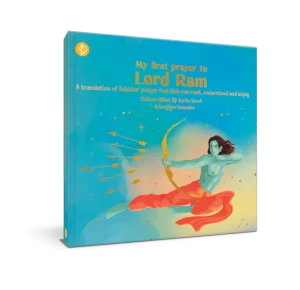
“My First Prayer to Lord Ram” is the second book in the popular Prayer series by Chitwan Mittal and Sarita Saraf, illustrated by Aparajitha Vaasudev.
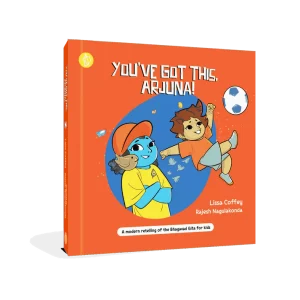
“You’ve Got This, Arjuna!” is a delightful children’s book that creatively introduces the teachings of the Bhagavad Gita through a relatable modern story. Authored by
A merchant started his son in life with three hundred rupees, and bade him go to another country and try his luck in trade. The


Bhadrapada begins today in North India, opening a lunar month that moves from the midnight

The 12 Jyotirlingas of Lord Shiva — where each stands, its sacred story, and how to make the Dwadasha Jyotirlinga pilgrimage in person or in spirit this Shravan.

The Rudrabhishek is the abhishekam said to please Lord Shiva fastest. What it is, the meaning of each sacred substance, the Sri Rudram, and how it is performed at home this Shravan.

Shravan runs July 30–Aug 27 in 2026, with four Sawan Somwars (Aug 3, 10, 17, 24). Why the whole month belongs to Mahadeva — the churning of the ocean, the poison He drank, and how to keep the Sawan vrat.

Thiruvonam 2026 falls on Wednesday, August 26 — the crown of Kerala’s ten-day festival. The Bhagavata story of King Mahabali and the Vamana avatar, and why Onam is a homecoming, not a defeat.

