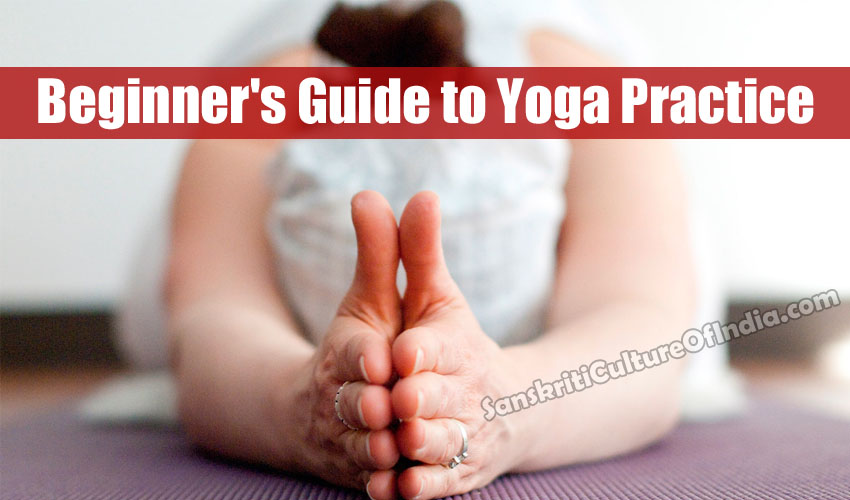
Yoga is not just a series of exercises, poses or movements but a type of body meditation, a meditation in motion. For you to extract maximum benefit from your yoga practice, these three key elements must never by forgotten.
1. Do Yoga Exercises With Full Awareness:
Try to be as aware as possible of every posture and movement you are making during your practice. Check throughout your yoga session, as to where your mind is, and if it has wandered away, gently bring it back and focus again on the poses and the breathing. This is the number one requirement of doing yoga, regardless of whether you are just a beginner yogi or a yoga master.
In addition, if certain feelings or energies awaken within you, bring your attention to them and observe them taking their course as you move through your practice.
2. Never Over Strain When Practicing Yoga:
As the requirement above, this guideline also applies to both beginner yoga practitioners as well as advanced yogis. When doing my yoga teacher’s training course, what surprised me quite a bit, was how often these seasoned yogis were getting injured. Yoga is a journey, it is be enjoyed and the sights and sounds taken in, it is not a competition.
If you are just beginning your practice, you need to give yourself time to gauge your capacity and limits. So start off erring in the side of caution, rather than being over zealous. Learn to listen to your body. As you start to better understand your body and energy, you can start to explore your limits further and increase the challenge you place before yourself. That being said, even as your yoga expertise develops, never forget this important rule and overdo it.
3. Yoga & Breathing Go Hand In Hand:
Don’t forget to breathe! There are 2 aspects of breathing which every beginner yogi should be cognizant of.
First, yoga poses and exercises, generally have some breathing pattern associated with them. This breath component of the yoga posture should not be ignored. The breathing plays a very important role in yoga and in order to get the most out of your yoga practice, employ the correct breathing along with the movement.
Second, pranayama, or the science of expanding and controlling prana (chi/life-force) is a key aspect of yoga and should be an integral part of your yoga practice. So, in addition to developing your physical yoga practice, be sure to also develop your expertise in pranayama. As a beginner, make sure you start off gently, as pranayama is a very powerful science and make steady progress over time.
One final word about yoga breathing. Your breath can be a good anchor to help you retain your awareness when your mind is wondering. So it can go a long way in helping you with meeting the requirement of mindfulness, explained in guideline #1 above.
Other General Guidelines for Beginner Yoga Practitioners:
Having detailed the essential guidelines above, I will provide a bullet list below of some other general guidelines for the beginner yoga enthusiast to reference.
- Don’t eat a big meal at least 2-3 hours before your yoga practice.
- Wear comfortable exercise or other loose clothing so your movements are not restricted.
- Try to do your yoga practice early in the morning if possible.
- Make sure your yoga space is well ventilated.
- If you have medical conditions, select your yoga exercises accordingly.
- Drink plenty of water after practice to wash out toxins released by the yoga sets.
- It is fine to use yoga props to help you, such as blocks, blankets, cushions etc.
- It is fine to use music while practicing yoga, but not during silent meditation.
- If you find a great yoga teacher, awesome, if you don’t, use your inner guru to guide you.
- If is recommended to start and end your yoga practice with a prayer to the Lord.
The most important requirement in order to benefit from yoga, is to do your practice. So jump in and start your journey, everyone is welcome.
~ Anmol Mehta