
Akbar: Great Monarch or Tyrant ?
History of India has witnessed innumerable invasions by hordes of armed marauders coming in from the west, perhaps attracted to the riches and wealth India

History of India has witnessed innumerable invasions by hordes of armed marauders coming in from the west, perhaps attracted to the riches and wealth India
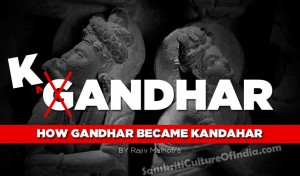
Afghanistan’s epic history starts when it was an important region of ancient India called ‘Gandhara’. One of its most frequently mentioned cities in the world

It is the responsibility of everyone to give charity. One should always give charity as a duty towards society and expect nothing in return. It
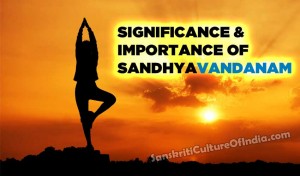
Sandhyavandana is a short religious practice that Hindus perform thrice daily. It combines specific mantras (mental affirmations accompanied by verbal chants) with breathing practice (pranayama)
Sit on Juhu beach. Watch the sea. That vast expanse of water. The limitless horizon. The tide rising and ebbing with the phases of the

Are not national boundaries, economic disparity and religious dogma dividing us into different camps, creating nonspiritual environments? National boundaries and so forth are impairing the


The 12 Jyotirlingas of Lord Shiva — where each stands, its sacred story, and how to make the Dwadasha Jyotirlinga pilgrimage in person or in spirit this Shravan.

The Rudrabhishek is the abhishekam said to please Lord Shiva fastest. What it is, the meaning of each sacred substance, the Sri Rudram, and how it is performed at home this Shravan.

Shravan runs July 30–Aug 27 in 2026, with four Sawan Somwars (Aug 3, 10, 17, 24). Why the whole month belongs to Mahadeva — the churning of the ocean, the poison He drank, and how to keep the Sawan vrat.

Thiruvonam 2026 falls on Wednesday, August 26 — the crown of Kerala’s ten-day festival. The Bhagavata story of King Mahabali and the Vamana avatar, and why Onam is a homecoming, not a defeat.
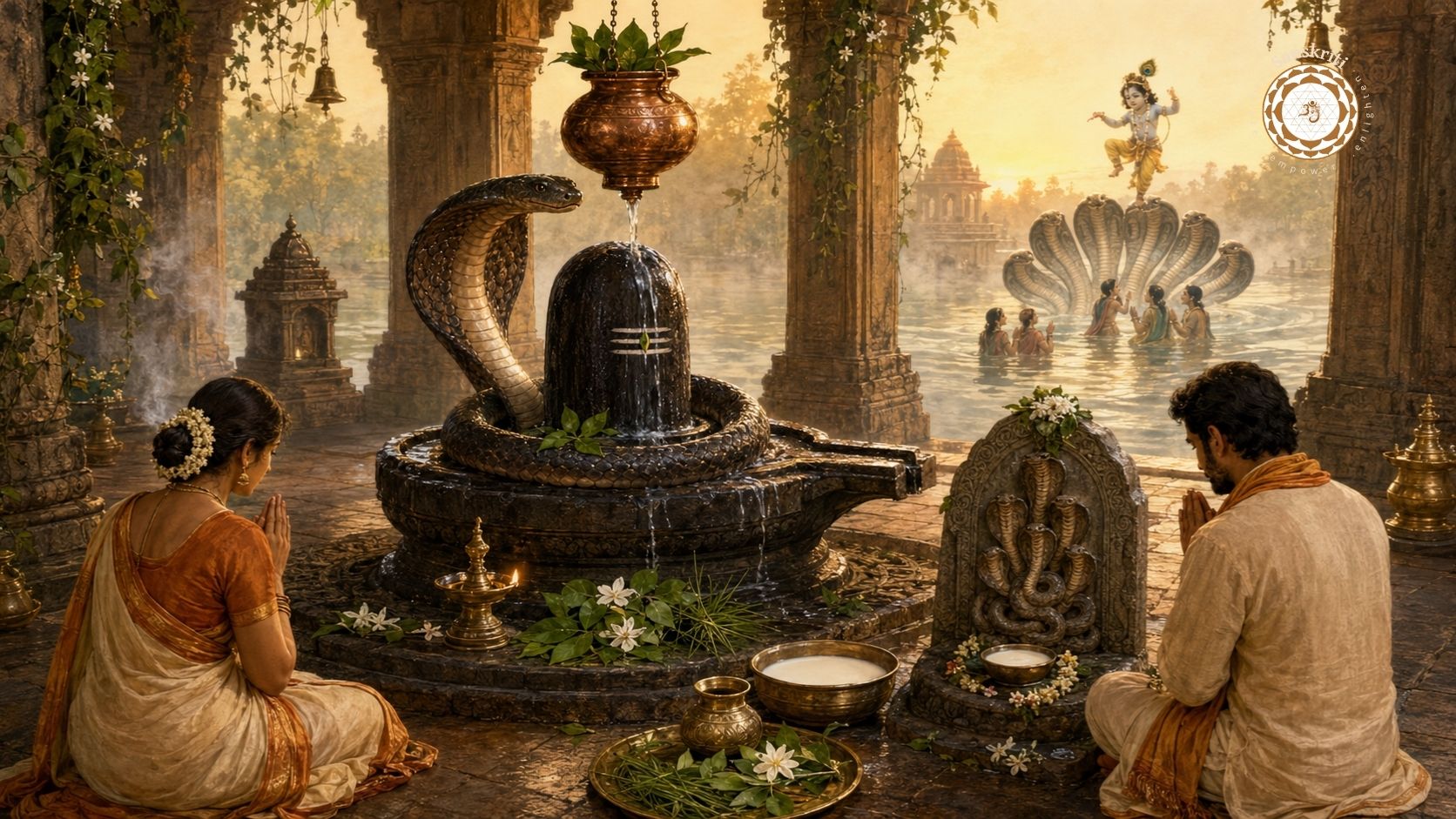
On Monday, August 17, 2026 — a Shravan Monday — Hindus offer milk and prayers to the serpent. The stories of Shesha, Vasuki, Kaliya and Astika, and the puja vidhi for Nag Panchami.

