The Secrets of the Vedas
“One finds two theorems in modern science which have a profound spiritual echo, wrote in 1926 Sri Aurobindo, India’s avatar of the Modern Age :

“One finds two theorems in modern science which have a profound spiritual echo, wrote in 1926 Sri Aurobindo, India’s avatar of the Modern Age :

Ten by ten, the sepoys were called forth. Their names having been taken down in succession, they were pinioned, linked together, and marched to execution;

Alexander’s invasion of India is regarded as a huge Western victory against the disorganized East. But according to Marshal Gregory Zhukov, the largely Macedonian army
According to Hinduism, the soul is incarnated in a human body after going through 84,00,000 cycles of births and deaths. The human birth is considered

India’s main Hindu nationalist party Bharatiya Janata Party says it plans to clamp down on beef exports if it takes power after general elections that

Theatre is just entertainment, and who needs entertainment? The people who are in despair. For a few hours they can forget their despair and become


The 12 Jyotirlingas of Lord Shiva — where each stands, its sacred story, and how to make the Dwadasha Jyotirlinga pilgrimage in person or in spirit this Shravan.

The Rudrabhishek is the abhishekam said to please Lord Shiva fastest. What it is, the meaning of each sacred substance, the Sri Rudram, and how it is performed at home this Shravan.

Shravan runs July 30–Aug 27 in 2026, with four Sawan Somwars (Aug 3, 10, 17, 24). Why the whole month belongs to Mahadeva — the churning of the ocean, the poison He drank, and how to keep the Sawan vrat.

Thiruvonam 2026 falls on Wednesday, August 26 — the crown of Kerala’s ten-day festival. The Bhagavata story of King Mahabali and the Vamana avatar, and why Onam is a homecoming, not a defeat.
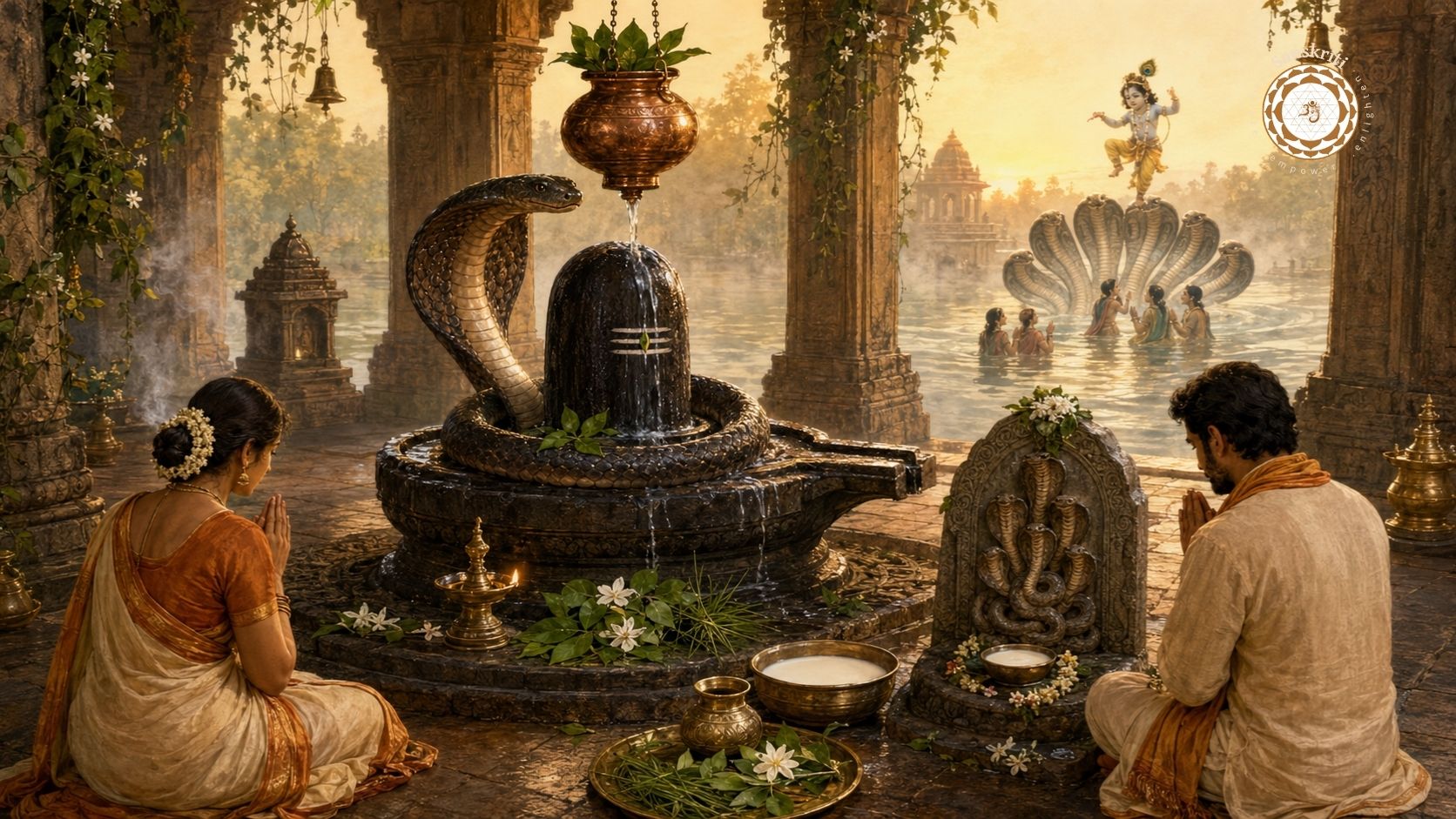
On Monday, August 17, 2026 — a Shravan Monday — Hindus offer milk and prayers to the serpent. The stories of Shesha, Vasuki, Kaliya and Astika, and the puja vidhi for Nag Panchami.

