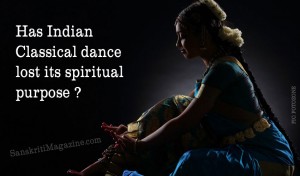
Has Indian Classical dance lost its spiritual purpose ?
There is much to say about the Indian classical dances about its lucidity, expression, etc. Yet many and most of our dancers forget why they

There is much to say about the Indian classical dances about its lucidity, expression, etc. Yet many and most of our dancers forget why they

During the 4th to 13th centuries there was a unique culture on the coast of contemporary Vietnam, owing its spiritual origins to the Hinduism of

Many religions predict the end of the world. According to Hinduism, at the end of each cycle of creation. which spans billions of years, Brahman
The Ramayana states that the location of Rama’s birthplace is on the banks of the Sarayu river in the city of Ayodhya in Uttar Pradesh. There is a paucity of actual
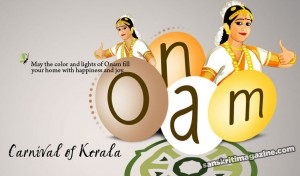
Late August or early September marks some high-spirited celebrations down south. People in the southern Indian coastal state of Kerala go crazy over the state

A long long time ago, an Asura (demon) king called Mahabali ruled Kerala. He was a wise, benevolent and judicious ruler and beloved of his


The 12 Jyotirlingas of Lord Shiva — where each stands, its sacred story, and how to make the Dwadasha Jyotirlinga pilgrimage in person or in spirit this Shravan.

The Rudrabhishek is the abhishekam said to please Lord Shiva fastest. What it is, the meaning of each sacred substance, the Sri Rudram, and how it is performed at home this Shravan.

Shravan runs July 30–Aug 27 in 2026, with four Sawan Somwars (Aug 3, 10, 17, 24). Why the whole month belongs to Mahadeva — the churning of the ocean, the poison He drank, and how to keep the Sawan vrat.

Thiruvonam 2026 falls on Wednesday, August 26 — the crown of Kerala’s ten-day festival. The Bhagavata story of King Mahabali and the Vamana avatar, and why Onam is a homecoming, not a defeat.
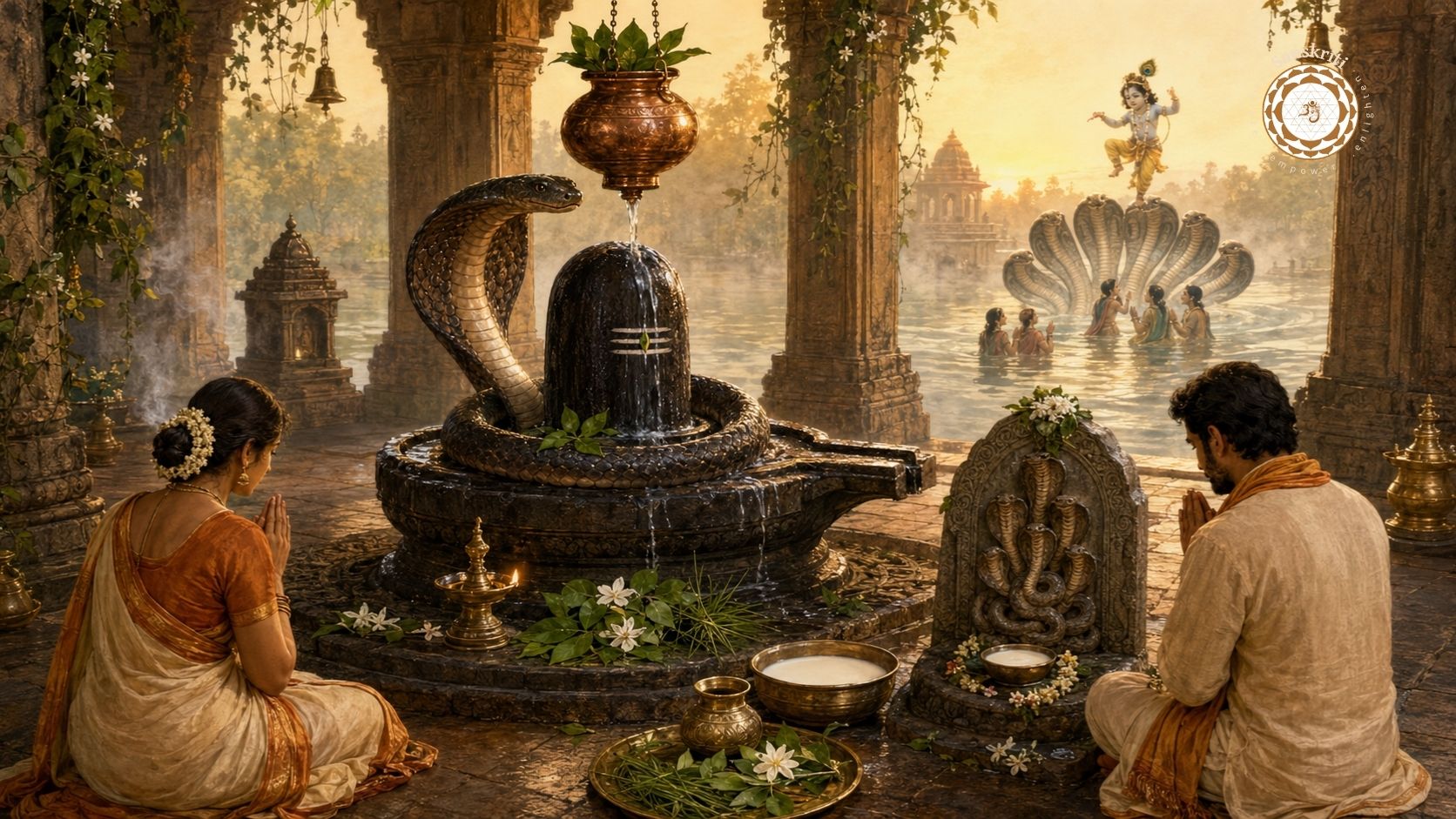
On Monday, August 17, 2026 — a Shravan Monday — Hindus offer milk and prayers to the serpent. The stories of Shesha, Vasuki, Kaliya and Astika, and the puja vidhi for Nag Panchami.

