
Indian police inspector wins UN’s international female peacekeeper award
An Indian police inspector has been named recipient of a prestigious international female peacekeeper award by the UN’s police division for her “exceptional achievements” in

An Indian police inspector has been named recipient of a prestigious international female peacekeeper award by the UN’s police division for her “exceptional achievements” in
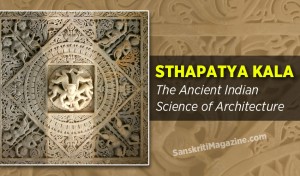
The Science of Architecture and Civil Construction was known in Ancient India as Sthapatya-Shastra. The word Sthapatya is derived from the root word Sthapana i.e.

The mind is a bundle of habits. Bad habits and prejudices hidden in one’s nature will necessarily be brought to the surface of the mind
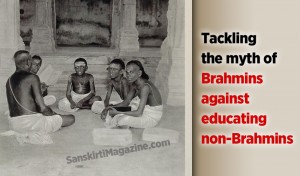
There is a general misconception among people that the so-called non-brahmins long ago were denied education and literacy by brahmins. Moreover, people think, albeit wrongly,

Nearly five months after banning cosmetic animal testing within the country, India has now also imposed a ban on importing such products that test on
The Vedas are not only meant for the performance of rituals, and are not only the property of Hindus. They offer great wisdom and knowledge


The 12 Jyotirlingas of Lord Shiva — where each stands, its sacred story, and how to make the Dwadasha Jyotirlinga pilgrimage in person or in spirit this Shravan.

The Rudrabhishek is the abhishekam said to please Lord Shiva fastest. What it is, the meaning of each sacred substance, the Sri Rudram, and how it is performed at home this Shravan.

Shravan runs July 30–Aug 27 in 2026, with four Sawan Somwars (Aug 3, 10, 17, 24). Why the whole month belongs to Mahadeva — the churning of the ocean, the poison He drank, and how to keep the Sawan vrat.

Thiruvonam 2026 falls on Wednesday, August 26 — the crown of Kerala’s ten-day festival. The Bhagavata story of King Mahabali and the Vamana avatar, and why Onam is a homecoming, not a defeat.
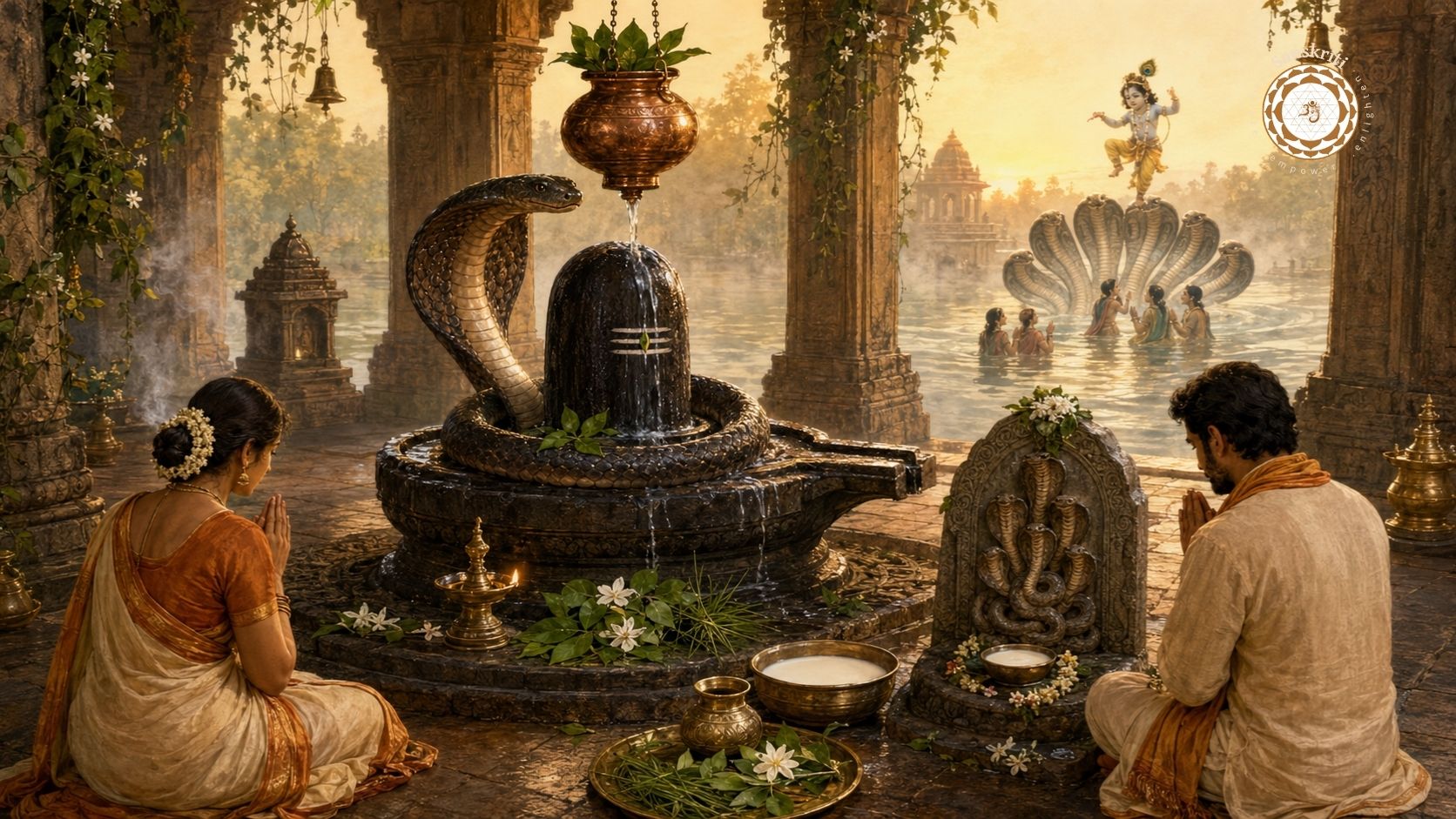
On Monday, August 17, 2026 — a Shravan Monday — Hindus offer milk and prayers to the serpent. The stories of Shesha, Vasuki, Kaliya and Astika, and the puja vidhi for Nag Panchami.

