Predictions of Kali Yuga in Srimad Bhagavatam
The present age of Kali-yuga is known as the age of deterioration, quarrel and hypocrisy. Srimad Bhagavatam has predicted the miserable nature of Kali-yuga in the following

The present age of Kali-yuga is known as the age of deterioration, quarrel and hypocrisy. Srimad Bhagavatam has predicted the miserable nature of Kali-yuga in the following
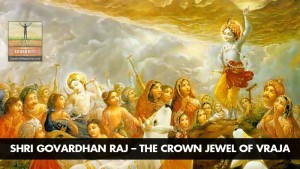
The Govardhan hill, more widely known as Giriraj ji in Vraja mandala, is considered as the topmost pilgrimage among the Krishna Bhaktas. As he is

Aarti is one of the most important aspect of prayers in Hinduism which symbolizes the removal of darkness by true spiritual enlightenment. It is performed

What was probably the first non-stop flight was made not from New York to Paris but from Ceylon to a place near modern Delhi, if

Protein gets a lot of attention, especially in a plant-based diet where the issue of complete and incomplete protein comes into play, along with protein per amount
The concept of Time in the Vedic concept is an extremely intriguing and astonishing theory that even surpasses modern science. Time has been measured from


The 12 Jyotirlingas of Lord Shiva — where each stands, its sacred story, and how to make the Dwadasha Jyotirlinga pilgrimage in person or in spirit this Shravan.

The Rudrabhishek is the abhishekam said to please Lord Shiva fastest. What it is, the meaning of each sacred substance, the Sri Rudram, and how it is performed at home this Shravan.

Shravan runs July 30–Aug 27 in 2026, with four Sawan Somwars (Aug 3, 10, 17, 24). Why the whole month belongs to Mahadeva — the churning of the ocean, the poison He drank, and how to keep the Sawan vrat.

Thiruvonam 2026 falls on Wednesday, August 26 — the crown of Kerala’s ten-day festival. The Bhagavata story of King Mahabali and the Vamana avatar, and why Onam is a homecoming, not a defeat.
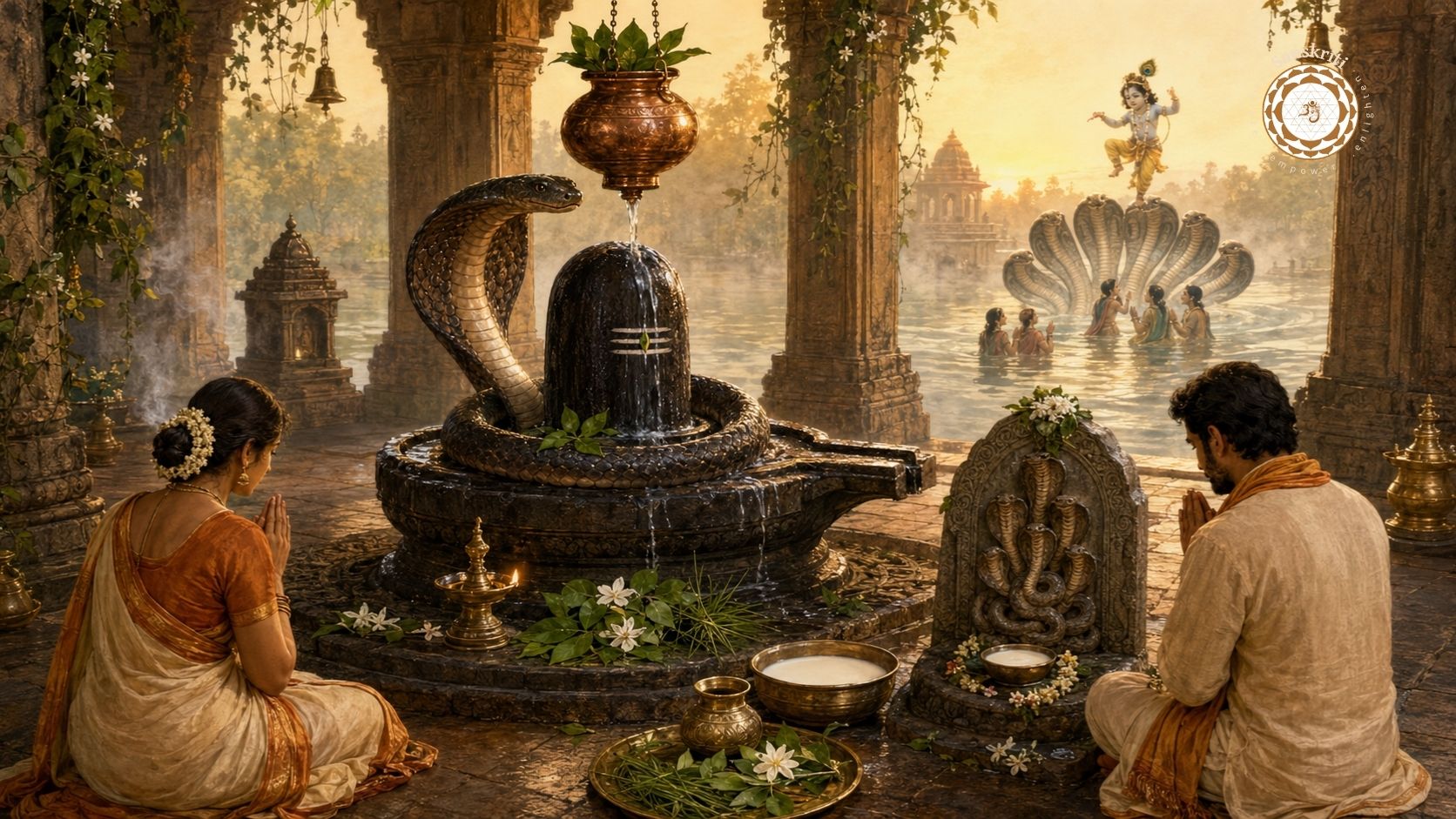
On Monday, August 17, 2026 — a Shravan Monday — Hindus offer milk and prayers to the serpent. The stories of Shesha, Vasuki, Kaliya and Astika, and the puja vidhi for Nag Panchami.

