IndianSanskriti
Zinc Production in Ancient India

Zinc Production in Ancient India

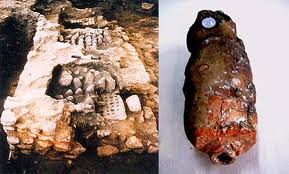
Ancient Zinc smelting furnaces found in India

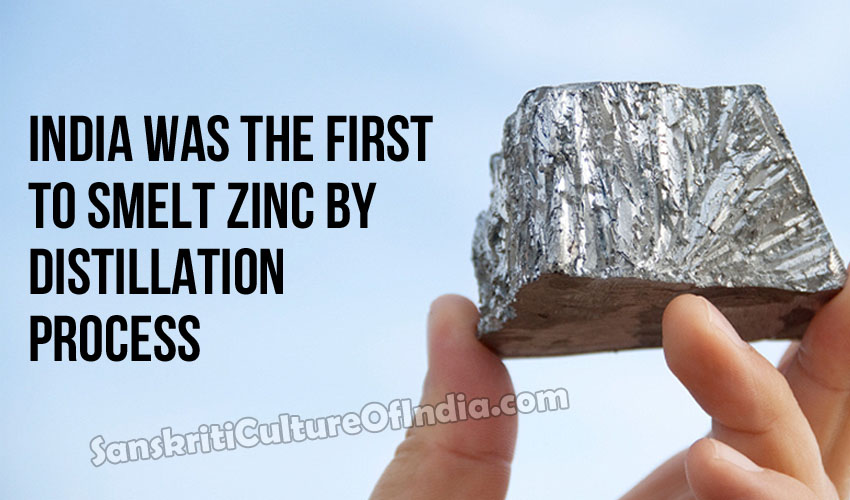
Zinc is a very interesting metal and was responsible for the innovation of utensils of mock silver and coins of mock gold. Because of the low boiling point (907°C) zinc is difficult to smelt. Brass (an alloy of copper and zinc) however is known from even 3rd Millennium BC in China, but brass can be produced from naturally occurring minerals containing zinc and copper. Pure zinc could be produced only after the mastery of distillation techniques, which have been described in our ancient chemical treatises. The mines of Rajasthan have given definite evidence of zinc production going back to 6th Century BC. Distillation process however was being used only from the 12th century AD, thus India is the first to produce zinc by distillation processes.

We are sure that the following story of early zinc production and lead about the ancient Indian chemists and metallurgists will be of interest to the students of history of science and technology.

Zinc is silvery white in colour, hard and brittle owing to its closely packed hexagonal crystal structure. In the 17th and 18th century Germans called this metal ‘Caunterfeitum’ or mock-silver because of its silvery white lusture. Its boiling point is 907°C. The main minerals of zinc in nature are calamine and sphalerite and mostly these occur in combination with the minerals of copper, lead, silver and iron. There is confusion about early occurrence of zinc and its extraction by the distillation process. The regular zinc production by distillation started in India around 12th century AD and in China it is not earlier then 16th century AD. As early as the 12th century AD, India produced the metallic zinc by the sophisticated distillation process at Zawar in Rajasthan.
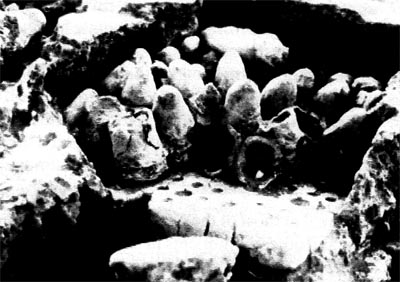
Ancient Zinc smelting furnaces found in Zawar, India

This technology of zinc manufacture is also described in several Indian alchemical works of the medieval period including the 13th century Rasa Ratna Samuccaya. The word used in this document to describe the distillation process involved is tirakpatnayantra, which translated literally, means “distillation by descending”. Various zinc-smelting processes were also described in the Sanskrit works of medicinal chemistry and alchemy, viz., Rasarnavam Rastantram (500-100 BC), Rasratnakar (2nd century AD) and Rasprakash Sudhakar (12th century AD). In China zinc was first reported in the 16th century by the excavation in Gui-Zhan region of Yun-han, but the new research by the Chinese scholars gives a clear indication that zinc smelting began in China in the Jiajung period (1552-1566 AD) of the Ming dynasty. In 17th century China exported zinc to Europe under the name of totamu or tutenag. Tutenag possibly has its origin in the word Tutthanagaa meaning zinc in South Indian languages.


~By D.P. Agrawal & Lalit Tiwari
You may also like

Search the website

Like us on Facebook

Get daily updates via Email

Enter your email address:

Recent Posts

Jamai Shashthi 2026 — The Story of Maa Shashthi, the Cat, and the Wife Who Was Forgiven

Jamai Shashthi 2026 — The Story of Maa Shashthi, the Cat, and the Wife Who Was Forgiven

On Saturday, June 20, 2026, Bengali households across Bharata will welcome their married daughters and sons-in-law home for the legendary jamai-aador feast and perform the Shashthi Vrata. But behind the warmth lies a story most Bengalis know by heart and most non-Bengalis have never heard — the wife who stole the hilsa, blamed the cat, lost six sons to Maa Shashthi’s wrath, and was finally forgiven. The Vrat Katha, the vidhi, the mantras, and the deeper teaching.

Vat Purnima 2026 — The Wife Who Argued Yama Into Returning Her Husband’s Life

On Monday, June 29, 2026, women across Maharashtra, Gujarat, and southern Bharata will tie red thread around banyan trees and hear the story of Savitri — the wife who walked behind Yamaraja Himself when He came for her husband, and out-argued the Lord of Dharma into returning Satyavan’s life. The Mahabharata’s Pativrata Mahatmya Parva, the vrat vidhi, and why the banyan witnessed everything.

Nija Jyeshtha 2026 — The Real Jyeshtha Begins, and the Calendar Resumes

Nija Jyeshtha 2026 — The Real Jyeshtha Begins, and the Calendar Resumes

With Adhik Maas now closed on the Somvati Amavasya of June 15, the long-postponed festivals of Jyeshtha return — Vat Purnima (June 29, the Savitri-Yamaraja katha), Jamai Shashthi (June 20, the Bengali festival of Maa Shashthi), Sankashti Chaturthi (June 28), Yogini Ekadashi (July 10), and Devshayani Ekadashi (July 16, opening the four-month Chaturmas of Bhagavan Vishnu’s yoga-nidra). A guide to what the next four weeks hold and what the household that kept Purushottam Maas now carries forward.

The Closing of Purushottam Maas 2026 — Adhik Amavasya and the Sealing of the Month-Long Vrat

On Monday, June 15, 2026 — a rare Somvati Amavasya — the intercalary month that bears Bhagavan Vishnu’s own name comes to its close. The Acharyas teach that a vrat is not measured by its duration but by its closing. Here are the Padma Purana’s instructions for sealing the month-long Purushottam Maas vrat: the morning snan, the closing puja with the Vishnu Sahasranama, the day of dana, the Somvati Amavasya gift, and the final sarva-arpana — the offering of all merit at the feet of the Lord.

Parama Ekadashi 2026 — The Other Rare Ekadashi of Purushottam Maas, and the Poor Brahmin Who Kept It

Two weeks ago, Vaishnavas across Bharata kept Padmini Ekadashi — the rare Shukla Paksha Ekadashi of Adhik Maas. Padmini has a twin. On Thursday, June 11, 2026, the Krishna Paksha Ekadashi of the same intercalary month appears: Parama — the Supreme Ekadashi. The Padma Purana names it the rarer and more secret of the two, and reserves it for those whose poverty or sorrow has refused to lift in spite of every other vrat already kept. The story of Sumedha and Pavitra of Kampilya, the rishi Kaundinya, the prince sent by Bhagavan Brahma — and the vidhi for the day.

css.php