[hr]
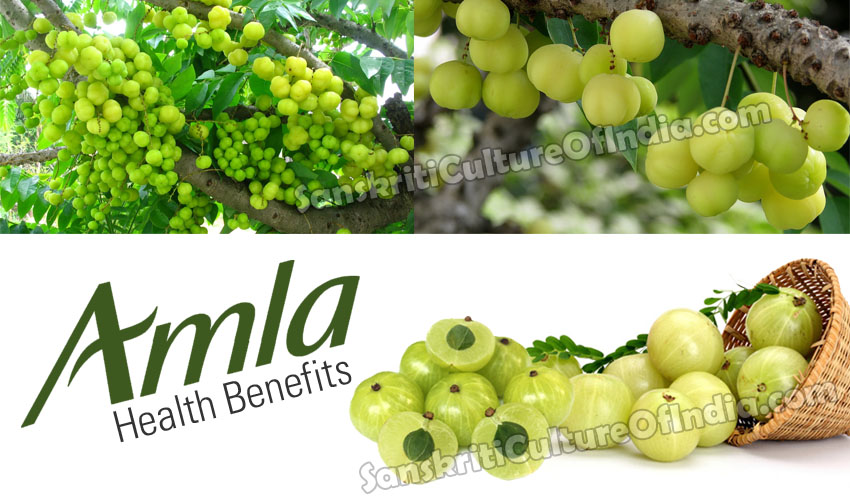
One of the most important fruits in Ayurveda, the fruit grows well in a warm climate. It is known to be a rich source of Vitamin C. So much so, that one small amla has as much Vitamin C as 2 medium oranges. Packed with compounds like polyphenols, minerals like Iron and zinc and vitamins like Carotenes and Vitamin B complex, amla can definitely keep a number of diseases at bay. Here are a few benefits of this amazing fruit:
Acts as an antioxidant: Rich in Vitamin C and polyphenols, amla is a great source of antioxidants. Research has shown that it has a high content of tannins, which when combined with polyphenols gives the fruit a unique free radical scavenging property. This unique asset helps reduce the damage caused by free radicals on the body.
Protects your heart: Amla is known to reduce cholesterol, and keep heart disease under check. Rich in fibre and iron, it is very effective in controlling the oxidation of LDL (Low density lipoprotein). Oxidation of LDL releases free radicals which are known to cause coronary artery disease, therefore stopping this oxidation is essential for preventing heart disease. Amla also helps to maintain cholesterol levels by inhibiting the oxidative properties of a chemical called thiobarbituric acid (TBA) that induces LDL oxidation. Another benefit of this wonder fruit is that it prevents arthrosclerosis (accumulation of plaque in the arteries) thereby protecting you from heart disease.
Controls diabetes and its complications: Research studies show that the polyphenol- rich fruit actually has properties that can protect the body from the oxidative properties of high blood sugar. The same compound is also effective in preventing the insulin resistance caused due to a high fructose diet. What this means is that the fruit can actually assist in the proper absorption of insulin leading to a drop in blood sugar in diabetics. Read more about natural ways to control diabetes.
Reverses the ageing process: The extract of amla is rich in Vitamin A. This vitamin is essential in collagen production, a compound that keeps the skin looking young and elastic. Amla when consumed on an empty stomach has properties that slow down the degradation of collagen and helps the body produce more. Here aremore articles on healthy ageing.
Improves your sex life: In a recent study, it was found that the iron content in amla has sperm enhancing properties. Ayurvedic practitioners suggest, drinking amla juice once a day helps increase the virility as well as sexual vigour. Amla has also proven to increase the motility of sperm and increase sperm production in men suffering from Oligospermia (a condition where a man has a low sperm count). Here are some exercises that can help you to improve your sex life. Incorporate these lifestyle changes for a better sex life.
Protects you from cancer: Packed with antioxidant properties, amla has the potential to keep cancer at bay. Research into this particular property of the fruit, has found that it had the potential to prevent cancer by helping the body fight the harmful effects of chemicals that are carcinogenic. It also helps to inhibit the further growth of cancer affected cells. Apart from this, Amla extract can reduce the harmful effects of radiation andchemotherapy without reducing their beneficial effects as an anti cancer treatment. Here are food habits that can prevent cancer.
Gastric problems: The fiber, polyphenol and water content of amla combined with its anti inflammatory properties make it a great antidote for an upset stomach. Having one teaspoon of amla juice on an empty stomach can take care of acidity and resolve a stomach upset. Try these home remedies for acidity.
Soothes the throat: Amla juice mixed with some ginger provides instant relief from a sore throat and cough. Here are some tips to treat sore throat.
Protects your liver: Studies have proved that amla has properties that protect the liver from oxidative damage caused by chemicals or alcohol. So after a long night of partying, have a piece of amla first thing in the morning, to get rid of that hangover and keep your liver safe. Try these natural remedies to keep your liver healthy.
Being indigenous to India, amla is a real boon to the world of natural medicine. Amla powder is brown in colour and so is the juice. If you do plan to purchase either amla powder or juice, make sure you buy it from a trusted source. Adulteration could be dangerous.
~ Pavitra Sampath