IndianSanskriti

Why Swami Vivekananda’s Chicago Speech Still Resonates Today

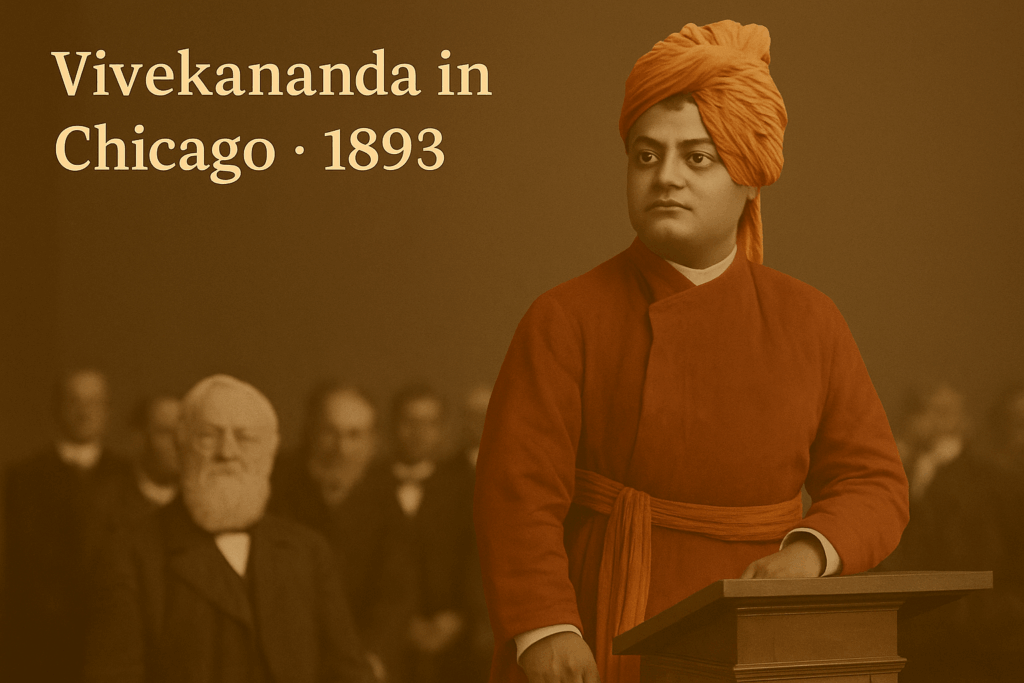
On 11th September 1893, Swami Vivekananda took the stage at the Parliament of World’s Religions in Chicago. Beginning with his now-immortal greeting, “Sisters and Brothers of America”, he captured hearts instantly. But beyond the applause and admiration, his words carried timeless truths that continue to guide humanity even today.

A Call for Tolerance and Unity
Vivekananda’s speech was rooted in India’s ancient ethos of Vasudhaiva Kutumbakam — the world is one family. In an age where divisions based on religion, race, and politics still plague societies, his call for universal brotherhood is as urgent as it was in 1893.

Respect for Diversity
He emphasized that no single religion holds a monopoly on truth. This message is vital in today’s polarized world, where intolerance often overshadows dialogue. His vision encourages mutual respect, coexistence, and celebrating diversity instead of fearing it.

Spirituality Beyond Rituals
Vivekananda reminded the world that true religion lies not in rituals but in service, compassion, and inner growth. In an era where materialism dominates, his philosophy offers balance — urging us to combine progress with deeper values.

Relevance for the Youth
For young minds, his words are a call to channel energy into building character, embracing fearlessness, and working for the greater good. At a time when confusion and distractions are high, Vivekananda’s vision is a compass pointing towards purpose.

Global Impact
In 1893, his speech opened doors for India’s spiritual heritage on the global stage. Today, in a hyper-connected world, it reminds us that dialogue and understanding across cultures are the only paths to peace.


132 years have passed, yet Swami Vivekananda’s Chicago address is not a relic of history — it is a living message. It invites us to rise above divisions, embrace harmony, and build a future where humanity thrives together. His words remain a lamp in a world that still seeks light.
You may also like

Search the website

Like us on Facebook

Get daily updates via Email

Enter your email address:

Recent Posts

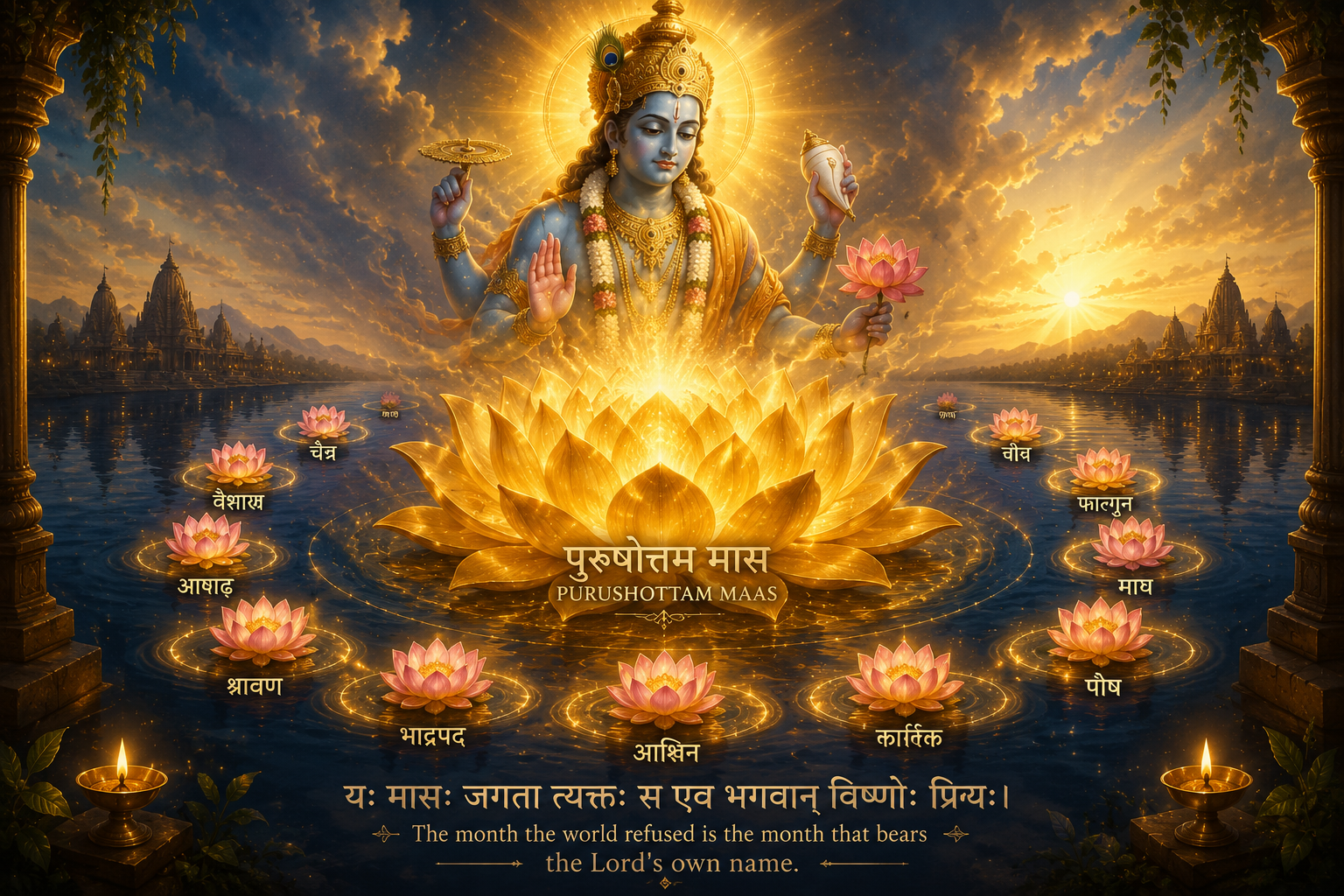
Purushottam Maas — The Month No Deity Would Claim, and the Lord Who Made It Supreme

Every month of the Hindu calendar has a lord — except the rare thirteenth, the Adhika Maas, born an orphan and shunned as the “impure month.” The Puranas tell how this rejected month went in grief to Bhagavan Vishnu, who claimed it, gave it His own name — Purushottam — and made it the most fruitful month of all. The origin story, the teaching, and what it means for Purushottam Maas 2026 (May 17 – June 14).

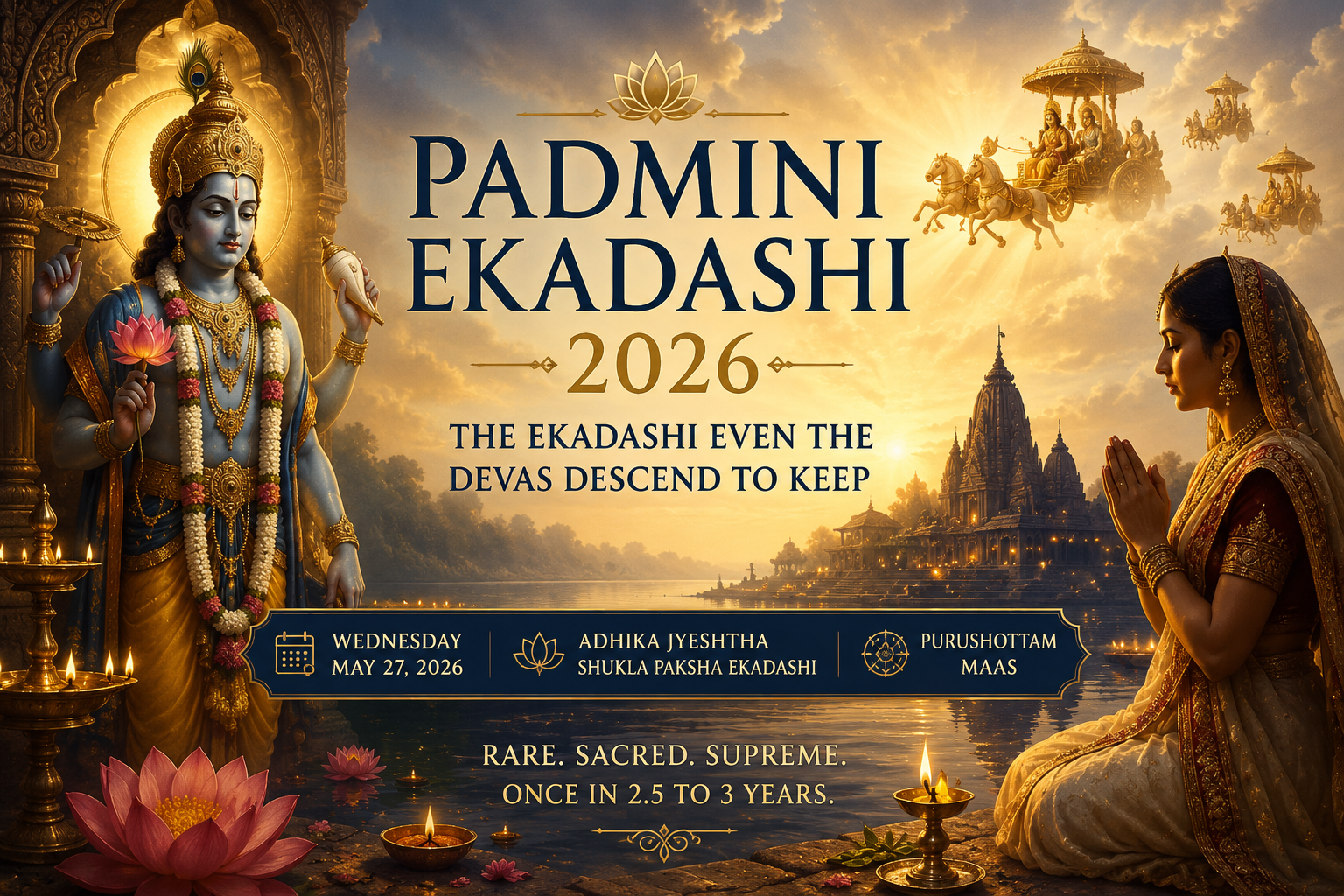
Padmini Ekadashi 2026 — The Ekadashi Even the Devas Descend to Keep

Padmini Ekadashi 2026 — The Ekadashi Even the Devas Descend to Keep

The rarest Ekadashi of the entire Hindu calendar is three days away. The Padma Purana preserves a conversation between Bhagavan Krishna and Yudhishthira about a single Ekadashi the great Rishis spend lifetimes waiting for — Padmini. The Vrat Katha of Queen Padmini of Mahishmati, the lotus teaching, and why May 27, 2026 is the morning Vaishnavas across Bharata are preparing for.

Varada Chaturthi 2026 — The Rare Ganesha Day of Purushottam Maas

Varada Chaturthi 2026 — The Rare Ganesha Day of Purushottam Maas

Once every 2.5–3 years — when the rare 13th month of Adhika Maas opens — a thirteenth Vinayaka Chaturthi appears. The Mudgala Purana calls it Varada Chaturthi, the “boon-giving” Chaturthi, and holds it as the most fruit-bearing Ganesha day of the entire calendar. Today, Wednesday May 20, 2026, is that day.

Padmini Ekadashi 2026 — The Rare Ekadashi That Comes Only in Purushottam Maas

Padmini Ekadashi 2026 — The Rare Ekadashi That Comes Only in Purushottam Maas

Padmini Ekadashi 2026 falls on Wednesday, May 27 — the Shukla Paksha Ekadashi of Adhika Maas, the rarest Ekadashi in the entire Hindu calendar (it appears only every 2.5–3 years). The Padma Purana conversation between Bhagavan Krishna and Yudhishthira, the Vrat Katha of Queen Padmini, complete vrat vidhi with jagrana, mantras, and the lotus symbolism that gives the Ekadashi its name.

Ganga Dussehra 2026 — The Day Maa Ganga Came Down to Bhagiratha

Ganga Dussehra falls on Monday, May 25, 2026 — commemorating the day Maa Ganga descended from Vaikuntha to the earth through the millennia-long tapasya of King Bhagiratha. The full account from the Valmiki Ramayana, snan vidhi, dana traditions, mantras, and the teaching of sustained sincerity.

css.php