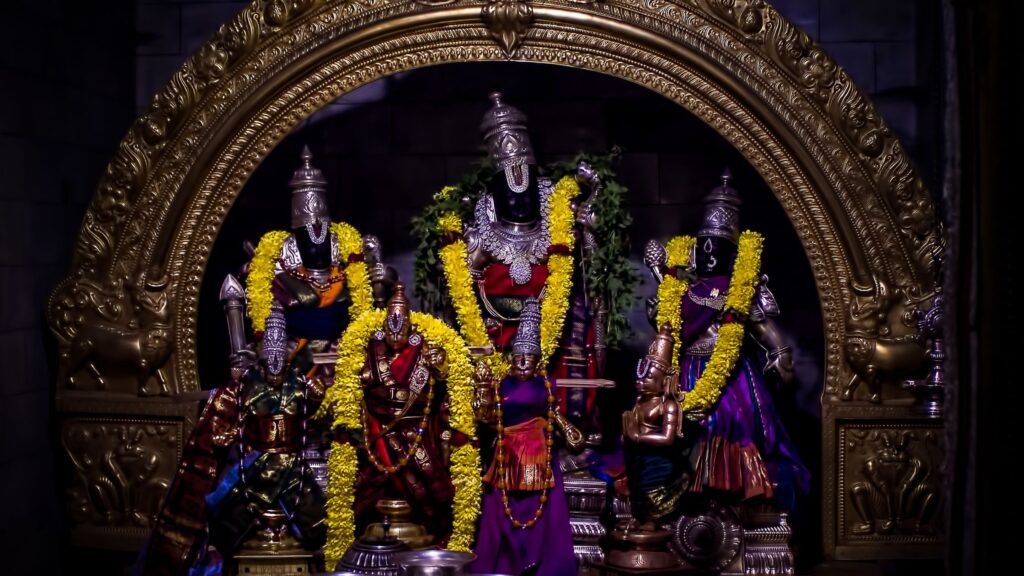
The story of Rama and Sita is not just a tale of love and devotion, but also a significant event in Indian history. The story is set in the Treta Yuga, which is believed to be the second age in Hindu cosmology, and is recorded in the epic Ramayana.
Historians suggest that the Ramayana was composed over a long period of time, with different versions and interpretations emerging in different regions of India. The earliest reference to the Ramayana can be found in the ancient Sanskrit text Brihadaranyaka Upanishad, which dates back to around 700 BCE. Over time, the story of Rama and Sita was adapted and retold in various languages and forms, including plays, poems, and novels.
While the Ramayana is considered a work of fiction, historians believe that the story may have some basis in history. Scholars suggest that Rama and Sita may have been real historical figures, who lived in ancient India and were later mythologized. The exact dates and events of their lives, however, are not well-documented and remain a subject of debate among historians.
Regardless of its historical accuracy, the story of Rama and Sita has had a profound impact on Indian culture and society. The values and principles embodied by Rama and Sita, such as devotion, righteousness, and the triumph of good over evil, have been a source of inspiration and guidance for generations of Indians. The story has been adapted and retold in various forms of art, including music, dance, theatre, and film, and has become an integral part of Indian popular culture.
The legacy of Rama and Sita continues to live on in modern India, with the story and characters still holding great cultural and religious significance. The celebration of Diwali, which marks the return of Rama and Sita to Ayodhya after their fourteen-year exile, is one of the most important festivals in India. The story of Rama and Sita is also a reminder of the enduring power of love and the strength of human values.
In conclusion, the story of Rama and Sita, while not entirely grounded in historical fact, is still a significant event in Indian history and culture. The values and principles embodied by the characters continue to inspire and guide people to this day, and the story remains an integral part of Indian popular culture. The enduring legacy of Rama and Sita is a testament to the timeless wisdom and inspiration that can be found in India’s rich history and culture.