Introduction
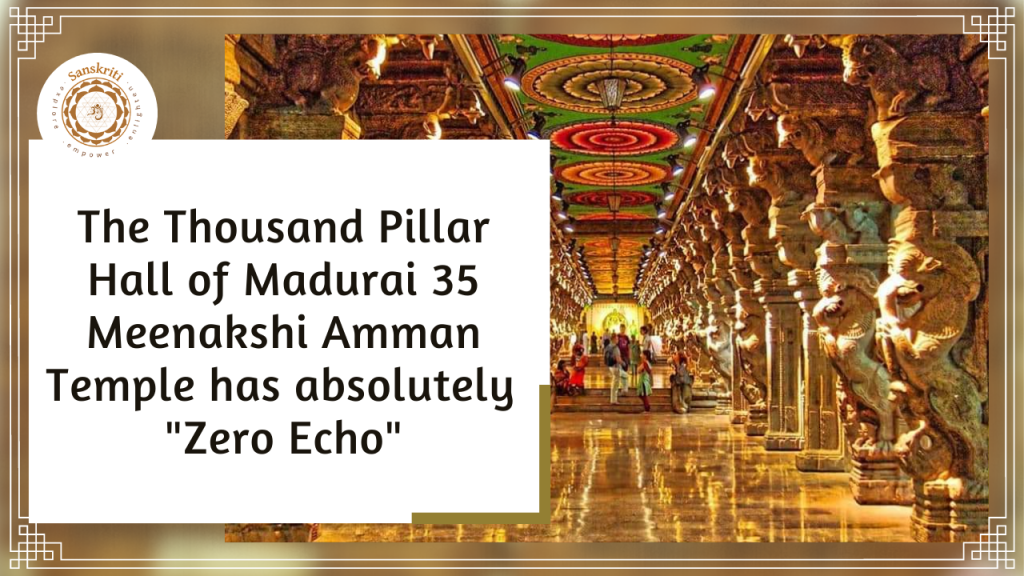
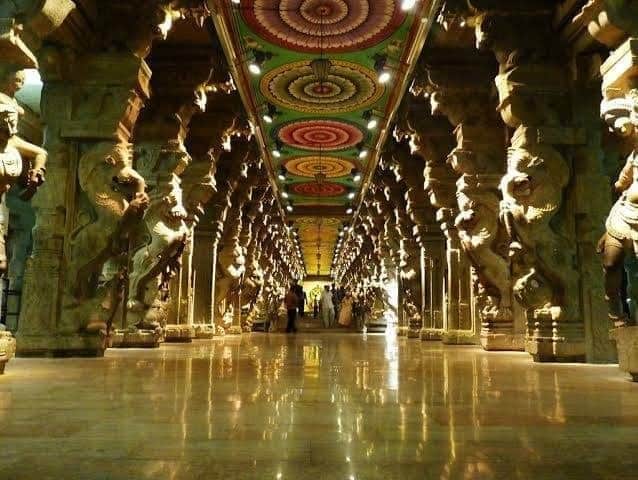
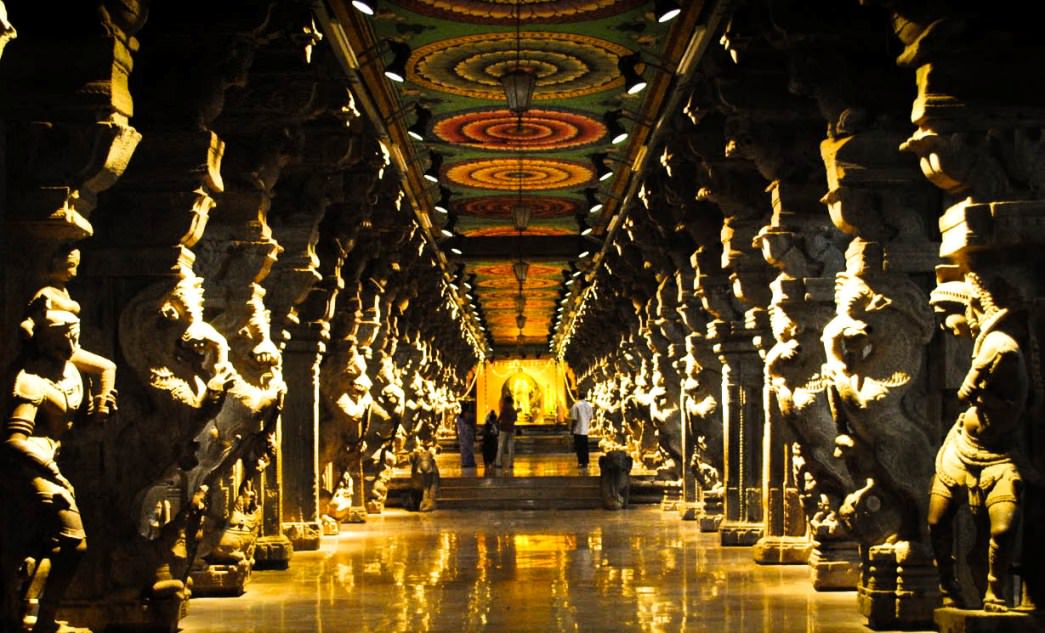
Visiting the Thousand Pillar Hall of Madurai 35 Meenakshi Amman Temple is an experience like no other.
The temple is one of the largest temple complexes in Tamil Nadu, South India. Considered by some as one of the most ancient structures on Earth (possibly 5000 years old), it was declared a UNESCO World Heritage Site in 1987.
The Thousand Pillar Hall of Madurai 35 Meenakshi Amman Temple has absolutely
The Thousand Pillar Hall of Madurai 35 Meenakshi Amman Temple has absolutely zero echo, which means you can whisper or even shout without being heard.
The temple’s pillars are arranged in rows of five and they have intricate designs carved on them. The pillars are made of granite and have images of Lord Shiva, Lord Vishnu and Goddess Kali carved on them along with other deities too.
The hall was built during the reigns of Chola king Rajendra I (1014 – 1044 CE) and his son Rajendra II (1054-1118 CE). The hall was built by King Raja Raja Cholan (985 – 1013 CE), who started building the complex in 985 CE but died before completing it.
“Zero Echo”
Zero Echo
The Meenakshi Amman Temple is a Hindu temple dedicated to Meenakshi and her consort, Sundareshwara. It is the oldest known structure in Madurai and has been dated to 6th-century BCE by AB Sankara Varier. The temple is also one of the largest temple complexes with an area of 82 acres (33 ha) which includes a 2-acre (8,100 m2) tank called Kandhari Koil Lake, a garden with rare medicinal plants and trees, extensive streets lined with shops selling traditional crafts and jewellery. Considered by some as one of the most ancient structures on Earth, this monument has been declared as part of a UNESCO World Heritage Site under Criterion A for its significance in religious architecture.
Oldest known Temple in India
Madurai Meenakshi Amman Temple is the oldest temple in India and is dedicated to Goddess Meenakshi (the goddess Parvati), who chose Madurai as her abode. The temple has been built on a small hillock called Pottramudivu (meaning Hill of the Holy Basil) and resembles Tirupati Balaji Temple very closely. The temple is believed to have been built in 7th century CE by the Chola kings, who were great patrons of art, culture and religion during their reigns.
The history of Madurai Meenakshi Amman Temple goes back to more than 6000 years when it was said that Lord Shiva got married with Goddess Parvati here, hence this place became a sacred land for Hindus. During those days all kind of religious ceremonies used to happen here but unfortunately most of them were destroyed by Muslim invaders during their destructive invasions from 13th century onwards till 1564 CE when Vijayanagar kingdom came into existence protecting people from such attacks on temples as well as other places where Indians lived peacefully together before independence from Britain in 1947 CE
One of the largest temple complexes in Tamil Nadu, South India.
One of the largest temple complexes in Tamil Nadu, South India. It is one of the most visited tourist attractions in Madurai city. The temple is dedicated to Meenakshi (Parvati) and her consort Sundareshwara (Shiva).
Considered by some as one of the most ancient structures on Earth (possibly 5000 years old)
The temple is thought by some to be one of the oldest structures on Earth, dating back as far as 5000 years. It was built in a style that was prevalent at the time and has been described by some as ‘the most ancient structure on Earth’. It’s also thought to be the oldest structure in India and may very well be one of the oldest buildings in existence, period.
In 1990, UNESCO declared the temple a heritage site and it became part of the UNESCO World Heritage Site known as the “Great Living Chola Temples”, along with the Brihadeeswara Temple at Thanjavur, the Airavatesvara temple at Darasuram.
- In 1990, UNESCO declared the temple a heritage site and it became part of the UNESCO World Heritage Site known as the “Great Living Chola Temples”, along with the Brihadeeswara Temple at Thanjavur, the Airavatesvara temple at Darasuram.
Visiting this temple is an experience like no other.
Madurai Meenakshi Amman Temple is a UNESCO World Heritage Site, National Heritage Monument and State Monument. In addition to this, it is also a District Monument, Municipal Monument and Village/Townscape of Madurai.
Conclusion
This temple is definitely worth the visit. It’s not easy to get to, but there are plenty of tour operators in Madurai that can help you out with this, and make sure you have a safe journey!