IndianSanskriti
Sultan Ghari Tomb: India's first Islamic Mausoleum was an ancient Hindu Temple

Sultan Ghari Tomb: India’s first Islamic Mausoleum was an ancient Hindu Temple

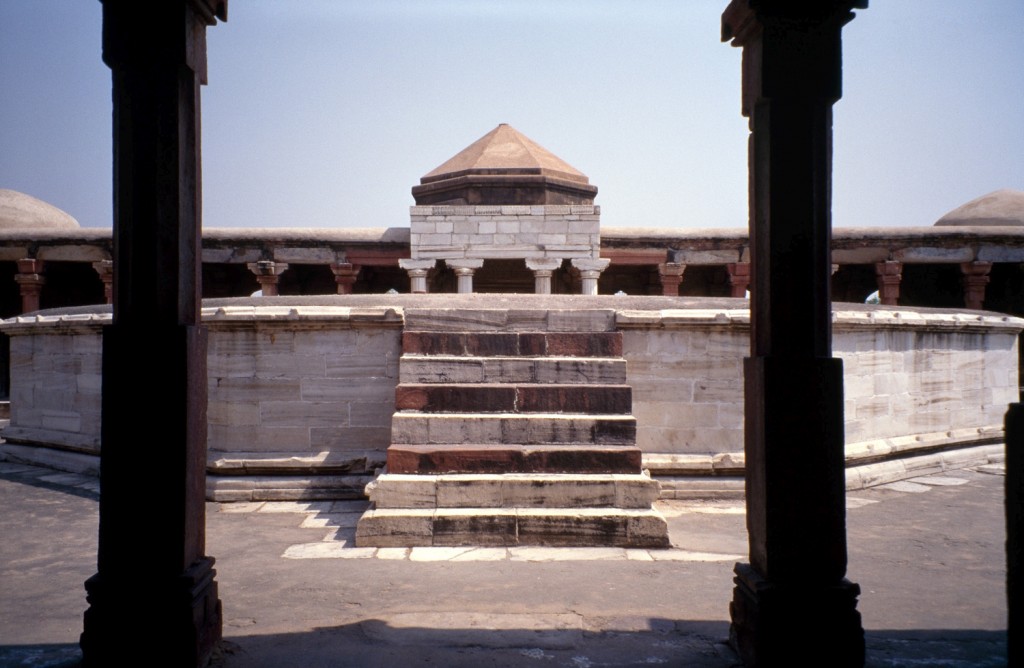
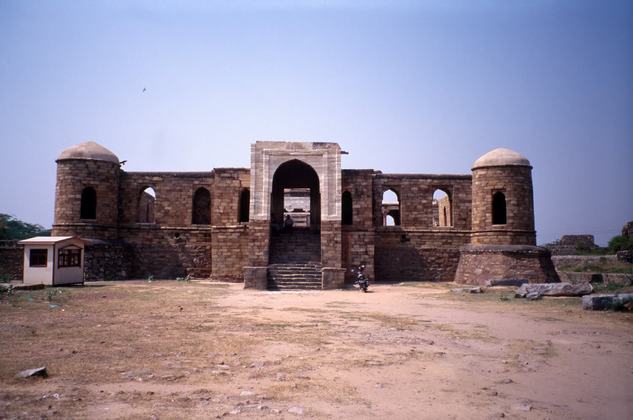
About 6 km west of Qutab Minar in Delhi, there lies a tomb called Sultan Ghari which is believed to be the final resting place of Prince Nasir’ud-Din Mahmud, the uncrowned eldest son of Sultan Shamsuddin Iltutmish of the Slave Dynasty built in 1231 AD.  It was the first Islamic Mausoleum built in India.  

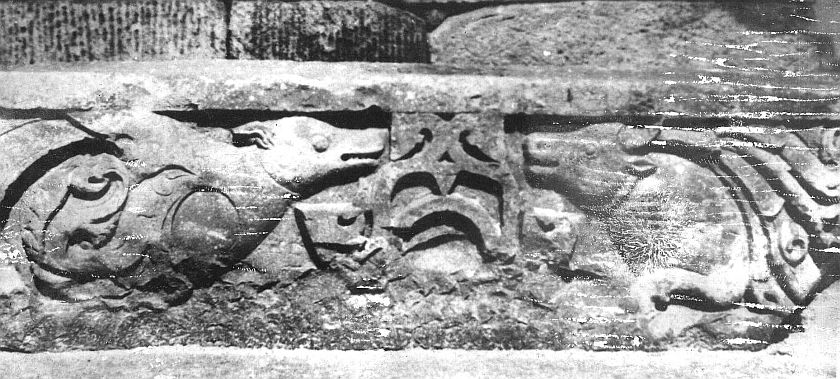
However, engraved symbols of animals, Shiva Linga and the Sanskrit inscriptions on ceiling tell a different tale altogether.  The beams of the octagonal crypt bear figures of Kamadhenu, the celestial cow and Varaha, the wild boar reincarnation of Lord Vishnu.  These two animals were a royal Hindu insignia and considering the ideology of Islam against idols and the immense hatred towards pigs, it is very unlikely that such statues would adorn the inside of a Muslim tomb.

Iltutmish invaded eastern part of India in 1225 AD which resulted in signing of a treaty between him and Iwaz Khalji, the ruler of Eastern India.  After a few successive battles, Prince Nasiru’d-Din Mahmud was appointed governor of Lakhnauti province who later merged the province of Oudh with Bengal and Bihar, gaining him the title of “Malik-us-Sharq” (King of the East) by his father.

The Prince was killed in 1229 AD after a very short rule of 18 months.  Grieved by the death of his favourite son, Iltutmish commissioned the Sultan Ghari Tomb.  After Iltutmish’s death in 1236, his daughter, Razia Sultana ruled the kingdom until her defeat and death in 1240 AD.

While ASI is pretty much silent on this matter, historians and archaeologists justify these carvings as new buildings being fashioned out of the debris of some Hindu buildings or that the workmen may have been Hindus and would have built the tomb in Hindu style.  Their arguments in favour of the tomb fail here because no building worth its name can be build out of old debris and no workman would even dare to fashion a building for which he is hired according to his taste rather than that of the owner’s. 

The building is also of an octagonal shape which is another Hindu speciality. 

Due to indifference or perhaps purposeful negligence by the government and ASI, we may never know the reality and history of this ancient Hindu temple. 
Sultan Ghari

Sultan Ghari

Sultan Ghari

You may also like

Search the website

Like us on Facebook

Get daily updates via Email

Enter your email address:

Recent Posts

Yogini Ekadashi 2026 — The Yaksha Who Missed the Morning Flowers, and the Ekadashi That Undid His Curse

On Friday, July 10, 2026, the rare Krishna Paksha Ekadashi of Nija Ashadha arrives. The Padma Purana tells the story of Hemamali — the Yaksha gardener of Bhagavan Kubera in Alaka, whose single morning of distraction with his wife Vishalakshi cost him his form, his wife, and his celestial city. Cursed to wander the earth of Bharata as a leper for a long time, he was at last shown the way back by Sage Markandeya — a single sincere keeping of Yogini Ekadashi.

Jamai Shashthi 2026 — The Story of Maa Shashthi, the Cat, and the Wife Who Was Forgiven

Jamai Shashthi 2026 — The Story of Maa Shashthi, the Cat, and the Wife Who Was Forgiven

On Saturday, June 20, 2026, Bengali households across Bharata will welcome their married daughters and sons-in-law home for the legendary jamai-aador feast and perform the Shashthi Vrata. But behind the warmth lies a story most Bengalis know by heart and most non-Bengalis have never heard — the wife who stole the hilsa, blamed the cat, lost six sons to Maa Shashthi’s wrath, and was finally forgiven. The Vrat Katha, the vidhi, the mantras, and the deeper teaching.

Vat Purnima 2026 — The Wife Who Argued Yama Into Returning Her Husband’s Life

On Monday, June 29, 2026, women across Maharashtra, Gujarat, and southern Bharata will tie red thread around banyan trees and hear the story of Savitri — the wife who walked behind Yamaraja Himself when He came for her husband, and out-argued the Lord of Dharma into returning Satyavan’s life. The Mahabharata’s Pativrata Mahatmya Parva, the vrat vidhi, and why the banyan witnessed everything.

Nija Jyeshtha 2026 — The Real Jyeshtha Begins, and the Calendar Resumes

Nija Jyeshtha 2026 — The Real Jyeshtha Begins, and the Calendar Resumes

With Adhik Maas now closed on the Somvati Amavasya of June 15, the long-postponed festivals of Jyeshtha return — Vat Purnima (June 29, the Savitri-Yamaraja katha), Jamai Shashthi (June 20, the Bengali festival of Maa Shashthi), Sankashti Chaturthi (June 28), Yogini Ekadashi (July 10), and Devshayani Ekadashi (July 16, opening the four-month Chaturmas of Bhagavan Vishnu’s yoga-nidra). A guide to what the next four weeks hold and what the household that kept Purushottam Maas now carries forward.

The Closing of Purushottam Maas 2026 — Adhik Amavasya and the Sealing of the Month-Long Vrat

On Monday, June 15, 2026 — a rare Somvati Amavasya — the intercalary month that bears Bhagavan Vishnu’s own name comes to its close. The Acharyas teach that a vrat is not measured by its duration but by its closing. Here are the Padma Purana’s instructions for sealing the month-long Purushottam Maas vrat: the morning snan, the closing puja with the Vishnu Sahasranama, the day of dana, the Somvati Amavasya gift, and the final sarva-arpana — the offering of all merit at the feet of the Lord.

css.php