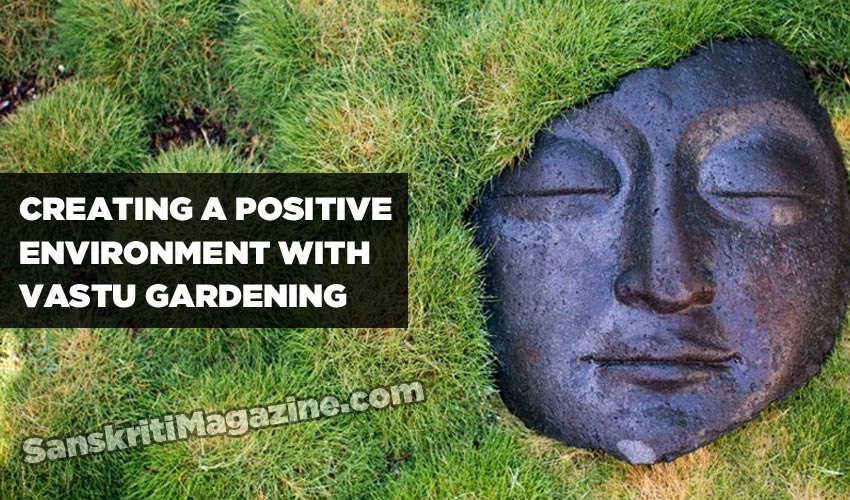
In today’s stressful society we are looking the ways to improve the quality of our lives. Stepping into the garden is a wonderful way to relax and restore inner peace. Art is also useful in reducing stress because it draws us to our outer sides. And if it’s good art, the contemplation of it enables us to look at the world with new eyes. Bringing the two together, placing art in the garden, can be a magical combination to create a better environment to contemplate and enjoy art. It adds sensory stimulation visually through colour and form or through texture. Art can also provide movement and sound by incorporating the natural elements.
A house with well planned flowering plants not only enhances the aesthetic beauty of the place, but contributes considerably to our environment. Flowering house plants are not only restricted to residences. There is tremendous scope in the use of these flowering plants in beautifying small houses, gardens, offices, public buildings and hotels. Climbers play a large and important role in the field of ornamental horticulture. In India we have a number of beautiful flowering climbers which are eye catching.
Vastu in garden
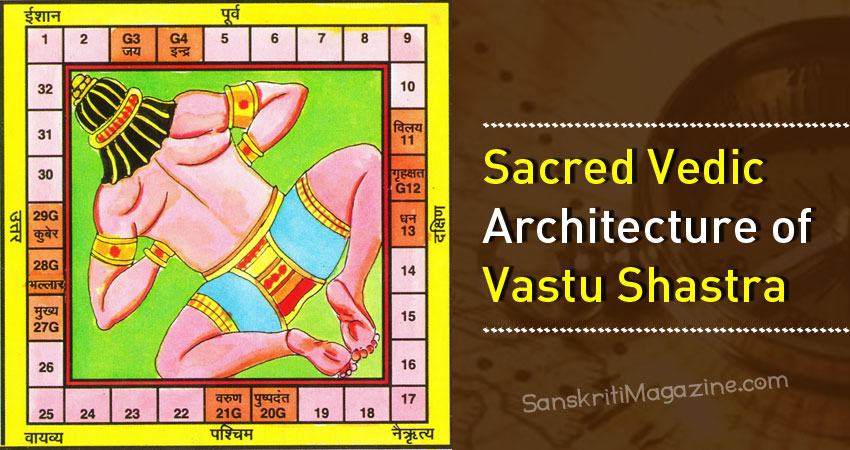
The practicing of Vastu Shastra, in modern urban houses, has been described by residents of these vastu oriented structures as – protecting them from distressing events. They remain peaceful and pass comparatively better healthy and wealthy lives. Vastu concepts regarding the plants and their plantation must be kept in mind so as to make your home not just superficially beautiful, but also Vastu-oriented.
As a general rule, gardens in homes or factories should always be in the North or West and within the confines of the compound. The South-East and South-West are not to be selected for any kind of garden or plantation. In this day and age of flats and multi-storeyed structures, Ashok, Kanakchampa, Ashaphala, Smabhaloo and Coconut planted within the campus in the North and West is favourable.
Here are a few simple vastu suggestions for planting various varieties of foliage for gardens within the house limits:-
- A Basil plant is a very positive influence within the limits of a house.
- A Basil plant is a very positive influence within the limits of a house.
- Bilva, Madhuka and Peepal are very favourable on the West of the house limit.
- Udumbara (Goolar) and Panas are favourable towards the South of the house limits.
- Kanakchampa, in the North brings virtues and wealth.
- Coconut and Banana plants within house limits are very favourable, with respect to mental peace and health.
- A water pond in a favourable direction with Lotus is very favourable.
- The entertaining unit for the children is recommended towards the North-West of the garden. As far as possible plantation should be avoided in the East, North, South-East, South-West, North-West corners should be plant free. Gardens in the South-East and South-West cause tensions. In particular, large or tall plants should never be planted towards the East or North.
- No large plant should be planted exactly in the centre of a site.
- There must not be any Palash, Kanchana, Sleshmataka, Arjun and Karanj plants within the house limits. If they are already present, then balance them by planting Ashok, Nirgundi and Sudarshan plants in the appropriate directions.
- Thorny succulent plants must not be grown within the house limits. Cacti are considered very dangerous and harmful for a residential unit. They purport to bring tensions and create fractious relationships. If you keep them, it is preferable to keep it separately, and out of house limits.
- The Ber plant should not be cultivated within the house limits. It increases enmity. Plants of Bamboo should never be grown within the house limits.
- Climbers within the house limits should be grown vertically, climbing or horizontally trailing. Indoor climbers should also follow this condition.
- If a garden is present in the centre of the house limit, it must not have any fountain in the centre.
- A swimming pool in the centre, towards the South, South-East or South-West and even the North-West creates undue events. It brings negativity in the health of the residents. A swimming pool is favourable in the East, North or even in the West.
- The fountains or water ponds within a house limit should not be built in the centre and should follow the same principles as the placement of swimming pools. Placed wrongly they cause problems with respect to mental peace and health.
- Fountains or ponds are very favourable towards the North-East. This is also applicable to artificial springs.
- Huge, heavy statues or other exhibits are favourable towards the South-West, South or the West.
~ by Dr. Prem Kumar Sharma, resident astrologer of Hindustan Times and Vastu consultant, has authored many books including ‘A Comprehensive Book on Vastu’ and ‘Cultivate Your Relationship the Vastu Way’.