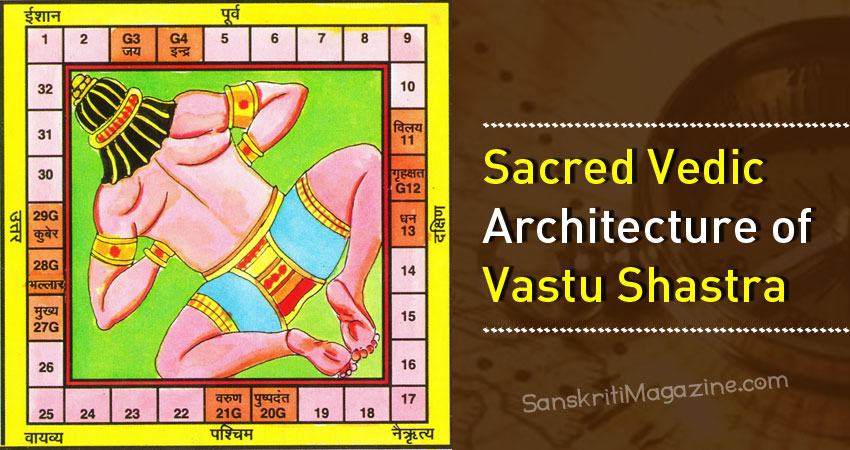
In India, Vastu Shastra is considered a sacred science that helps people live a stress-free life. According to Vastu, each direction has its own unique characteristics that get imparted to the various rooms of the house in those directions. Relying on Vastu for living in perfect harmony and keeping problems at an arm’s length is even more important for the bedroom, where one retires to escape from the worries of the world and have a tension-free sleep. Thus, bedrooms also acquire Vastu characteristics to ensure harmony in the house.
Vastu Tips for Bedroom
A bedroom in the North :
This is the ideal direction for young couples and also for storing valuables, important papers, cash, jewellery etc.
A bedroom in the North East :
This direction should not have any bedroom since it is the sacred space of the house.
A bedroom in the East :
The direction is ideal for unmarried children.
A bedroom in the South East :
The direction is not recommended for having bedroom since it is the quadrant of fire and imparts a hot temperament to those occupying it. It also leads to constant quarrels between couples and incures excessive expenditure. Children staying in this direction do not take interest in their studies and finds it difficult to get a sound sleep.
A bedroom in the South or South West :
The direction is ideal for having master bedroom and should be occupied by the head of the family. It should be larger than the other rooms. In case of a multi storeyed building, this room should always be on the top floor.
A bedroom in the West :
The direction is ideal for students. However, it increases the probability of birth of a larger number of girls in the family.
A bedroom in the North West :
The location is the best for newlywed couples.
Vastu Guidelines for Bedroom
Let us also explore the basic Vastu guidelines that have to be followed, in case of the bedroom:-
- Vastu Shastra does not recommend a bedroom in the South East under any circumstances. It is best to shift from this room to any other room in the South West, South, West or North West. In case there is no choice, keep the bed away from the southeast corner or you will be sleeping on too much fire. Sleep in this room with your head towards the South and feet towards the North to ward off the ill-effects.
- Vastu Shastra allows attached bathrooms towards the West or North of the bedroom. However, some suggest locating it towards the East, southeast, North or northwest of the bedroom. The door of an attached bathroom should always remain closed.
- The ideal colors for the walls of the bedroom are light shades of rose, blue and green. The master bedroom and the guest room should be painted in different hues of blue for a good sleep. Marble stone should not be used in the bedroom of the newly married couple.
- You can decorate the walls with attractive wall hangings or pictures that bring pleasure since this is what you will see the first thing in the morning when you wake up!
- The correct placement of furniture in the bedroom makes one feel at home. Vastu suggests that since bedrooms normally have heavy objects like beds, cupboards etc, they should be placed in the South, South West or West direction of the room. If possible, avoid beds in the centre of the room.
- According to Vastu Shastra, mirrors should not be located inside the bedroom as this leads to frequent misunderstandings and quarrels between couples. However, if essential, place them preferably along the North East wall.
- It is best to sleep with the head towards the South or East direction of the bedroom. The South brings a good deep sleep and ensures long life, while the East brings enlightenment. There should be no window behind you, while sleeping.
~ Dr. Prem Kumar Sharma, resident astrologer of Hindustan Times and Vastu consultant, has authored many books including ‘A Comprehensive Book on Vastu’ and ‘Cultivate Your Relationship the Vastu Way’.