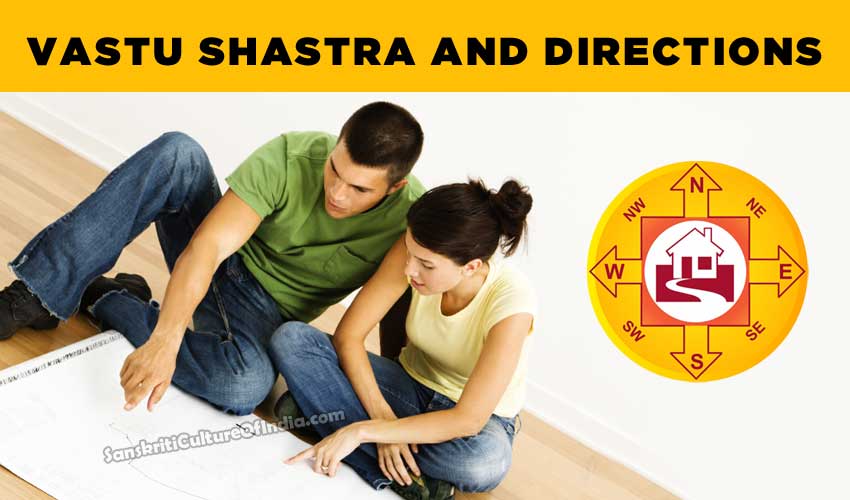
The East in Vastu Shastra
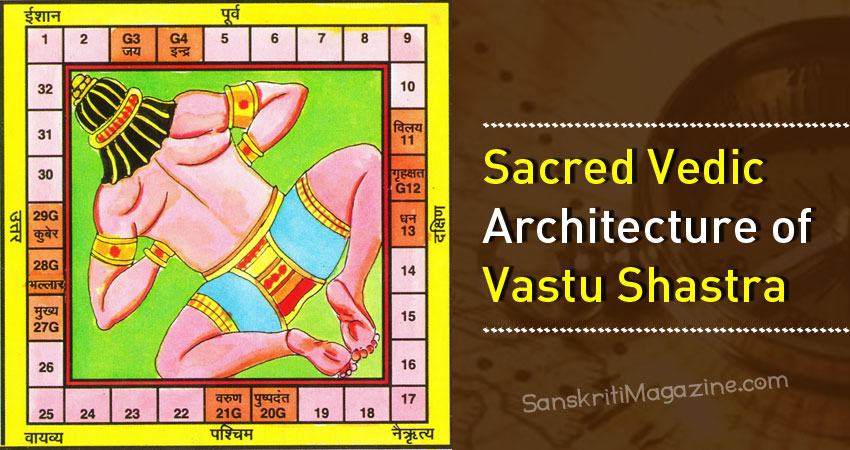
Indra is the lord of the East. He is a God of wealth. He is a Rajbhogh. He enjoys good positions and power. He enjoys all the eight types of wealth and prosperity. If the site has excess of the eastern side, the owner of the house will have male progeny. If the site has excess of land this side and the ground is low, the following results take place:
If this side is less or it has any bad shape and is high, the progeny will have deformity and sometimes they die a premature death and the dwellers lose their comforts and face losses in life. The side is the place of Ravi.
The Agneya (South East corner) in Vastu Shastra
Agnihotra is the lord of this corner. Anger, theft, debauchery/ erueIty and ill-will, triviality are the qualities of this lord. He always quarrels with others.
If the house has excess of land this side and the ground is low, the dwellers will fall into debts. They suffer from poverty, may get their children die prematurely. They have bitter experiences such as sorrow and they will have bad results on the whole.
If Agneya is less, it yields to good results. They will have peace, serenity will not get into disputes etc. They will have wealth. Sukra lives this side.
The South in Vastu Shastra
Yama is the lord of this side. Yama is the slayer. He is responsible for physical deformity ill-health, death, poverty etc. The owner is generally dominated by his spouse. He loses wealth. If this side extends or has curves and is low, it yields to Vyadha or dukha and evil results. If the land this side is considerably high, the dweller of (he house gets good results. Kuja lives this side.
The Nairuti (South-West Corner) in Vastu Shastra
Nairuti, the Rakshasa is the lord of this corner. If this side is too long and is low and has curves, evil results follow. The owner moves in the company of bad people. He may be given to vices such as alcohol, debauchery, meat-eating etc. He may be a murder also. He may lose life or suffer from ill-health.
If this side does not exceed and is less and the ground is sufficiently high, it wipes out all evils. The owner may enjoy good health and wealth. He will prosper in life. Nairuti is the place of Rahuvu, who gives life to the dweller.
The West in Vastu Shastra
Varuna is the lord of this side. This side should not have curves. One should not have excess of land in this side of the house, if so, it leads to the danger of drowning, imprisonment. The dweller may become sick. His family may not flourish. Ladies may dominate. He may lose property, health, incur losses in business. The ground this side should be high. If so the family prospers.
One may build out houses/kitchen sheds. If so, one may prosper excessively. One may get promotions in life and prosper in the field of business. Sani Graha is the lord of this side. He yields good or bad results according to the Vastu of the house.
Vayuvya (North-West Corner) in Vastu Shastra
The lord of this corner is the Vayu. If this corner has any curves, or if the land is high or if it is low or if this side extends unusually, it will lead to evils such as enmity, it may cause unexpected and long journey. It may lead to the house to frequent thefts. The owner may be put to shame and he may be defamed in many ways.
If this corner exists to according to the Vastu rules, it yields to good results. The dweller will prosper. He gets honor wherever he goes. The moon is said to be in this corner causing good results.
North in Vastu Shastra
The lord of this side is Kubera who is said to be the promoter of wealth. If this side of the site is in excess and the land is low, the dweller will prosper in all walks of life. He gets Wealth, honor and occupies higher positions in life. He leads a happy and prosperous life with his wife and children.
If the site of this side is cut short and if the level of the land is high, the owner of the house will witness evil consequences. He will lose wealth and suffer from acute poverty. He will be ill owing to certain things relating to ladies. Budha (one of the nine Grahas) rules over this side.
If Vaastu of this side is not in accordance with the rules of Vastu, one may lose wealth even in business.
Eesanya (North-East Corner) in Vastu Shastra
Lord Shiva is said to be the ruler of this corner. This side of the site should extend and it should not be cut short. The land this side should be comparatively low. One should not put weight on this side. The side is supposed to be clean and neat and should be free from all sorts of dirt. If so, the people who live in the house will be healthy, wealthy and they prosper always. They successfully execute and implement all their plans. Brihaspati rules over this side. It is said the Lord Rama who went in search of Sita stayed tentatively in a place surrounded by mountains on South and West. The North-Eastern sides of the site are very low.
If any house has low level in the middle of the house (as it used to be in the old-type tailed houses having Verandahs on the four sides), it leads to enmity among brothers resulting in the destruction of the dynasty. In this connection we may think of the Maya palace in the Mahabharata – There is a water-pool in the middle of the palace Duryodhana. The king of kinds of the dynasty fell in it and is insulted by Drowpadi. These events fed to the battle of Kurukshetra.
Whereas, let us think of the Vaikuntha where the lord Vishnu dwelt. The lord’s palace said to be having height in the South-West corner and the site has Red Mandara garden (hibiscus) in the North-East corner along with a lake. To the South of the lake there is a plot form made of Chandrakanta Silas on which there is bed of lotus flowers that is used by the goddess Rama (Lakshmi) and the Lord Vishnu. They lived happily.