In the present times, Vastu Shastra is the most commonly used term, especially when it comes to purchasing or constructing a new home. To have a happy and prosperous household you must lay stress on enhancing the positive energy inside your home. Vastu Shastra increases wealth, well being and prosperity if you live in structures that allow positive cosmic forces.
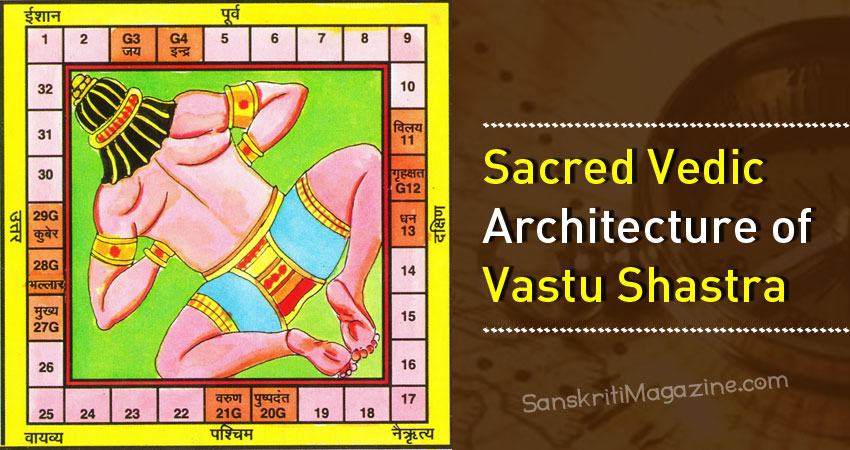
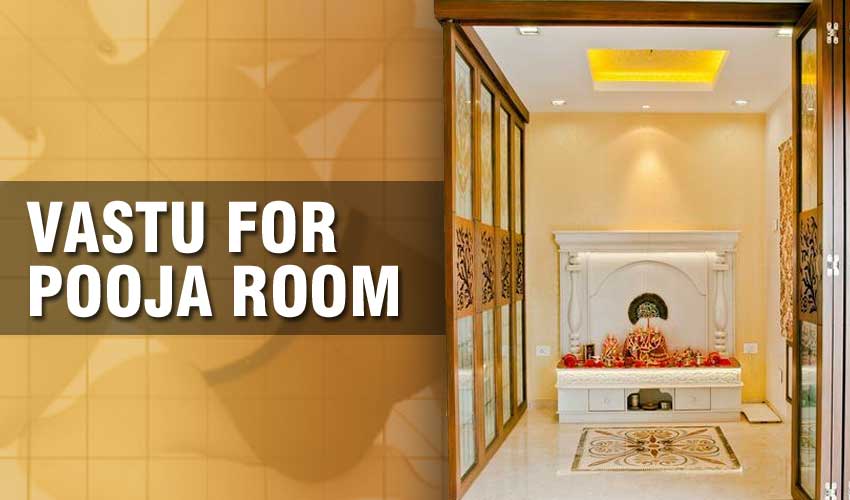
One of the most important and sacred corner in any home is a zone of tranquility, the prayer or meditation area; usually known as ‘Pooja Ghar’. Although placement of a Puja Ghar itself brings positive energies in a home, but designing this sacred place as per Vastu guidance enhances positivity in the environment all around. According to Vastu Shastra, the North East zone or the Eeshan (Ishan) corner of a house is the best suited area for placing the Puja room.
It is believed that when Vastu Purush was brought down to the earth, his head laid in the north-east direction. So, while worshipping in this direction along with coming closer to the deity, we also pay obeisance to him. The direction also receives the purifying rays of the rising sun, which purifies the environment and brings positivity and prosperity into our homes.
Follow the below mentioned attributes in order to get an ideal Puja room:
- Never locate the Puja room in the south and the south-east, as these directions are ruled by Yama and Agni, respectively.
- Never locate the Puja space in the bedroom, as this place is for rest and pleasure. However if there is no choice, locate it in the north-east corner of the room. Take care that your feet do not point towards this corner while lying on the bed.
- Avoid locating the toilet above, below or opposite to this room to prevent the negative energies of the toilet from spoiling the auspicious atmosphere of the Puja room.
- This room should also not be constructed next to the kitchen or located under a staircase. In case you do make the Puja space in the kitchen, keep the deity in such a way that you face east while praying.
- In very big plots, factories or apartments, the prayer room can be located in the centre or the Brahmasthana, the sector governed by Lord Brahma, the Creator.
- Make the roof of the Puja room dome or pyramid-shaped. This facilitates smooth flow of positive energies from the tip to the dome or pyramid into the puja room. This shape also assists in meditation.
- Use tranquil colours on the walls of the Puja room like white, soft shades of yellow, blue or violet. These colours do not distract while praying.
- Ideally, the doors and windows of this room should open towards the east or north. These should be made of good quality wood and have double shutters.
- Although north-east is generally the direction recommended for locating the idols or pictures of various Gods; yet different deities have different auspicious locations as described:
- Brahma, Vishnu, Mahesh, Kartikeya, Indra and Surya are placed in the east and facing towards west.
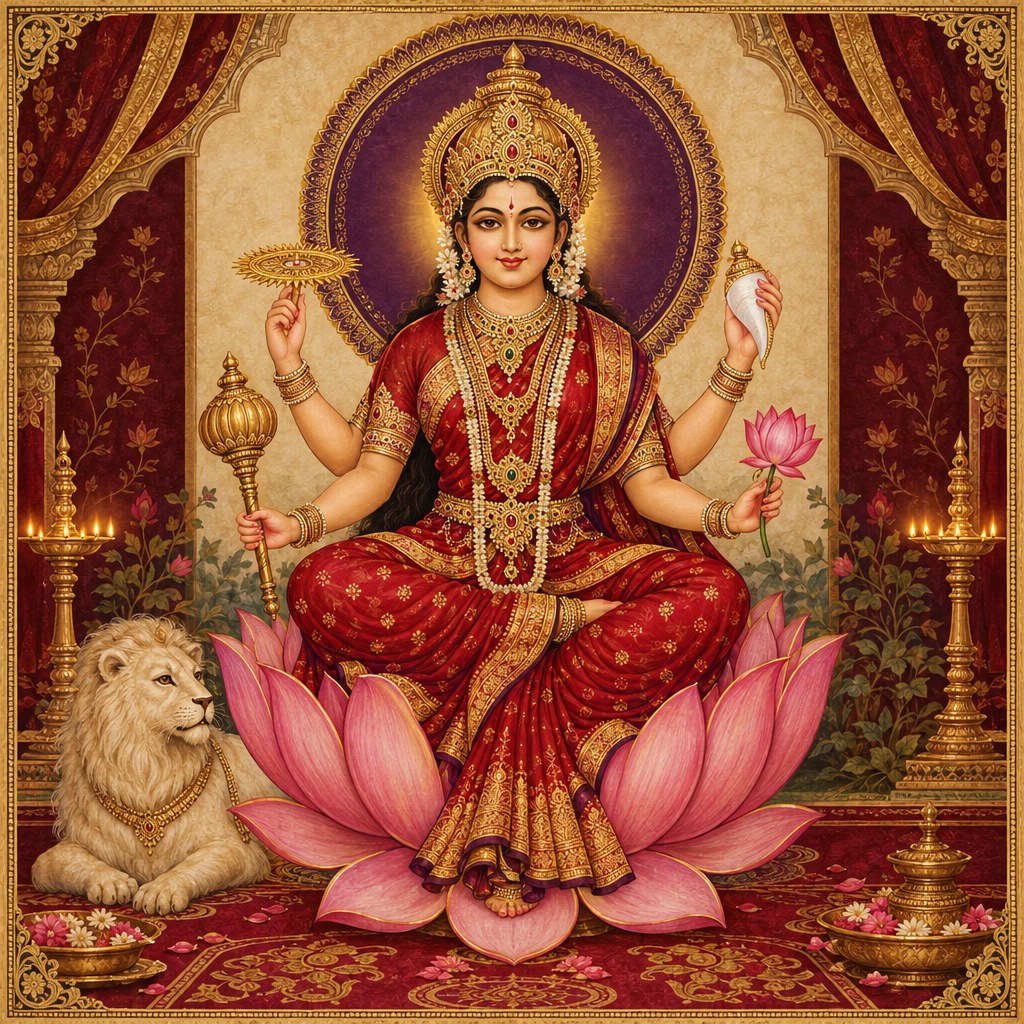
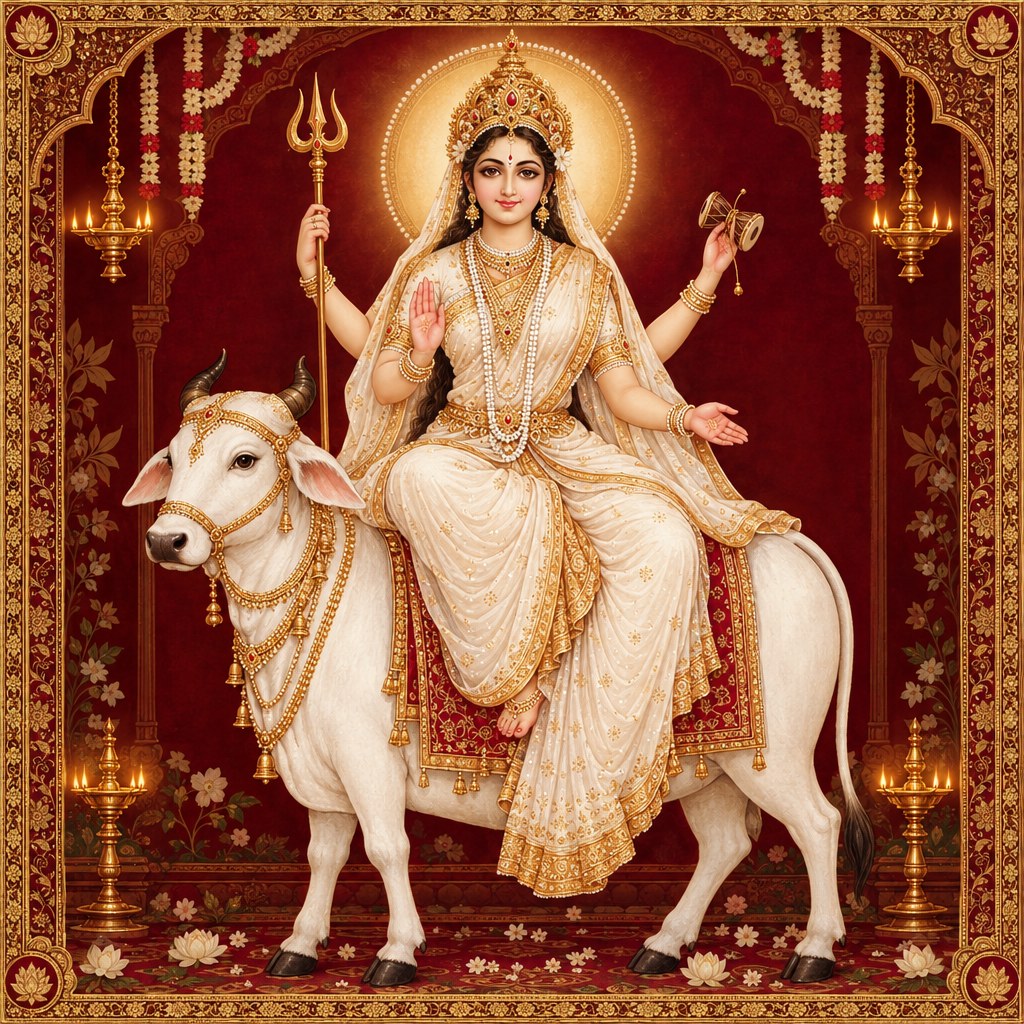
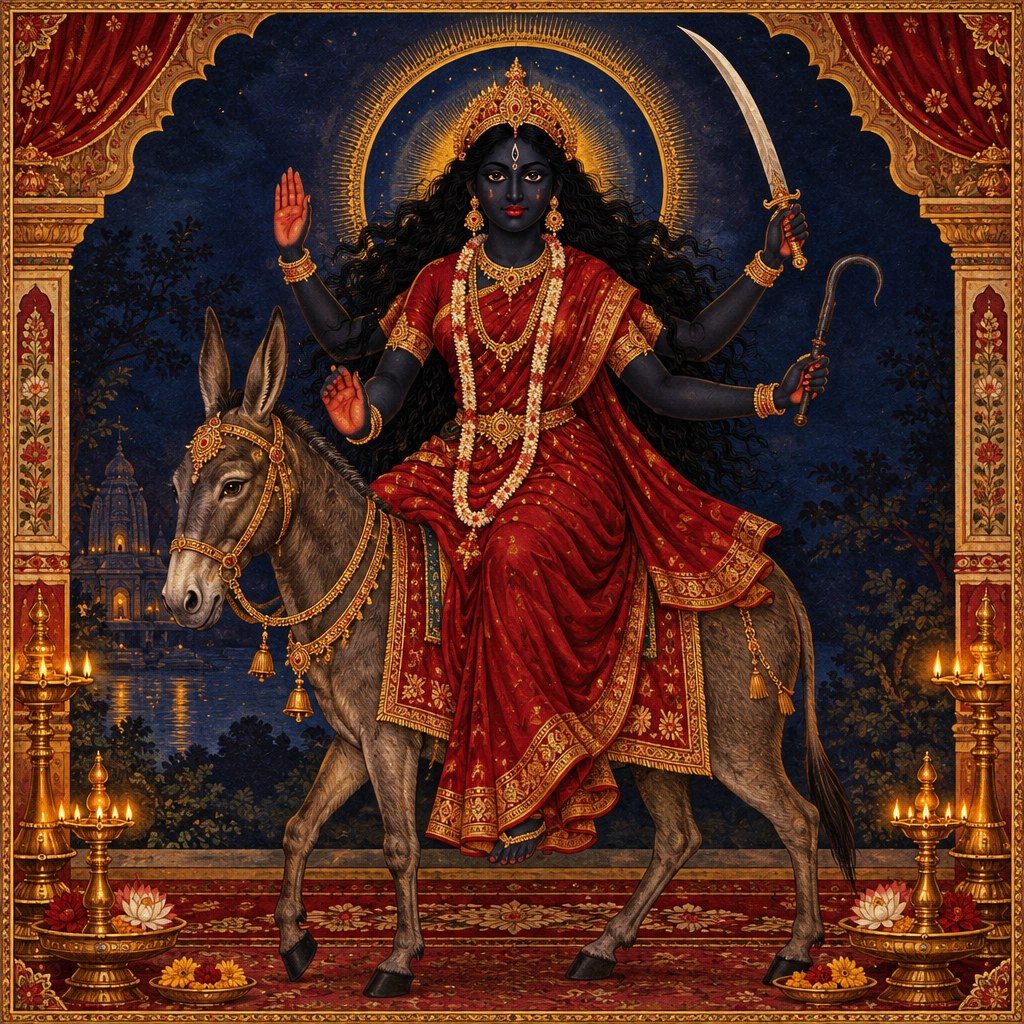
- Ganesh, Durga, Kuber, Shodas Matrika and Bhairav in the north direction and facing south.
- Hanuman in the north-east facing south-west, but never in the south-east as it creates fire hazard.
- Never keep idols brought from ancient temples in the puja room. Also avoid Shrichakra and Shaligram idols, unless you have tremendous spiritual control and are capable of performing puja in a traditional manner.
- Never display photographs of the dead family members along with the deities.
- The height of idols should not be more than 18 inches and should always be placed on a high platform or singhasan.
- Keep the holy books or dharmic granths and other items of samagri and dresses of the deities along the west and south wall.
- The lamp or deepak should be placed in the south-east direction, governed by Agni.
- The Puja room should not be used for other purposes, like storing items that do not belong here. It should also not be used for sleeping purposes or to conceal money and other valuables.
- Never keep a dustbin in the Puja room, as the positive energy gets diminished due to the negative energies emitted by it.
- If you ensure the above mentioned points, you would not only add to the serenity of the room, but would also find yourself spiritually uplifted with increased powers of meditation.
- Dr. Prem Kumar Sharma, resident astrologer of Hindustan Times and Vastu consultant, has authored many books including ‘A Comprehensive Book on Vastu’ and ‘Cultivate Your Relationship the Vastu Way’.
~ By Astrologer Dr. Prem Kumar Sharma