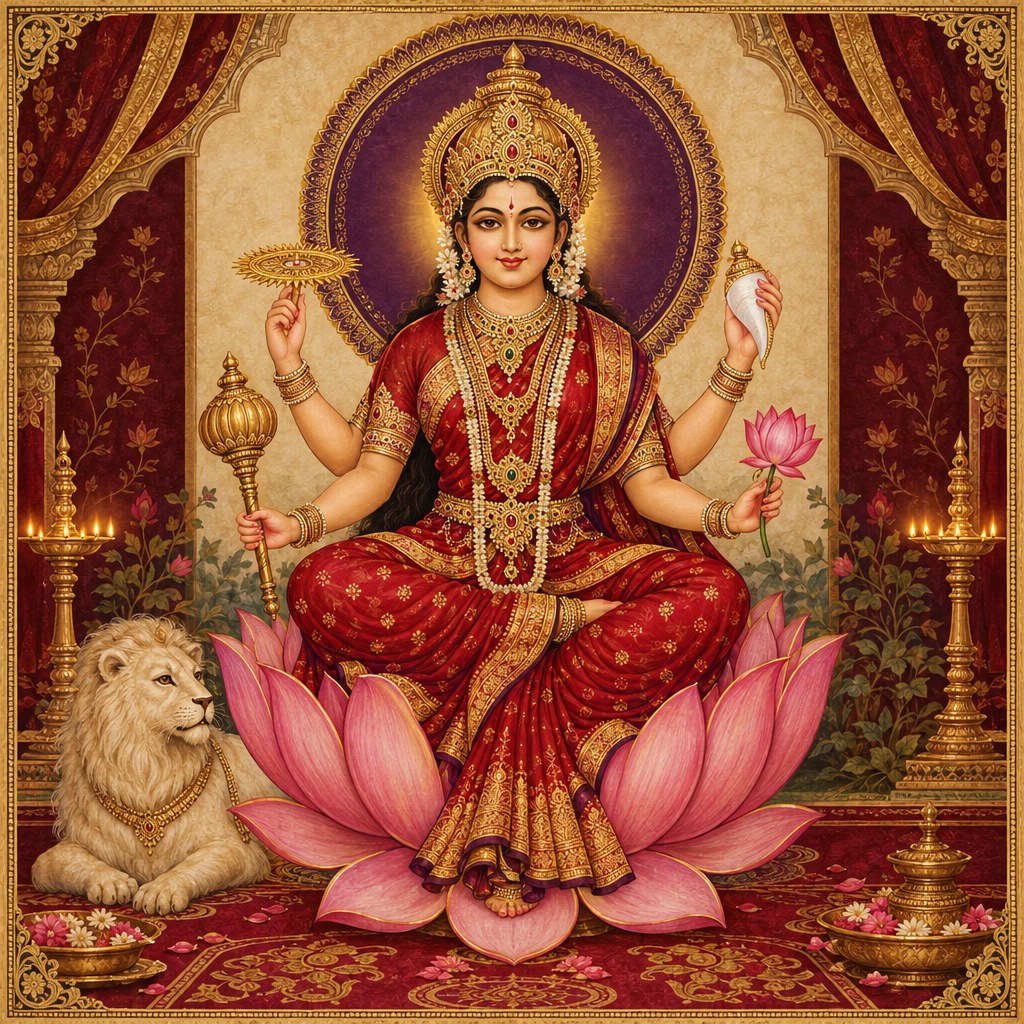
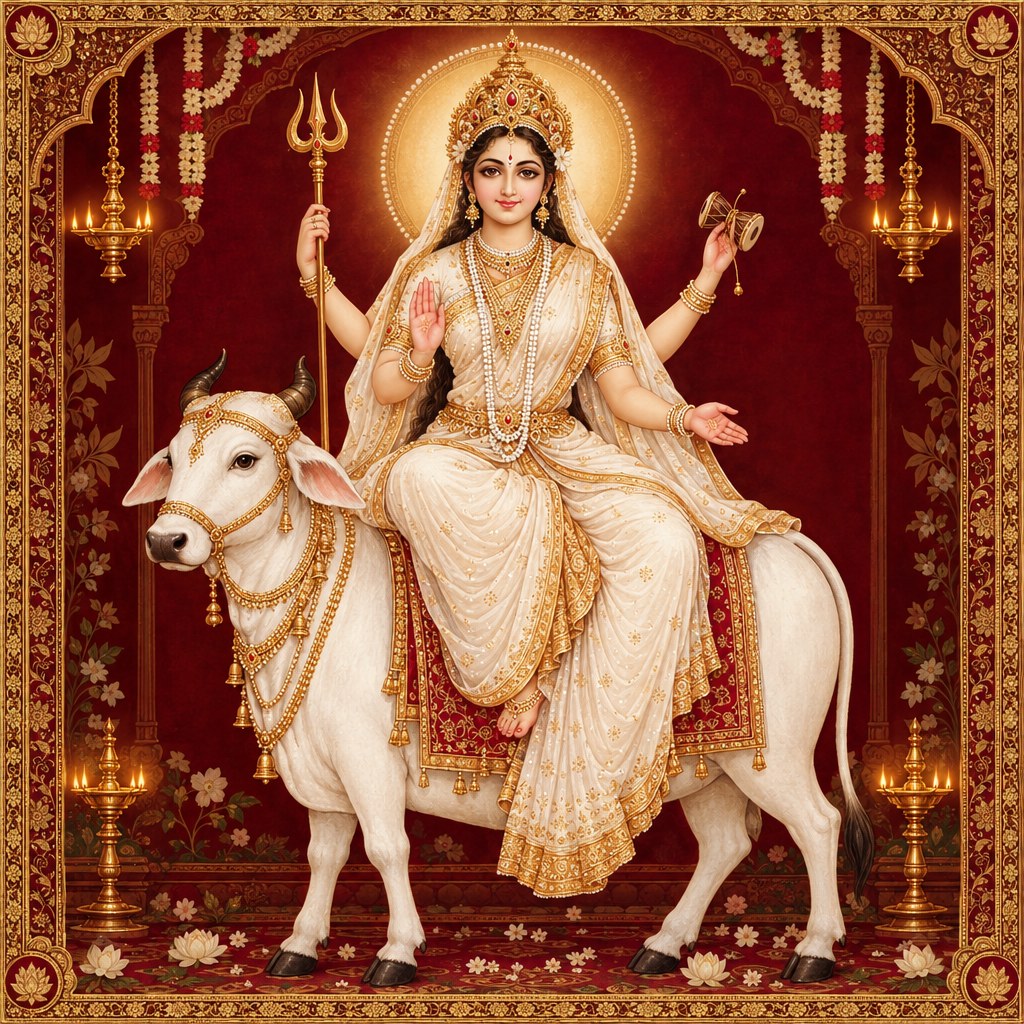
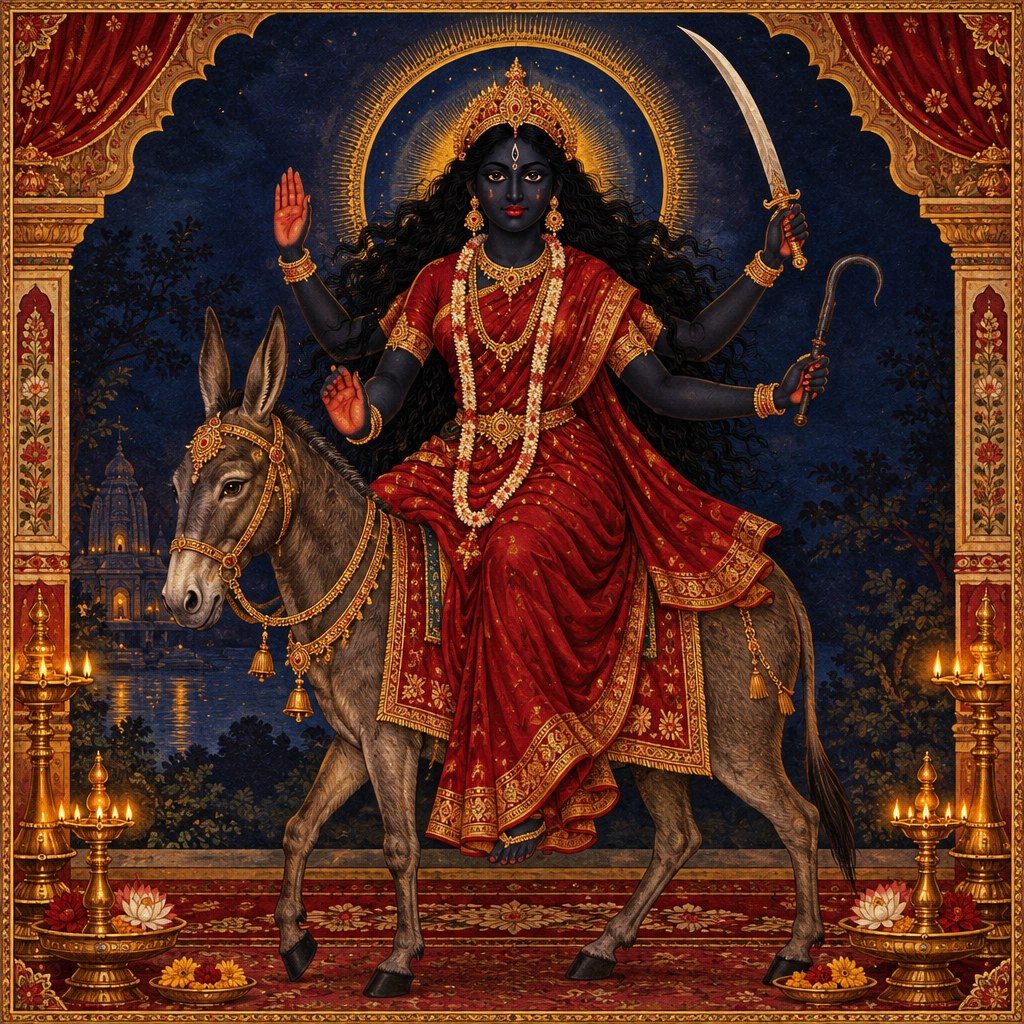
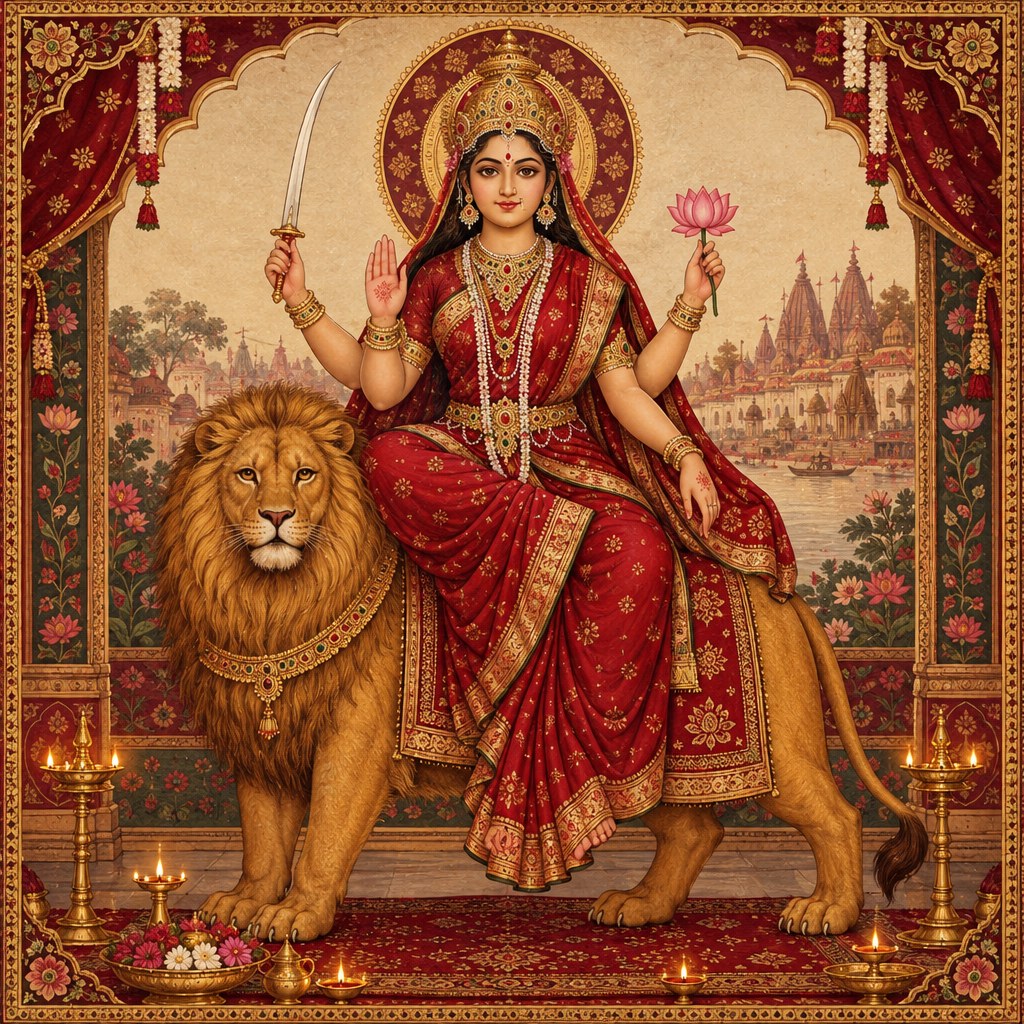
Vaikuntha Ekadashi 2025 — The Gateway to the Eternal Abode
Observed on Sunday, December 21, 2025 | Margashirsha / Dhanurmasa Shukla Ekadashi
Among the twenty-four Ekadashis observed in a year, one stands supreme — Vaikuntha Ekadashi, also known as Moksha Ekadashi and Mukkoti Ekadashi. The Padma Purana declares that on this single day, the gates of Vaikuntha — the eternal abode of Bhagavan Vishnu — are thrown open, and any devotee who observes the vrat with sincerity is granted passage through them. It is said that the merit of observing Vaikuntha Ekadashi equals the combined merit of observing all other Ekadashis in the year.
Vaikuntha Ekadashi 2025 falls on Sunday, December 21 — in the sacred month of Margashirsha (Dhanurmasa), the month that Bhagavan Krishna claims as His own in the Bhagavad Gita.
The Sacred Story — The Origin of Vaikuntha Ekadashi
The Padma Purana narrates that long ago, the asura Muran — a fearsome demon of immense power — waged war against the Devas and even threatened the domain of Bhagavan Vishnu Himself. Bhagavan Vishnu fought a prolonged battle with Muran, and during a pause in the combat, He withdrew to rest in a cave called Himavati.
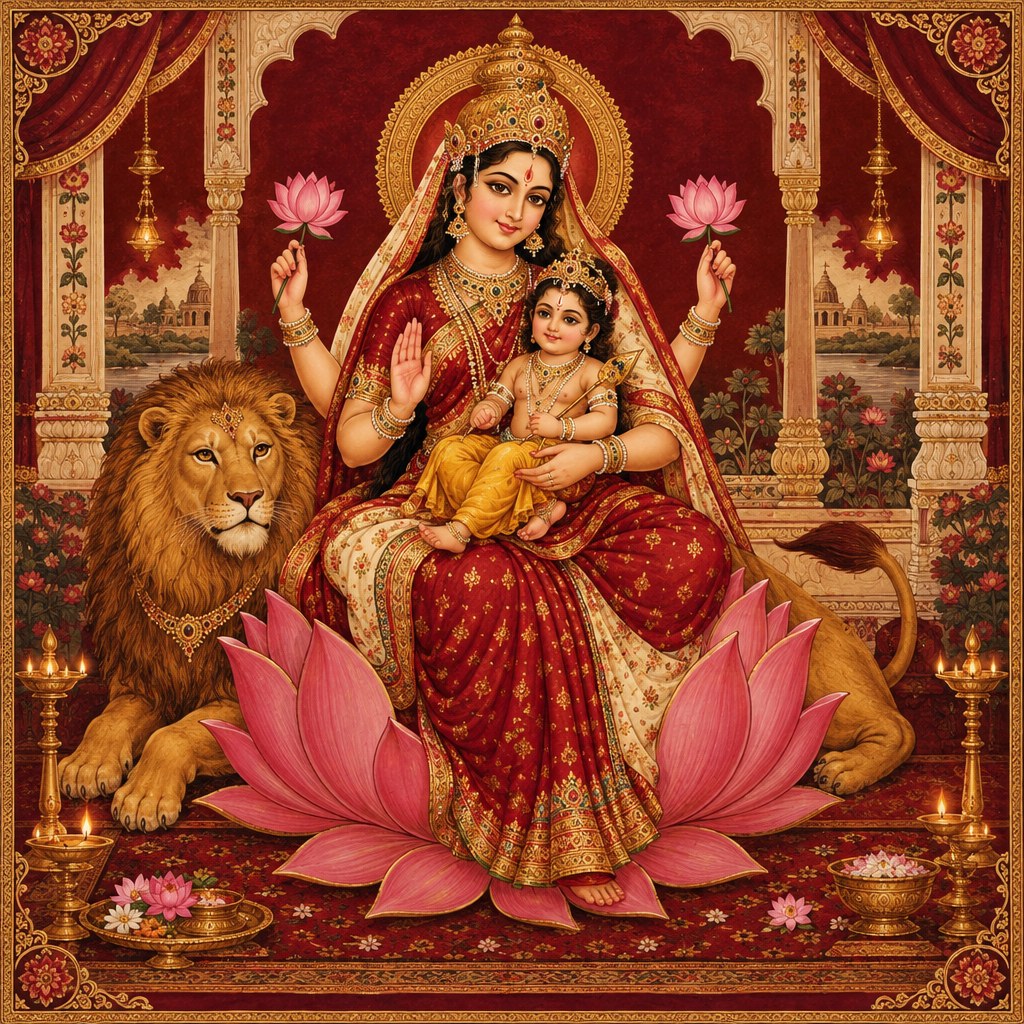
Muran pursued the Lord into the cave, intent on striking Him in His sleep. But from the very body of Bhagavan Vishnu, a radiant feminine Shakti emerged — a divine maiden of extraordinary power and beauty. She engaged Muran in battle and reduced him to ashes with a single glance. When Bhagavan Vishnu awoke and saw what had transpired, He was pleased and named this Shakti “Ekadashi” — for she had appeared on the eleventh tithi. He declared that whoever observes a vrat on this tithi would receive the highest merit, and that on this particular Ekadashi of Margashirsha, the very gates of Vaikuntha would open for the devotee.
The Vaikuntha Dwaram — The Gate That Opens Once a Year
At the great Vishnu temples of South India — most famously the Srirangam Ranganathaswamy Temple in Tamil Nadu — Vaikuntha Ekadashi is observed with a spectacular ritual called the Vaikuntha Dwaram. A special northern gate in the temple, which remains closed throughout the year, is opened on this one day. Thousands of devotees queue for hours — sometimes through the entire night — to walk through this gate, believing that passing through it is equivalent to passing through the gates of Vaikuntha itself.
The Vaikuntha Dwaram at Srirangam draws millions of devotees and is one of the largest single-day religious gatherings in South India. Similar observances take place at the Tirumala Venkateswara Temple, the Bhadrachalam Temple, and major Vishnu temples across the Deccan.
How to Observe Vaikuntha Ekadashi
The traditional observance of Vaikuntha Ekadashi is among the most rigorous of all Ekadashi vrats. Devotees observe a complete fast — ideally nirjala (without water), though many observe a phalahari vrat (fruits and milk only). The day begins with an early morning bath and Sankalpa. Devotees spend the day in japa, reciting the Vishnu Sahasranama, reading from the Bhagavata Purana or the Gita, and performing Vishnu Puja with Tulsi leaves, sandalwood paste, and yellow flowers. A night vigil (jagaran) is observed, with bhajans and recitation continuing through the night. The vrat is broken on Dwadashi morning after performing morning puja and offering food (especially Tulsi-mixed water) to Bhagavan Vishnu.
ॐ नमो भगवते वासुदेवाय
Om Namo Bhagavate Vasudevaya
“I bow to Bhagavan Vasudeva, the Supreme Lord who dwells in all.”
The Deeper Teaching — What Is Vaikuntha?
Vaikuntha literally means “that which is without obstruction” — the state of being where no suffering, no ignorance, and no limitation can touch the Atma. The Vishishtadvaita tradition of Ramanujacharya teaches that Vaikuntha is the ultimate destination of the Jiva — eternal service to Bhagavan Narayana in His transcendent abode, in a state of perpetual bliss.
But even for those who follow other Vedantic paths, Vaikuntha Ekadashi carries a profound message: the gate to liberation is not locked from the outside — it is locked from the inside, by our own ignorance, attachment, and ego. The vrat of Ekadashi — the discipline of fasting, prayer, and surrender — is the key that turns in that lock. And on Vaikuntha Ekadashi, the turning is said to be effortless, for the Lord Himself holds the door open.
May Bhagavan Vishnu open the gates of His grace for you and your family on this most sacred Ekadashi.
Om Namo Narayanaya 🙏
Sanskriti Magazine — Sharing Indian Heritage, Achievements, Practices and Values with the world.