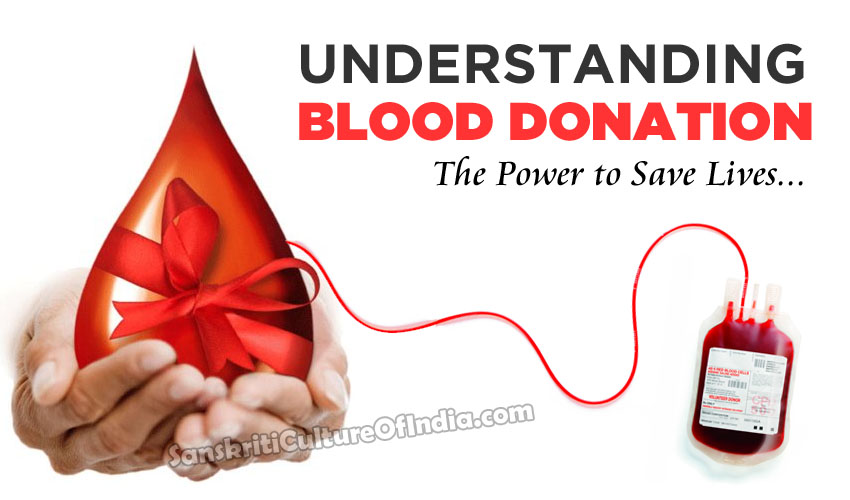
Blood is the red coloured fluid tissue that incessantly flows through the different parts of our circulatory system. An average human has 5- 6 litres of blood in the body and it comprises of one twelfth of our body weight.
Blood consists of a straw coloured, fluid matrix called plasma, 90% of which comprises of water. The cellular elements namely the Red Blood Cells (RBCs) White Blood Cells (WBC) remain suspended in the plasma. Other substances found in the plasma are glucose, proteins, fats, hormones and enzymes.
Importance of Blood
 The RBCs help to exchange oxygen between the lungs and the tissues. These red cells contain a red pigment called haemoglobin which acts as the carrier vehicle for oxygen. The amount of haemoglobin in a healthy male is 14-16 gms while in a female it is 12-14 gms. The WBC s are the main components of the immune system that guard the body. They also function as scavengers and cleanse the body of bacteria or any other microorganisms that enter the body.
Platelets are vital in the process of blood clotting brought about with the help of coagulation factors.
The bone marrow is the prime site of blood cell proliferation. Each day old cells die and are eliminated from the body and each day new blood cells are formed to replenish the stock of blood cells. The life span of RBC is 120 days while the WBC lives for a few days and the platelet for a few hours only.
Why Donate Blood ?
A blood donation truly is a “gift of life” that a healthy individual can give to others in their community who are sick or injured. In one hour’s time, a person can donate one unit of blood that can be separated into four individual components that could help save multiple lives.
A person with burn injuries may need only plasma transfusions while a person with anaemia may need RBC s alone and a person with clotting problems may need a transfusion with factor VIII or IX.
Plasma can be stored for a year at -80 degrees. Platelets on the other hand can be stored to up to 5 days at 22-24 degrees. Certain coagulation factors such as factor VIII and factor IX can be stored for later use. These are very handy in treating certain disorders, such as Haemophilia. Certain proteins such as albumin and globulin can also be stored.
This is because many patients do not require whole blood. For example, a patient whose haemoglobin is low and is therefore anaemic, may just require Packed Cells i.e. only red cells; a patient with burns may need more of plasma than cells; a patient with haemophilia may require only Factor VIII.
Health Benefits of Blood Donation
Reduces the Risk of Cancer:
According to study published in the Journal of the National Cancer Institute, iron is believed to increase the free-radical damage in the body and has been linked to an increased risk of cancer and aging. According to the Miller-Keystone Blood Center, consistent blood donation is associated with a lower risk of cancers, (including liver, lung, colon, stomach and throat cancers).
Improves Cardiovascular Health:
Studies have shown that an increased level of iron in the blood raises the chance of heart disease. Regular blood donation helps males in particular to reduce the amount of iron in the blood which can reduce the chance of heart attack by 88%. Also, regular blood donation can lower the risk of severe cardiovascular events like stroke by 33%.
Burns Calories:
Blood donation helps burn about 650 calories for every pint i.e. 450 ml of blood given.
Free Blood Analysis:
A blood donor receives a free prior health screening plus mini blood test. The HB level is tested, as well as blood pressure and body check is done. The donor is also screened for syphilis, HIV, hepatitis, and other diseases; and is immediately informed in strict confidentiality if any of these tests show positive results.
Side Effects of Blood Donation
The side effects of blood donation are potentially short-term and depend on the type of product being donated, the body’s tolerance to the procedure, overall health of the donor. Common side effects may include:
- Dizziness
- Tingling in the lips and nose
- Chills
These side effects can be minimized by:
- Drinking plenty of water prior to donation
- Having a well balanced meal before and after donating blood
- Getting plenty of sleep on the night before blood donation
Many people who donate blood do so to help others. It makes them feel good about themselves while also having an opportunity to “give back to the society”. Many have done so to repay for the times they or their families have needed blood transfusions in the past.
So, what’s stopping you from donating blood? Contribute TODAY and help save lives!
For more information on blood donation or to contribute, please visit: Blood Bank India