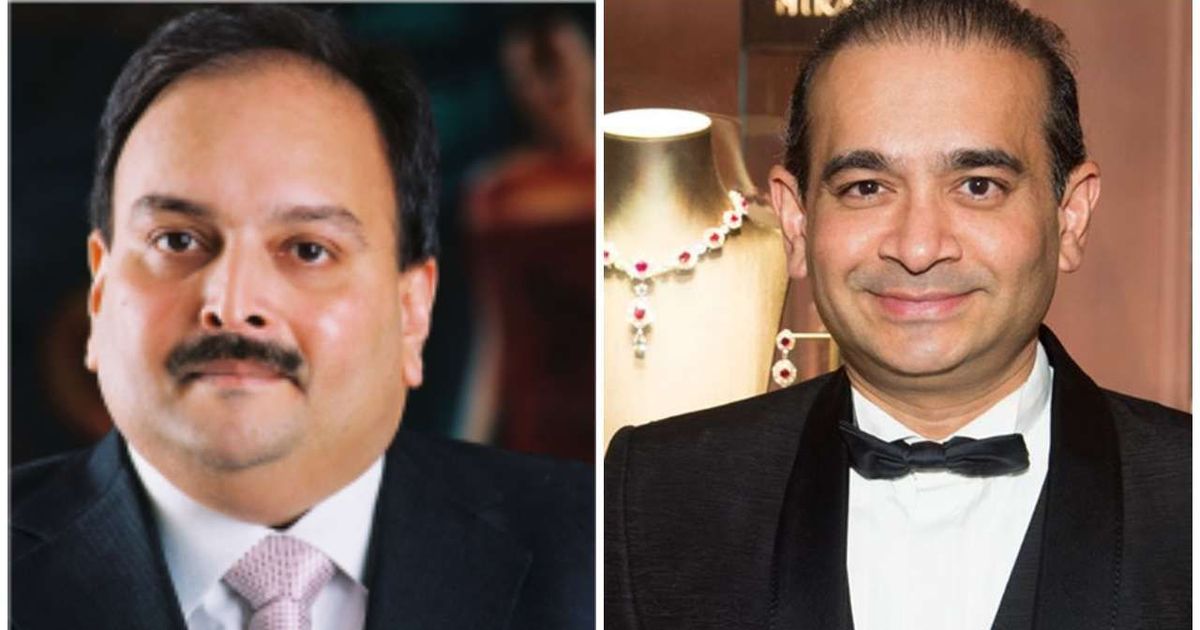
The two men -Jitesh Thakkar and Krishna Mohan – have been charged with criminal conspiracy and spoofing offences. Spoofing is an illegal trading practice that can be used to manipulate the commodities markets.
NEW YORK – Two Indian-Americans are among eight individuals charged with deceptive trading practices in commodity markets in the US.
Jitesh Thakkar, 41, of Naperville, Illinois, has been charged with criminal conspiracy and spoofing offences, along with seven others.
Spoofing is an illegal trading practice that can be used to manipulate the commodities markets.
Krishna Mohan, 33, of New York has been charged in a criminal complaint filed in the Southern District of Texas with commodities fraud.
Other than the individuals identified, only three others have ever been publicly charged with the crime of spoofing.
Of those identified, five were traders employed by global financial institutions, two were traders at large commodities trading firms, and one was the owner of a technology consulting firm, the Justice Department said.
The defendants and their co-conspirators are alleged to have defrauded market participants and manipulated these markets by placing hundreds, and in some cases, thousands of “spoof orders”,that is, orders they did not intend to trade, or to create the appearance of substantial false supply and demand and to induce other market participants to trade at prices, quantities, and at times that they otherwise would not have traded.
The charges announced on Monday aggressively target, among other things, the practice of spoofing, which was allegedly employed in various forms by these defendants and/or their co-conspirators to manipulate the market for futures contracts traded on the Chicago Mercantile Exchange (CME), the Chicago Board of Trade (CBOT), and the Commodity Exchange Inc. (COMEX).
According to the charging documents, the spoof orders often had the effect of artificially depressing or artificially inflating the prices of futures contracts traded on CME, CBOT and COMEX.
In order to take advantage of the artificial price levels created by their spoof orders, the defendants and/or their co-conspirators are said to have executed real, genuine orders to buy (at the artificially low prices) or to sell (at the artificially high prices) in order to generate trading profits or to illicitly mitigate other trading losses.
“Spoofing is a particularly pernicious example of bad actors seeking to manipulate the market through the abuse of technology,” said Director James McDonald of the US Commodity Futures Trading Commission’s (CFTC) Division of Enforcement.
According to the charge sheet, Thakkar allegedly developed a software programme that was used by Thakkar’s co- conspirator to engage in spoofing through the placement of thousands of orders on the CME when Thakkar was the founder and principal of Edge Financial Technologies Inc. (Edge), an information technology consulting firm located in Chicago.
Mohan is charged with commodities fraud and spoofing offences when he was employed as a programmer and trader at a proprietary trading firm in Chicago. According to the complaint, data analysis identified that Mohan engaged in a pattern of spoofing over a thousand times in a two-month period.