IndianSanskriti

The Indian Sculpture Park of Ireland

A journey is a gesture inscribed in space… …it vanishes even as it’s made.  You go from one place to another place, and on to somewhere else again… …and already behind you there is no trace that you were ever there.

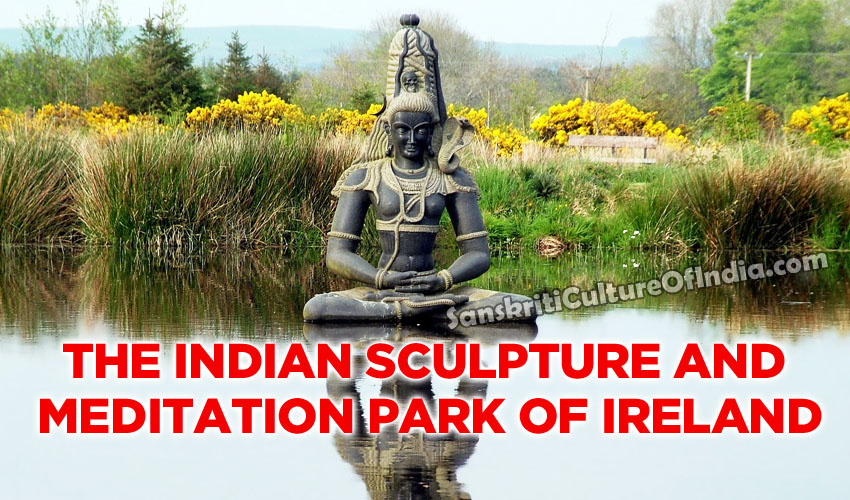
Victoria’s Way is Ireland’s only Indian Sculpture Park.

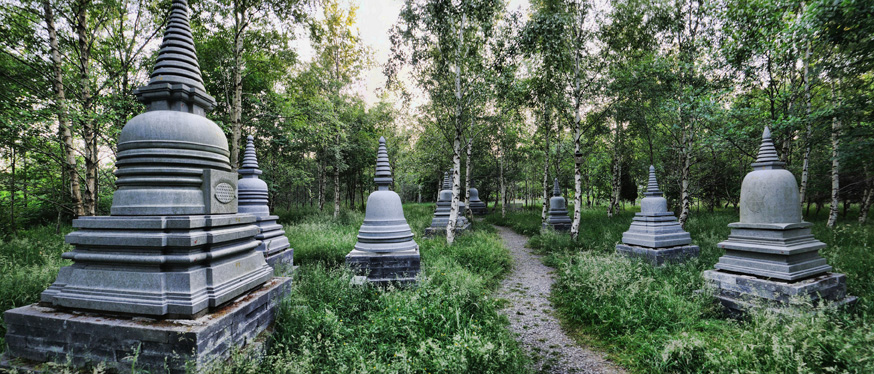
It is a park dedicated to eastern philosophy and art, an unusual and fascinating addition to the attractions of Roundwood County, Wicklow.

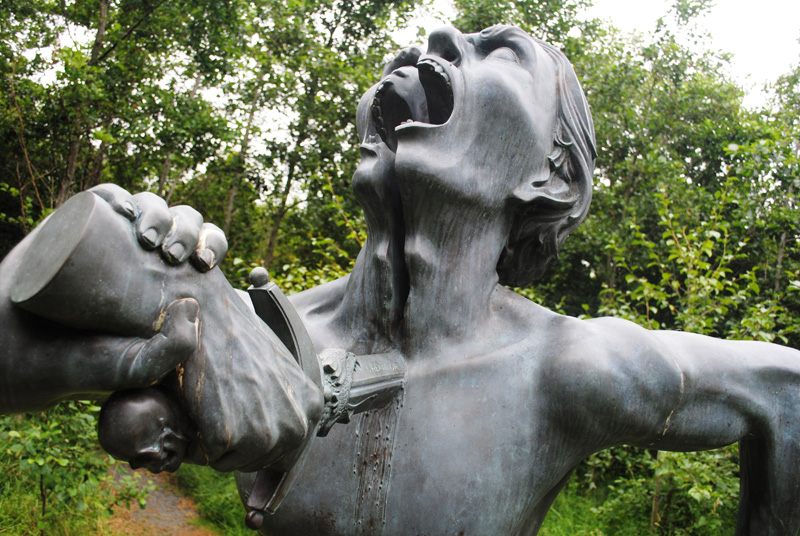
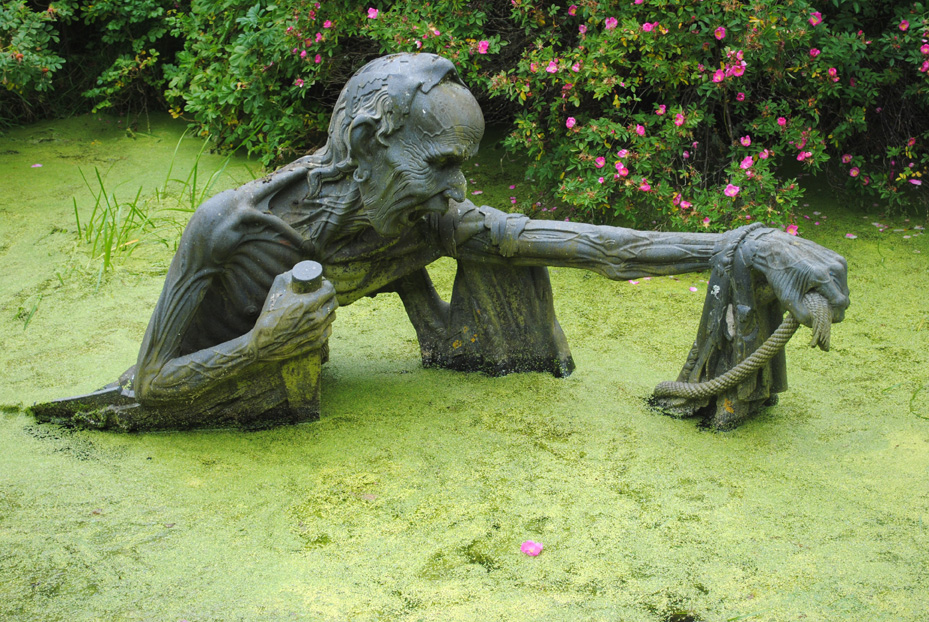
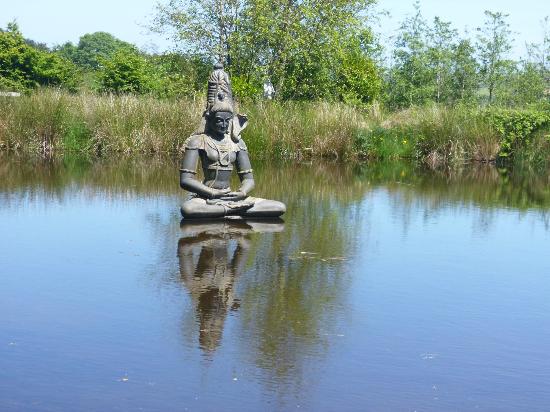
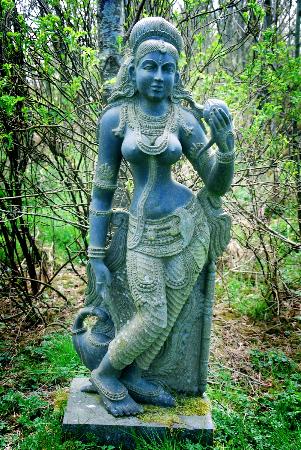
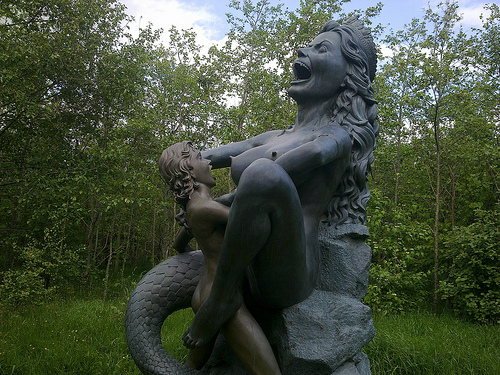
Set in 22 acres of serene, undulating greenery, the idea of the park was born to its creator, Victor Langheld, in 1989. In a dream, he saw a park filled with sculptures that appeared to symbolize man’s spiritual journey from a state of non-awakening to enlightenment. Victor was familiar with Hindu philosophy, having travelled widely in India. Armed with sketches of his dream images, he travelled to Mahabalipuram in southern India, famed for its sculpting traditions and commissioned three artisans to translate his vision into reality. The project was completed in twenty years.

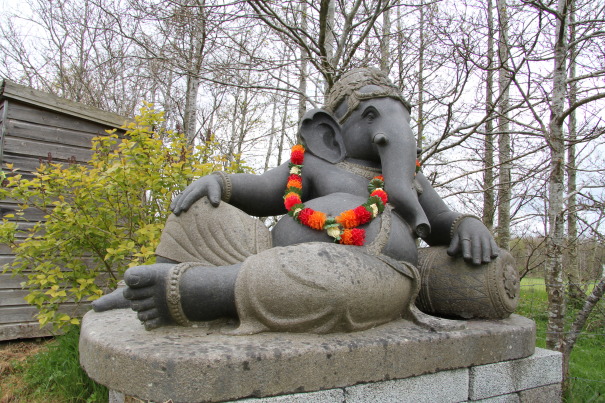
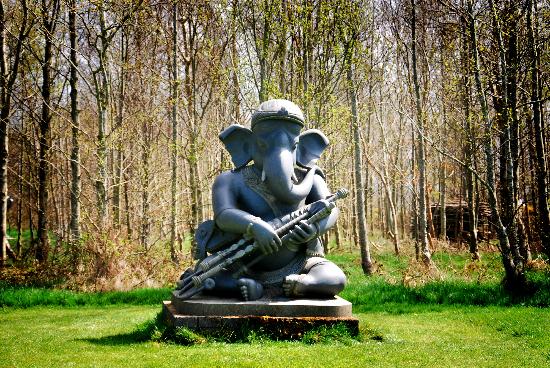
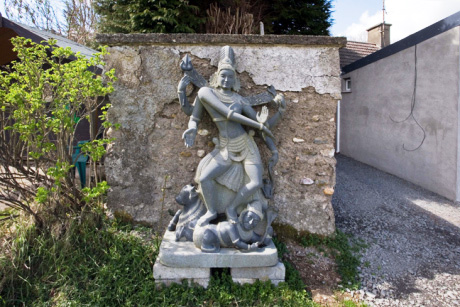
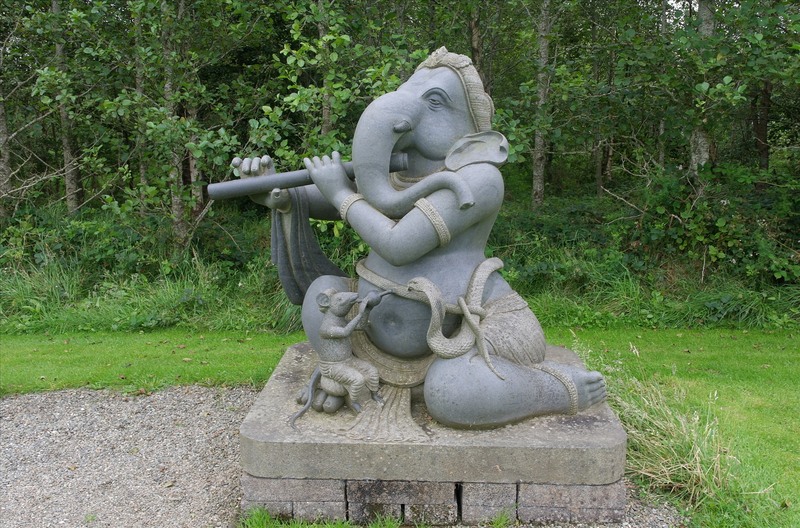
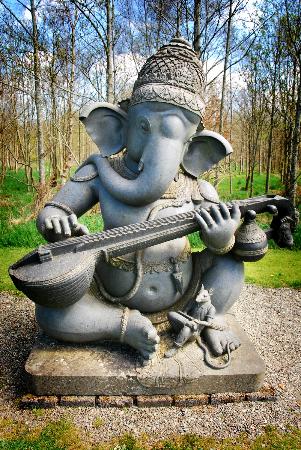
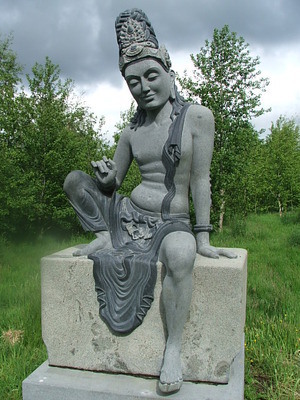
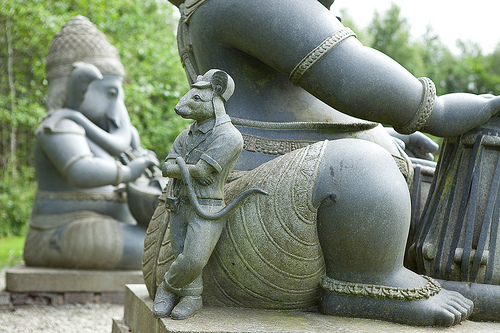
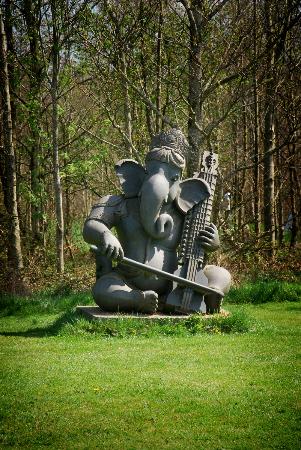
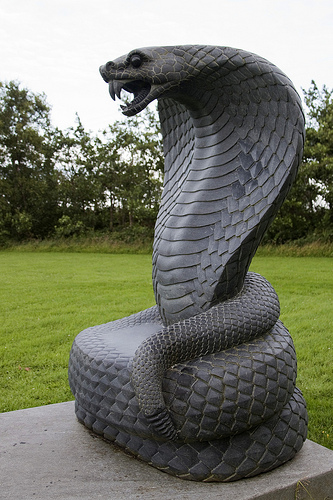
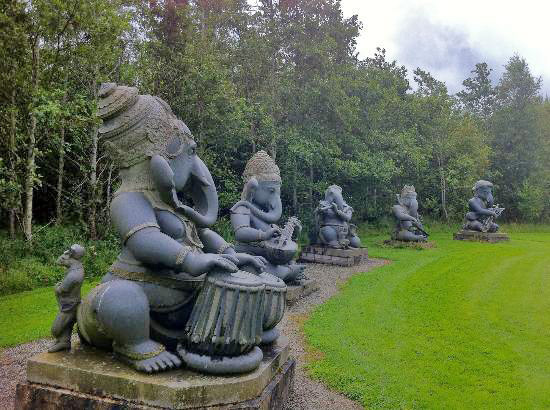
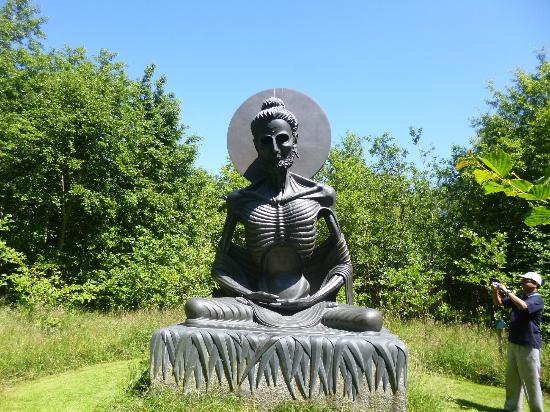
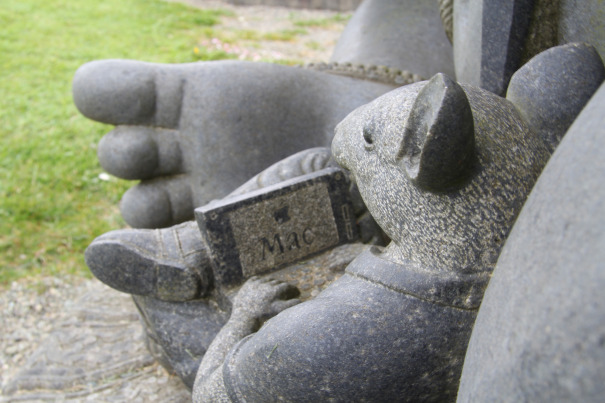
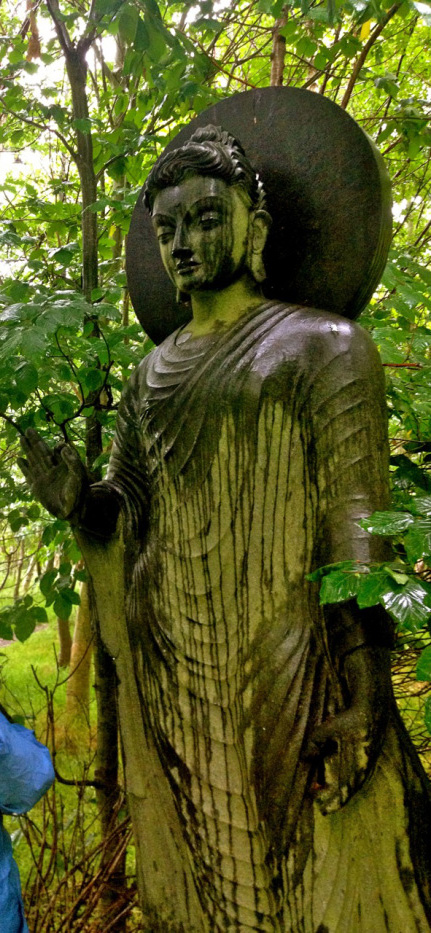
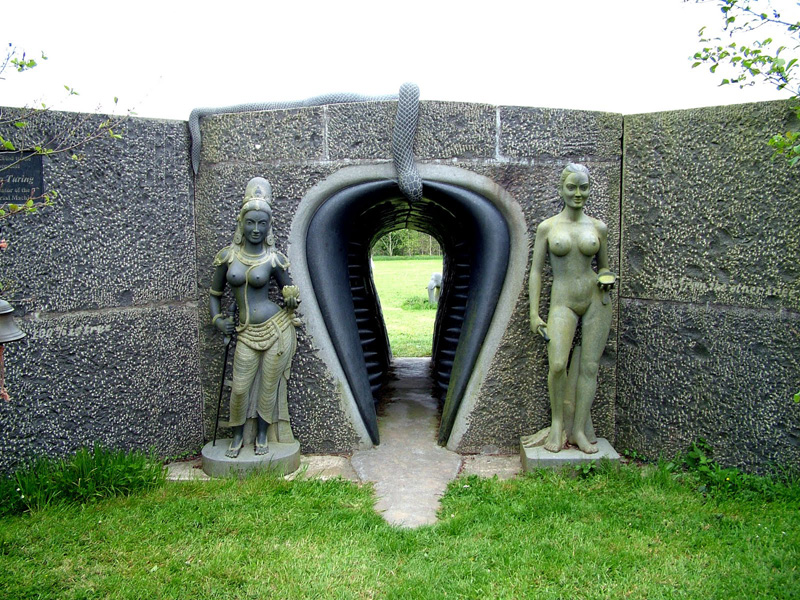
A visit to the park recreates an individual’s own life journey and seeks to enlighten you about the true goal of existence. To enter, the visitor passes through a Creation Gate, the birth canal represented as a 35 ton black granite gate, a symbolic return to the source of creation. Inside, you encounter nine, magnificent, black granite sculptures of Ganesha in various poses – dancing, playing musical instruments, reading or reclining.  He is the Remover of Obstacles who helps living beings through life’s many problems. Life’s journey itself is a ramble through an “enchanted forest” where the viewer come across seven startling sculptures, mostly drawn from Hindu and Buddhist philosophy; each sculpture represents a crossroad in various life stages and is imbued with spiritual insights.
You may also like

Search the website

Like us on Facebook

Get daily updates via Email

Enter your email address:

Recent Posts

Purushottam Maas — The Month No Deity Would Claim, and the Lord Who Made It Supreme

Every month of the Hindu calendar has a lord — except the rare thirteenth, the Adhika Maas, born an orphan and shunned as the “impure month.” The Puranas tell how this rejected month went in grief to Bhagavan Vishnu, who claimed it, gave it His own name — Purushottam — and made it the most fruitful month of all. The origin story, the teaching, and what it means for Purushottam Maas 2026 (May 17 – June 14).

Padmini Ekadashi 2026 — The Ekadashi Even the Devas Descend to Keep

Padmini Ekadashi 2026 — The Ekadashi Even the Devas Descend to Keep

The rarest Ekadashi of the entire Hindu calendar is three days away. The Padma Purana preserves a conversation between Bhagavan Krishna and Yudhishthira about a single Ekadashi the great Rishis spend lifetimes waiting for — Padmini. The Vrat Katha of Queen Padmini of Mahishmati, the lotus teaching, and why May 27, 2026 is the morning Vaishnavas across Bharata are preparing for.

Varada Chaturthi 2026 — The Rare Ganesha Day of Purushottam Maas

Varada Chaturthi 2026 — The Rare Ganesha Day of Purushottam Maas

Once every 2.5–3 years — when the rare 13th month of Adhika Maas opens — a thirteenth Vinayaka Chaturthi appears. The Mudgala Purana calls it Varada Chaturthi, the “boon-giving” Chaturthi, and holds it as the most fruit-bearing Ganesha day of the entire calendar. Today, Wednesday May 20, 2026, is that day.

Padmini Ekadashi 2026 — The Rare Ekadashi That Comes Only in Purushottam Maas

Padmini Ekadashi 2026 — The Rare Ekadashi That Comes Only in Purushottam Maas

Padmini Ekadashi 2026 falls on Wednesday, May 27 — the Shukla Paksha Ekadashi of Adhika Maas, the rarest Ekadashi in the entire Hindu calendar (it appears only every 2.5–3 years). The Padma Purana conversation between Bhagavan Krishna and Yudhishthira, the Vrat Katha of Queen Padmini, complete vrat vidhi with jagrana, mantras, and the lotus symbolism that gives the Ekadashi its name.

Ganga Dussehra 2026 — The Day Maa Ganga Came Down to Bhagiratha

Ganga Dussehra falls on Monday, May 25, 2026 — commemorating the day Maa Ganga descended from Vaikuntha to the earth through the millennia-long tapasya of King Bhagiratha. The full account from the Valmiki Ramayana, snan vidhi, dana traditions, mantras, and the teaching of sustained sincerity.

css.php