
Origins of Indian Science
‘Veda’ means knowledge. Since we call our earliest period Vedic, this is suggestive of the importance of knowledge and science, as a means of acquiring

‘Veda’ means knowledge. Since we call our earliest period Vedic, this is suggestive of the importance of knowledge and science, as a means of acquiring
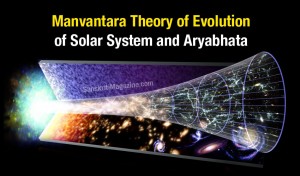
Manvantara Theory of Evolution of Solar System is the result of an etymological analysis of the Manvantara names, appearing in the Puranas which are among

Astra is a general term that refers to celestial weapons in Hinduism. The astras are transcendental, supernatural weapons created by the Lord, and presided over
Erwin Schrodinger, discoverer of wave mechanics was deeply influenced by the philosophical wisdom of the East. Schrodinger read widely and thought deeply the teachings of
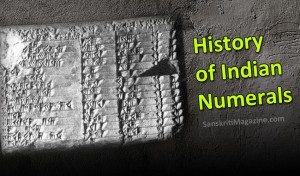
It is worth beginning this article with the same quote from Laplace which we give in the article Overview of Indian mathematics. Laplace wrote:- The

The exact knowledge of the body serves the purpose of maintaining its health, because it is only on the strength of the body that we can


Bhadrapada begins today in North India, opening a lunar month that moves from the midnight

The 12 Jyotirlingas of Lord Shiva — where each stands, its sacred story, and how to make the Dwadasha Jyotirlinga pilgrimage in person or in spirit this Shravan.

The Rudrabhishek is the abhishekam said to please Lord Shiva fastest. What it is, the meaning of each sacred substance, the Sri Rudram, and how it is performed at home this Shravan.

Shravan runs July 30–Aug 27 in 2026, with four Sawan Somwars (Aug 3, 10, 17, 24). Why the whole month belongs to Mahadeva — the churning of the ocean, the poison He drank, and how to keep the Sawan vrat.

Thiruvonam 2026 falls on Wednesday, August 26 — the crown of Kerala’s ten-day festival. The Bhagavata story of King Mahabali and the Vamana avatar, and why Onam is a homecoming, not a defeat.

