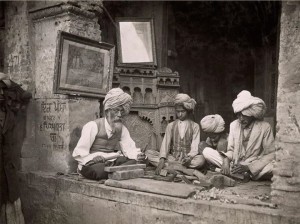
A RARE photograph taken in 1921 in Amritsar, India
Woodcarvers, India National Geographic photographer Maynard Owen Williams captured this image of woodcarvers in Amritsar while on assignment for a July 1921 story covering India.

Woodcarvers, India National Geographic photographer Maynard Owen Williams captured this image of woodcarvers in Amritsar while on assignment for a July 1921 story covering India.
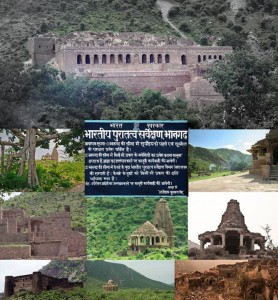
It has lain abandoned for the best part of 400 years and is said to be the most haunted place in India. Situated between the
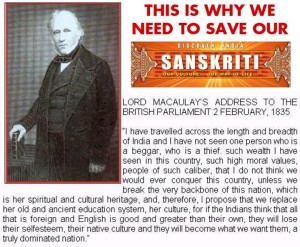
On Feb 2nd, 1835 Lord Maculay wrote a letter addressed to British Parliament. It is a must read to understand what India was and how

Holding the earlobes with arms crossed over your chests, bending the knees and then sit and then stand and so on till the time Masterji

The tradition of Varmala, a beautiful garland of flowers used in Indian weddings comes from the ancient times, denoting a proposal of marriage. In the

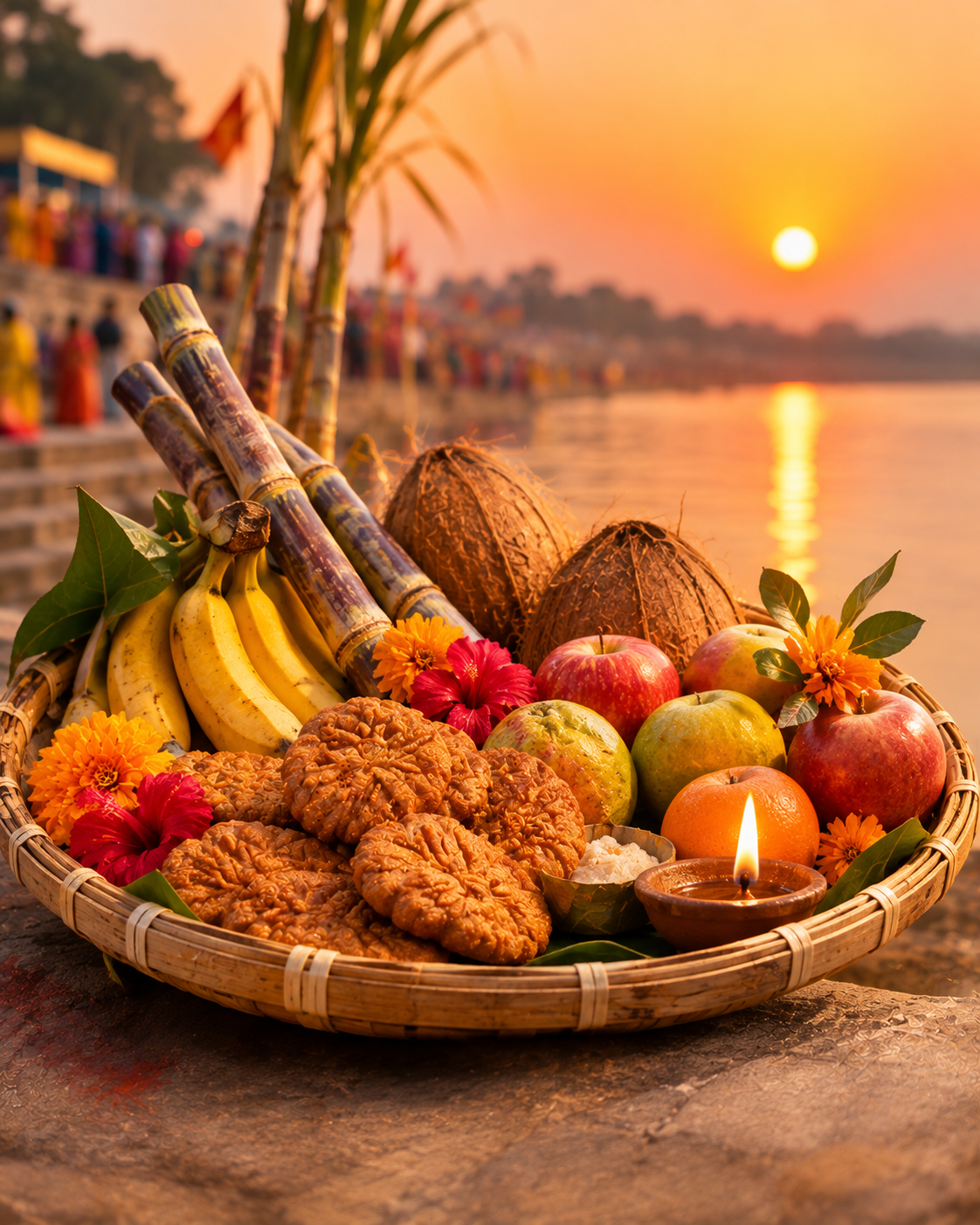
Explore Chhath Puja offerings including thekua, bamboo soop and daura, sugarcane, coconut, bananas and homemade prasad, with cultural context and 2026 dates.
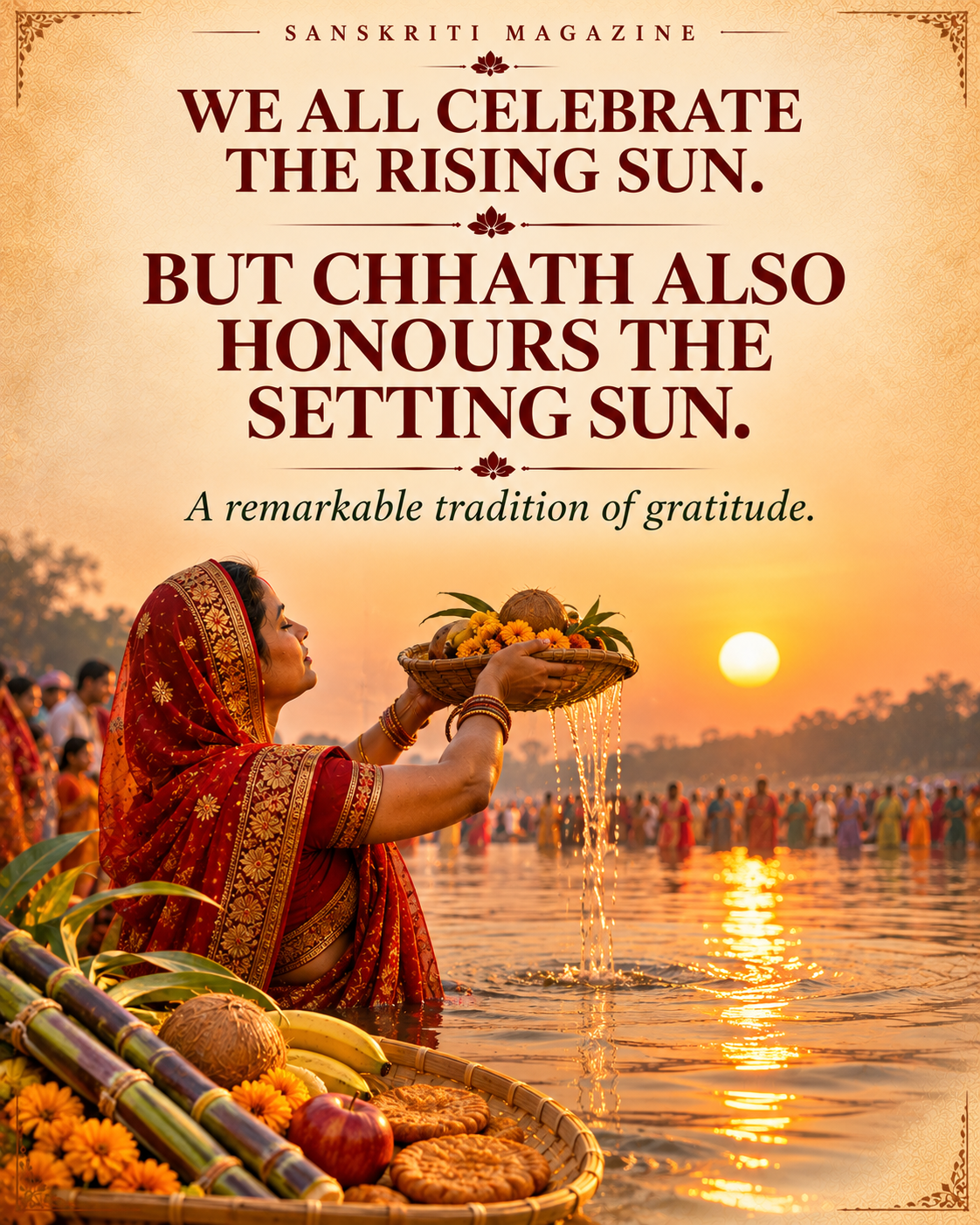
Why does Chhath Puja include both Sandhya Arghya and Usha Arghya? Explore its distinctive sunset-and-sunrise tradition, meanings and 2026 dates.
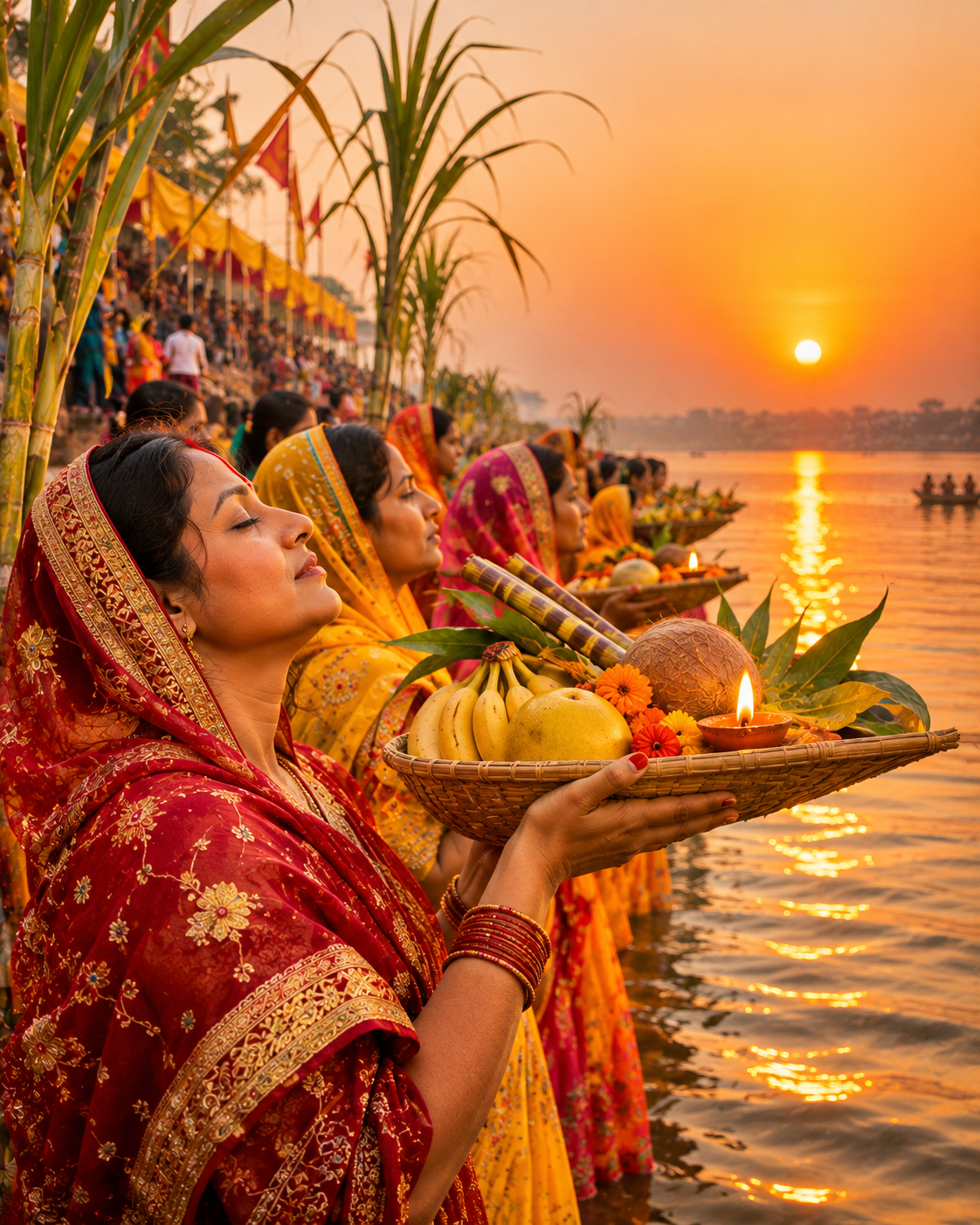
Chhath Puja 2026 runs from 13 to 16 November. Explore Nahay Khay, Kharna, Sandhya Arghya, Usha Arghya, Delhi timings, offerings and regional traditions.
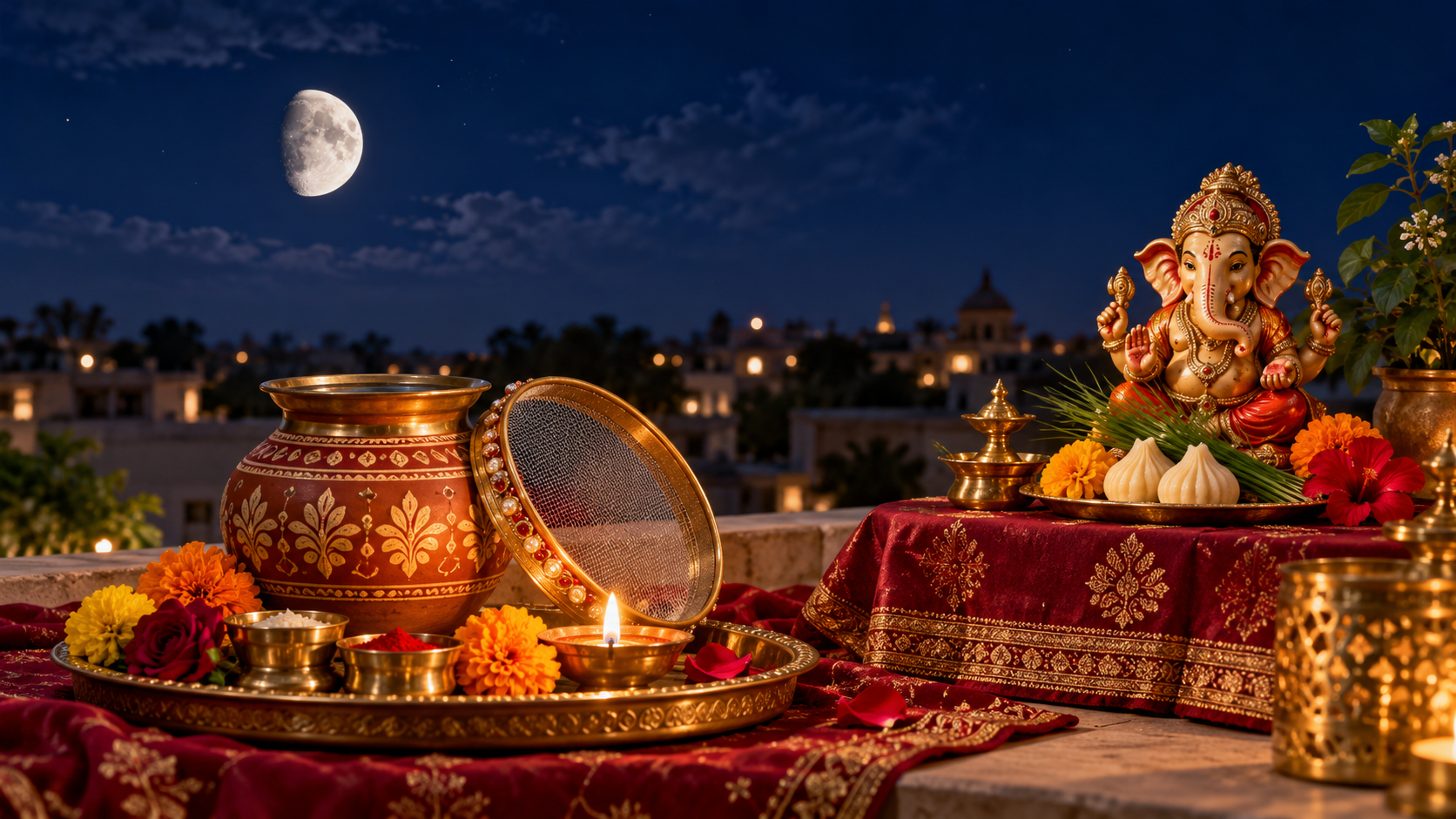
Why Karwa Chauth and Vakratunda Sankashti Chaturthi share 29 October 2026, with distinct rituals, regional customs and New Delhi moonrise timings.
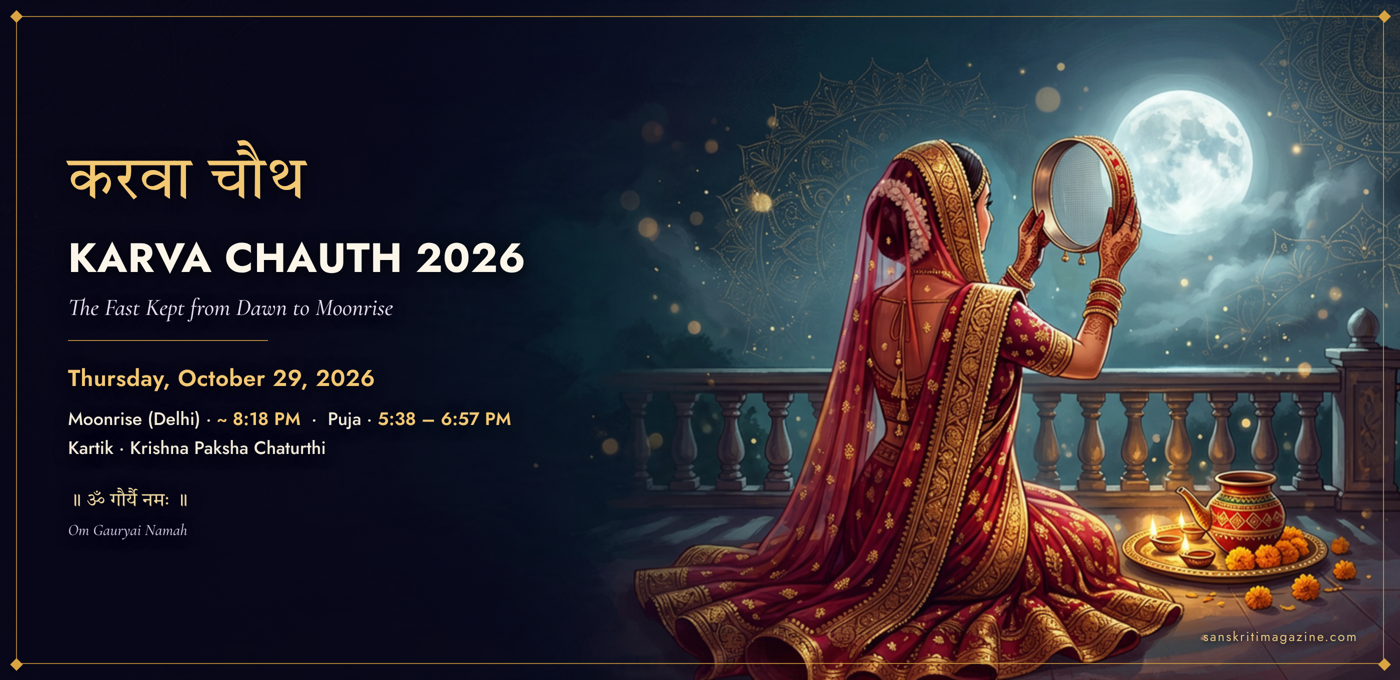
Karva Chauth 2026 is Thursday, Oct 29 — Delhi moonrise ~8:18 PM. Puja muhurat, the sargi-to-moon ritual, and the stories of Veervati, Karva and Draupadi.