
The Perfection of Human Life
The discourses that followed when Sri Chaitanya Mahaprabhu met Ramananda Raya, on the banks of River Godavari, in Vidyanagara, is one of the most confidential

The discourses that followed when Sri Chaitanya Mahaprabhu met Ramananda Raya, on the banks of River Godavari, in Vidyanagara, is one of the most confidential
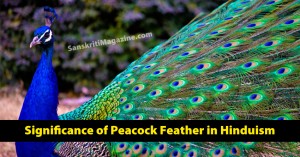
Peacock feathers, or mor pankh, are regarded as an auspicious symbol in Hinduism because of their association with the peacock, a beautiful bird which is also

In Sanskrit ‘Makara’ is a word that means ‘sea dragon’ or ‘aquatic-monster,’ long thought to be a mythical creature in Hindu and Buddhist traditions. Paintings

In the previous article I had given an introduction to what mantras are and how certain “aksharams” should only be combined in a particular way by

The answer is a resounding ‘yes’ from all sections of Hindus. Ask any Hindu youth and they will tell you how frustrated they are with

In a sharp departure from tradition, the Tirumala Tirupati Devasthanams has decided to train non-Brahmins in temple rituals and practices. About 200 people from dalit


Bhadrapada begins today in North India, opening a lunar month that moves from the midnight

The 12 Jyotirlingas of Lord Shiva — where each stands, its sacred story, and how to make the Dwadasha Jyotirlinga pilgrimage in person or in spirit this Shravan.

The Rudrabhishek is the abhishekam said to please Lord Shiva fastest. What it is, the meaning of each sacred substance, the Sri Rudram, and how it is performed at home this Shravan.

Shravan runs July 30–Aug 27 in 2026, with four Sawan Somwars (Aug 3, 10, 17, 24). Why the whole month belongs to Mahadeva — the churning of the ocean, the poison He drank, and how to keep the Sawan vrat.

Thiruvonam 2026 falls on Wednesday, August 26 — the crown of Kerala’s ten-day festival. The Bhagavata story of King Mahabali and the Vamana avatar, and why Onam is a homecoming, not a defeat.

