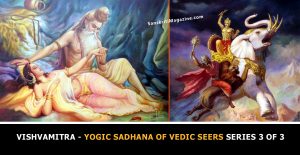
Vishvamitra – Yogic Sadhana of Vedic Seers Series 3 of 3
~ By Mukesh Bhatnagar (Exclusive for Sanskriti Magazine) As has already been indicated, if Vishvamitra’s yogic sadhana starts with meditation on Agni as the universal

~ By Mukesh Bhatnagar (Exclusive for Sanskriti Magazine) As has already been indicated, if Vishvamitra’s yogic sadhana starts with meditation on Agni as the universal

Squeezing of Soma as symbolic of Yogic sadhana ~ By Mukesh Bhatnagar (Exclusive for Sanskriti Magazine) In the Vedic sadhana, all sorts of crude experiences received

~ By Mukesh Bhatnagar (Exclusive for Sanskriti Magazine) A house of thousand doors cannot but be the state of emancipation. This interpretation has its plausibility

~ By Mukundan P.R. Gurucharanam Saranam The followers of Navajyoti Sri Karunakara Guru (1927-1999), the well known socio-spiritual reformer and founder guru of Santhigiri Ashram,

Can there be a secular Hindu? If we go by the meaning of ‘secular’ and ‘Hindu’, the answer will definitely be ‘no’. Yet this is
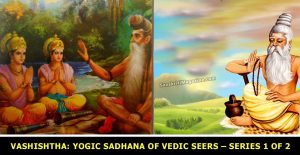
~ By Mukesh Bhatnagar (Exclusive for Sanskriti Magazine) Vashishtha is one of the most prominent seers of the Veda. He along with his progeny is


Bhadrapada begins today in North India, opening a lunar month that moves from the midnight

The 12 Jyotirlingas of Lord Shiva — where each stands, its sacred story, and how to make the Dwadasha Jyotirlinga pilgrimage in person or in spirit this Shravan.

The Rudrabhishek is the abhishekam said to please Lord Shiva fastest. What it is, the meaning of each sacred substance, the Sri Rudram, and how it is performed at home this Shravan.

Shravan runs July 30–Aug 27 in 2026, with four Sawan Somwars (Aug 3, 10, 17, 24). Why the whole month belongs to Mahadeva — the churning of the ocean, the poison He drank, and how to keep the Sawan vrat.

Thiruvonam 2026 falls on Wednesday, August 26 — the crown of Kerala’s ten-day festival. The Bhagavata story of King Mahabali and the Vamana avatar, and why Onam is a homecoming, not a defeat.

